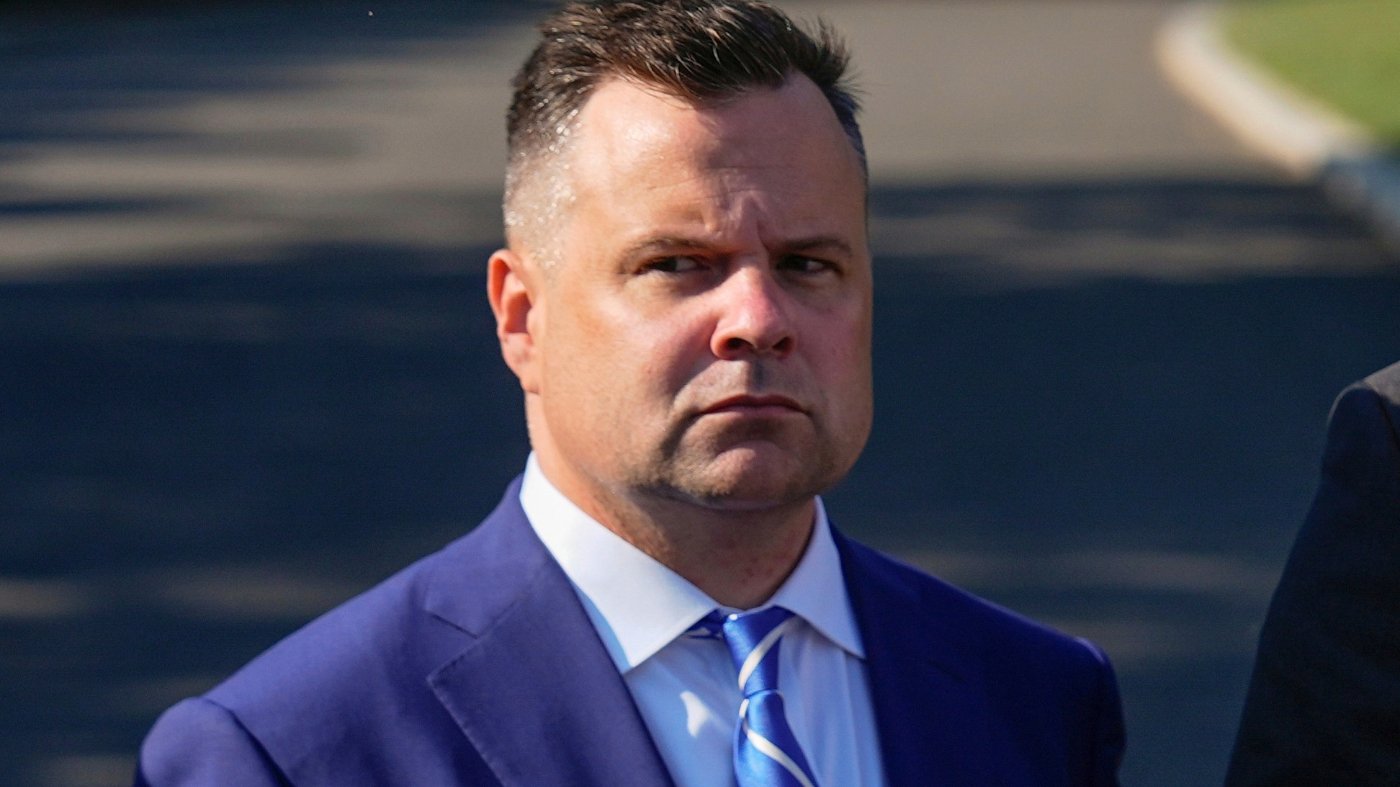
Section 702 of the Foreign Intelligence Surveillance Act, a powerful surveillance tool that has been repeatedly abused to spy on Americans, faces expiration this week without congressional action. The Senate failed to advance a reauthorization bill last Friday, and media reports suggest Democrats blocked it in response to President Trump's announcement that Bill Pulte will serve as acting director of National Intelligence when Tulsi Gabbard steps down.
Pulte's Role and Broader Reform Issues
While some Democrats opposed the bill to pressure Trump over Pulte—citing his role in bringing dubious mortgage fraud charges against Trump's political enemies—Section 702 was already in jeopardy before that announcement. Republican leaders have refused to allow votes on basic reforms that enjoy broad bipartisan support. Pulte's slated appointment underscores why these reforms are critical, as the surveillance law is on life support without them.

Section 702 authorizes warrantless surveillance of foreigners abroad but inevitably captures Americans' communications when they interact with foreign targets. The government is barred from searching this data for Americans' communications—known as "backdoor searches"—unless it's likely to reveal foreign intelligence. Yet widespread violations have occurred, with FBI agents searching the private communications of members of Congress, journalists, over 19,000 campaign donors, and tens of thousands of protesters.
Bipartisan Support for Warrants
For over a decade, a simple reform—requiring a warrant before accessing Americans' Section 702 data—has passed the House twice and enjoys 76 percent public support. However, Republican leaders have blocked votes on reforms this year. Trump allies in Congress, along with surveillance hawk Sen. Mark Warner (D-Va.), drafted reauthorization legislation behind closed doors, excluding reform supporters and keeping the text secret until the last minute.
The resulting bills include provisions that appear to be reform but establish no limits on backdoor searches or a warrant requirement. Instead, they add layers of internal oversight like recordkeeping and auditing, which have consistently failed to prevent violations. This reliance on self-policing is particularly futile under an administration that has gutted the Privacy and Civil Liberties Oversight Board, silenced inspectors general, and eliminated the FBI compliance office created in 2020.
The potential for abuse extends beyond Pulte. Acting Attorney General Todd Blanche and FBI Director Kash Patel already have access to Section 702 data, and both have shown willingness to target Trump's perceived opponents. As one analyst noted, no government official should be trusted with warrantless access to Americans' private communications, given the program's long history of abuse.
Congressional Dynamics and Next Steps
House Speaker Mike Johnson (R-La.) has already failed twice to advance Section 702 renewal before the Pulte announcement, and seven Republicans joined Democrats to block the Senate bill. As Johnson heads to the White House to negotiate, the path forward remains unclear. Some lawmakers, like GOP Rep. Bacon, have urged Trump to drop the Pulte pick to save the surveillance law.
Congress has time to act: Section 702 operates under year-long certifications, and the surveillance court approved new ones in March, locking in surveillance until March 2027. Claims that companies might refuse cooperation are a red herring, as the court can compel compliance with fines of $250,000 per day. Ultimately, Thune signals the White House is nearing a permanent DNI pick to unlock a FISA extension, but without genuine reform, renewal remains an uphill battle.