A unanimous three-judge panel on the Second Circuit Court of Appeals has struck down the Trump administration's policy of detaining virtually all individuals subject to deportation, ruling that migrants must be afforded the opportunity to request bond while they fight their removal from the United States.
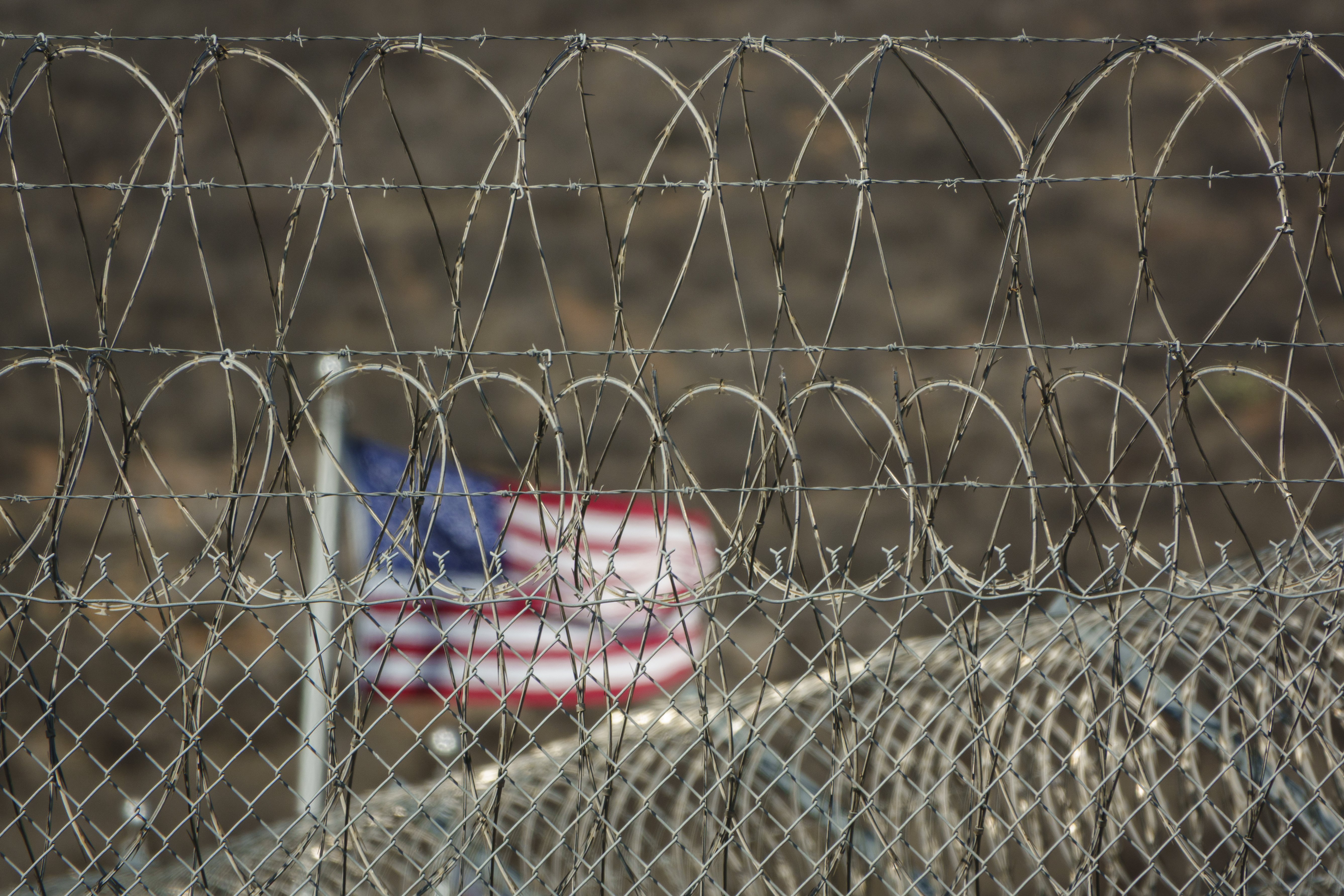
The ruling, issued Wednesday, marks a significant legal setback for the administration's hardline immigration enforcement agenda. Under President Trump, immigration detention numbers have surged to record highs, with the government holding people who have no criminal records and have lived in the country for years.
Judge Joseph Bianco, a Trump appointee, wrote for the panel that even if the administration's interpretation of immigration detention statutes were plausible—which he said it is not—the court would still have serious constitutional concerns. He described the policy as potentially representing “the broadest mass-detention-without-bond mandate in our Nation’s history for millions of noncitizens.”
The decision brings together a diverse panel: Judge Bianco, appointed by President Trump; Judge Rosemary Pooler, appointed by President Bill Clinton; and Judge Sarah A. L. Merriam, appointed by President Joe Biden. Their unanimous ruling creates a circuit split with decisions from the Fifth and Eighth Circuits, which have upheld similar detention policies, setting the stage for potential Supreme Court review.
Bianco emphasized that “over ninety percent of district court judges” have sided with migrants who filed habeas corpus petitions seeking release from detention. The ruling also pointed to a glaring inconsistency in immigration law: while statutes call for broad detention, Congress has consistently allocated funding for detention space for only a fraction of those who might be held during deportation proceedings.
“The government offers no explanation for why the same Congress that was so concerned with the detention of 100,000 people…would have turned a blind eye to the consequences of mandating detention” for a group that could include as many as 2 million individuals, Bianco wrote.
He further noted that it is “even harder to explain why the government, if tasked with detaining the huge number of noncitizens covered by Section 1225, would have neglected for almost thirty years to increase its detention capacity enough to actually implement that mandate.” That section of U.S. immigration law governs the detention of arriving aliens and those placed in expedited removal proceedings.
The ruling comes amid broader legal battles over the administration's immigration policies. In a related development, a judge recently allowed a political firing lawsuit against Trump to advance, and the Pentagon's practice of escorting journalists during press access disputes was upheld by an appeals court.
Critics of the administration's detention policy have long argued that it violates due process by denying bond hearings to individuals who pose no flight risk or danger. The Second Circuit's decision mandates that such hearings must now be provided, potentially affecting thousands of detainees across New York, Connecticut, and Vermont.
The Justice Department is expected to appeal the ruling, which could eventually land before the Supreme Court. For now, the decision represents a major check on executive power and a victory for immigrant rights advocates who have challenged the administration's mass detention approach.