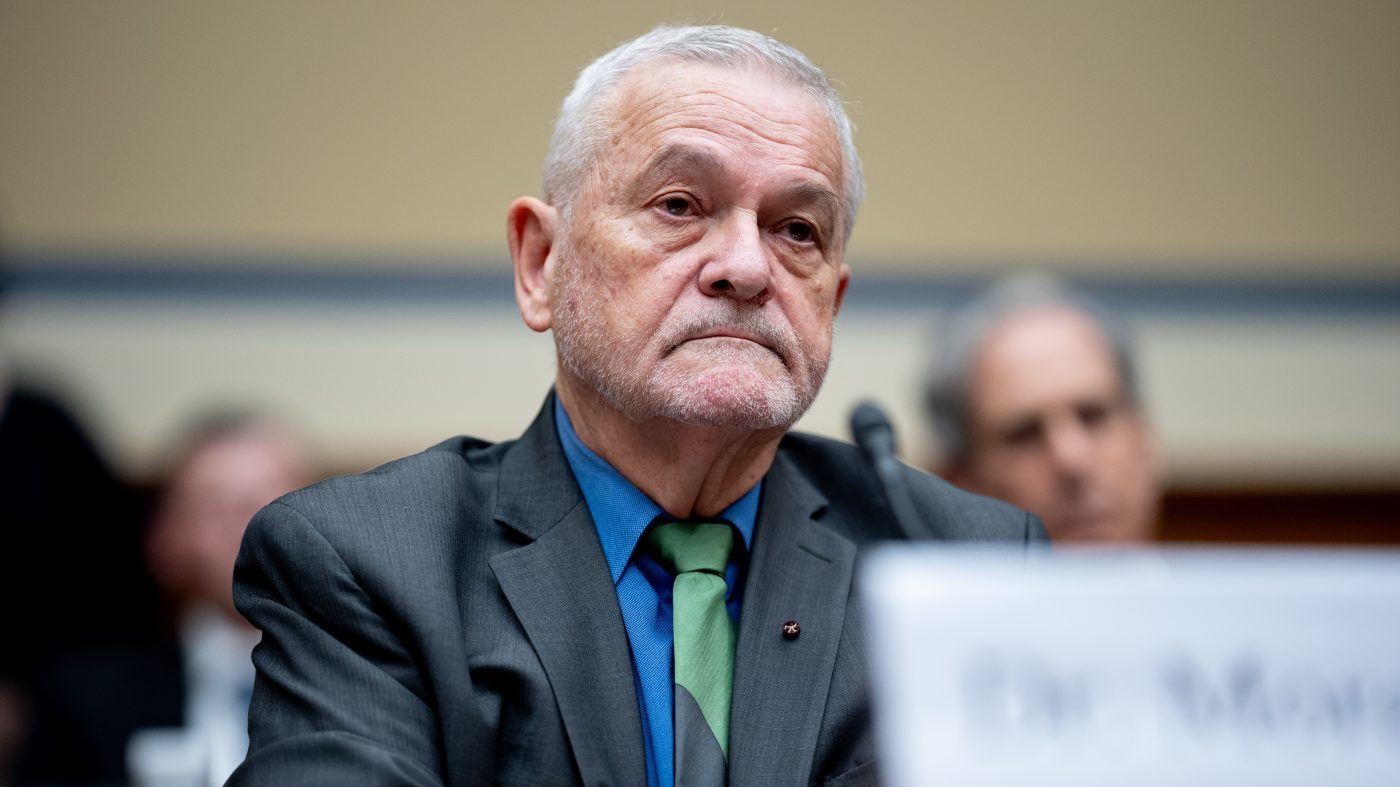
The Justice Department unsealed an indictment Tuesday against David Morens, a former senior adviser to Dr. Anthony Fauci at the National Institutes of Health, charging him with orchestrating a scheme to keep sensitive records out of the hands of Freedom of Information Act requesters.
According to the DOJ, Morens faces counts including conspiracy against the United States, destruction and falsification of records in federal investigations, and concealment of documents. The charges stem from his use of personal email accounts to discuss NIH grants with EcoHealth Alliance, an infectious disease research group, as first revealed by the House Select Subcommittee on the Coronavirus Pandemic in 2024.

Acting Attorney General Todd Blanche condemned the alleged misconduct, stating, “These allegations represent a profound abuse of trust at a time when the American people needed it most — during the height of a global pandemic.” He added that Morens and his co-conspirators “deliberately concealed information and falsified records in an effort to suppress alternative theories regarding the origins of COVID-19.”
Blanche emphasized that government officials have “a solemn duty to provide honest, well-grounded facts and advice in service of the public interest — not to advance their own personal or ideological agendas.”
Morens’s emails suggested a quid pro quo relationship with EcoHealth Alliance. In one exchange, he claimed he used his personal address to avoid “more embarrassment and danger” to the group’s head during congressional testimony. The revelations drew bipartisan criticism from the special subcommittee.
If convicted, Morens faces up to three years per count for concealment of records, up to five years for conspiracy against the U.S., and up to 20 years for each destruction count. Some emails indicated that Fauci may have been aware of the scheme; Morens wrote, “I can either send stuff to Tony on his private gmail, or hand it to him at work or at his house. He is too smart to let colleagues send him stuff that could cause trouble.”
Fauci has distanced himself, saying he “knew nothing” of the emails and describing Morens as “not an adviser to me on institute policy or other substantive issues.” In a 2024 opening statement, Fauci claimed, “To the best of my knowledge I have never conducted official business via my personal email.”
The indictment drew swift praise from Trump allies. FBI Director Kash Patel wrote on social media, “Weaponization of the USG by its senior members in a time of global pandemic, who were entrusted to protect us. They violated that trust and the law—destroyed records the public had every right to see.” Representative James Comer (R-Ky.), former chair of the COVID subcommittee, said, “We caught Dr. Morens red-handed as he boasted in emails about how the ‘FOIA lady’ coached him on how to hide records.” Comer added, “No one is above the law and under the Trump Administration, overdue accountability is finally here.”
The case highlights ongoing tensions over government transparency during the pandemic. In a related development, the Justice Department has also pursued other high-profile cases involving alleged misconduct by federal officials. Meanwhile, the Supreme Court has faced scrutiny over public trust, and bipartisan efforts continue on border policy.