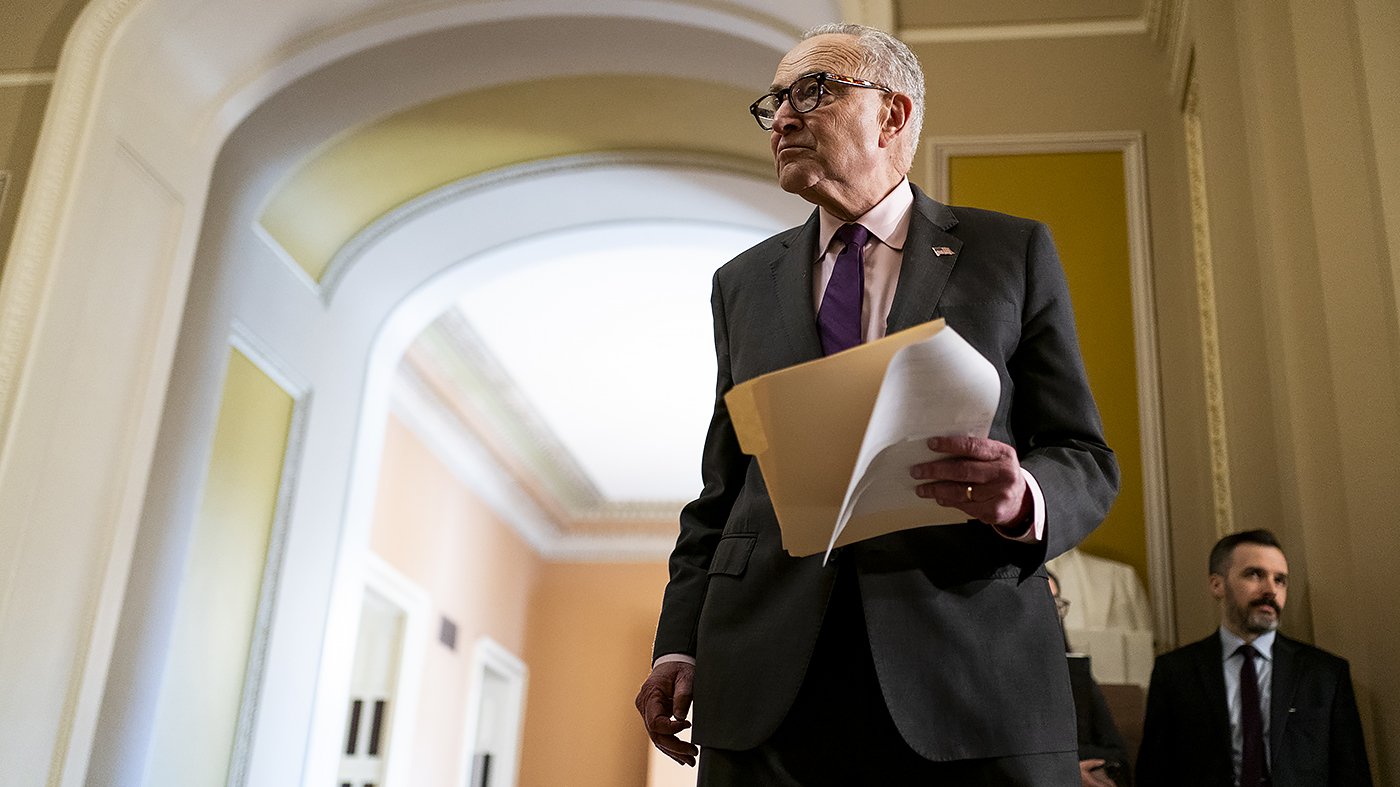
Senate Majority Leader Chuck Schumer (D-N.Y.) launched a blistering attack on the Supreme Court Wednesday, denouncing its 6-3 decision to strike down Louisiana's congressional map as a deliberate assault on the Voting Rights Act that will empower Republican state legislatures to rig future elections.
The ruling, issued Tuesday, upheld a lower court's determination that Louisiana's creation of a second majority-Black district constituted unconstitutional racial gerrymandering. Critics argue the decision effectively guts protections for minority voters under the landmark 1965 law. Schumer, speaking on the Senate floor, declared the court had dealt "another deep cut" to the Voting Rights Act, building on what he called the "awful" 2013 Shelby County v. Holder ruling that eliminated preclearance requirements.
"The consequence is as clear as it is dangerous: fewer protections for voters, more power for politicians to draw maps that silence them, particularly voters historically disenfranchised," Schumer said in a statement. He warned that conservative state legislatures could now redraw maps to create as many as 19 additional House seats favoring Republicans, calling the decision a "MAGA court" gift to the GOP.
The ruling comes as part of a broader conservative judicial push to limit the Voting Rights Act. In a related development, Justice Elena Kagan accused the conservative majority of completing the Voting Rights Act's 'demolition', echoing Schumer's charge that the court has systematically eroded the law over the past decade.
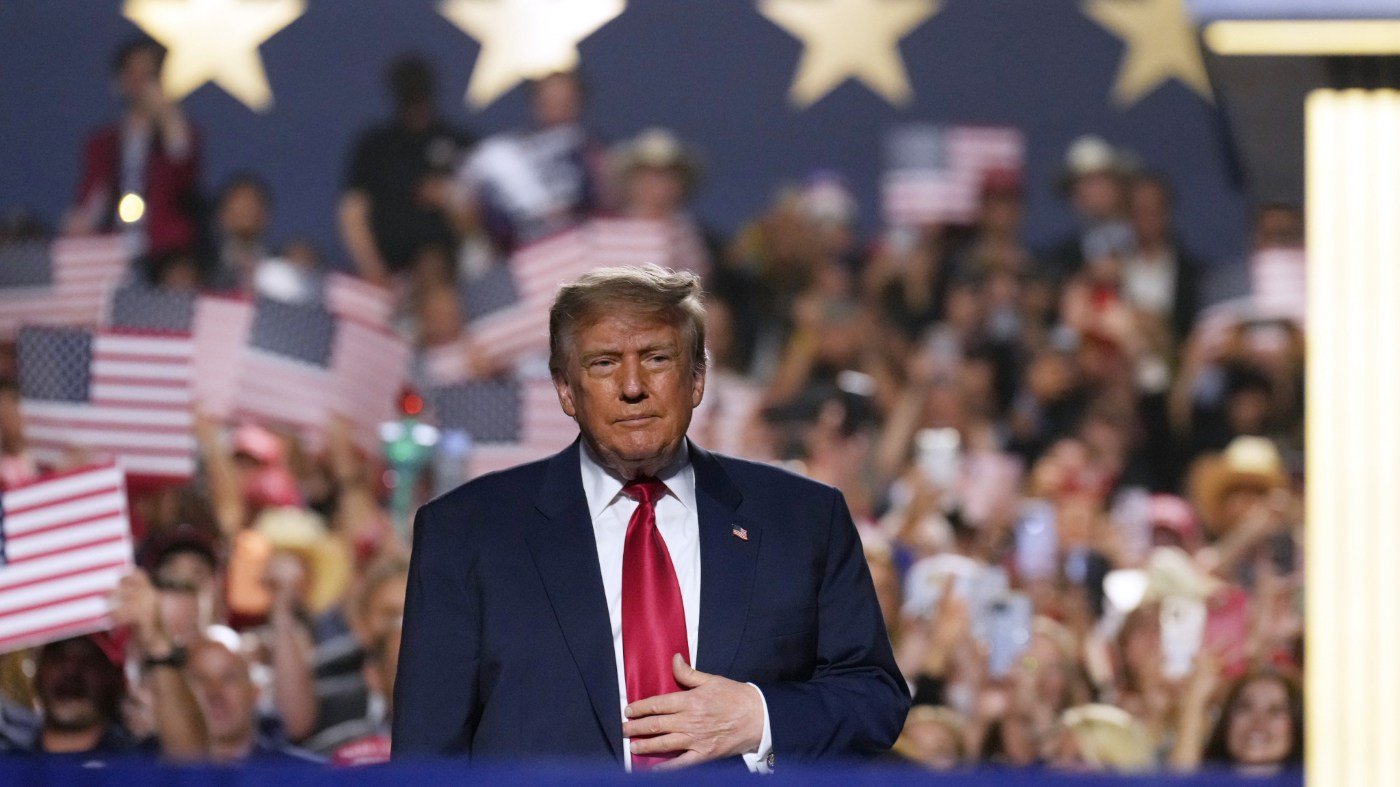
President Donald Trump, informed of the decision by reporters, openly cheered the GOP advantage it creates, calling the ruling a win for Republicans. The National Republican Congressional Committee also hailed the decision as a constitutional victory, framing it as a check against racial gerrymandering by Democrats.
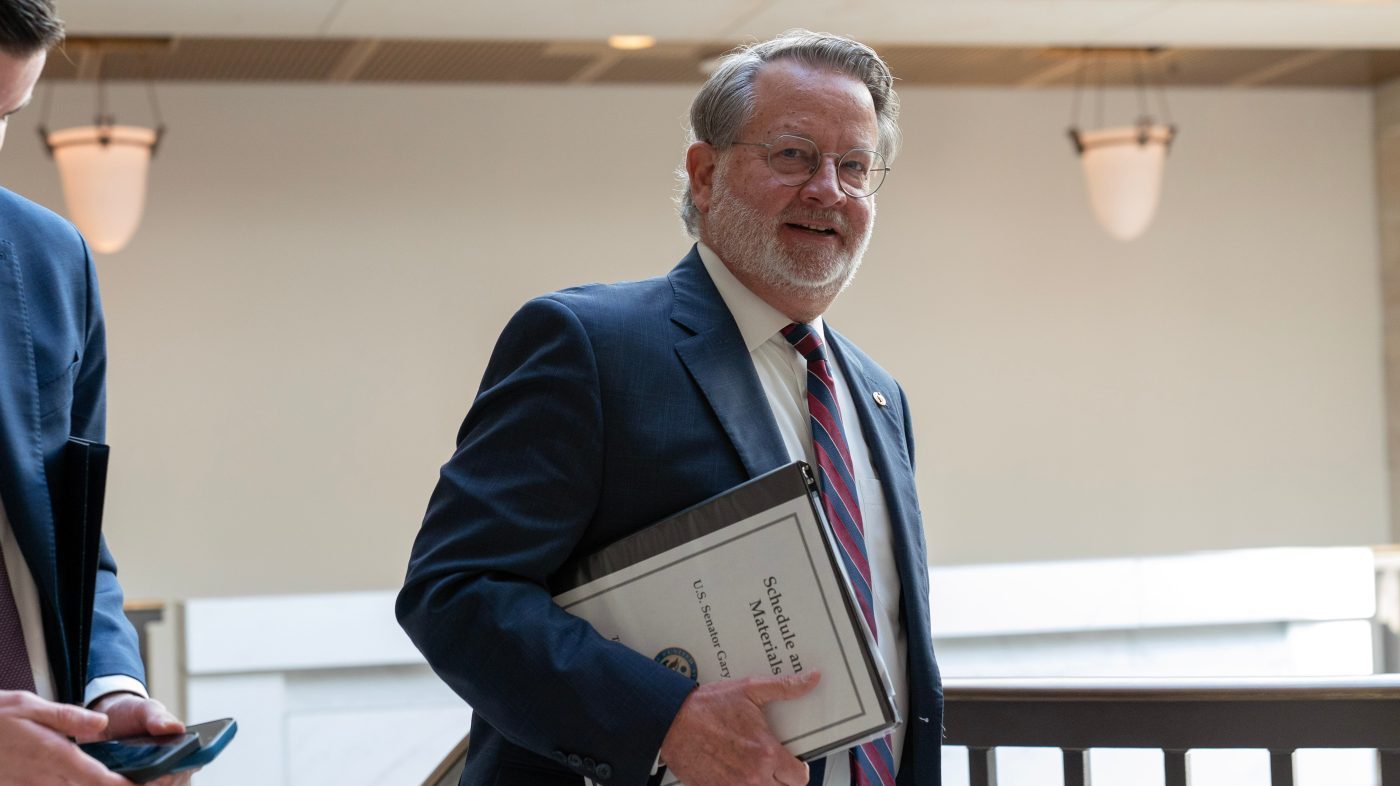
Other Democrats joined Schumer in condemning the ruling. Sen. Mark Warner (D-Va.) said the decision "only further underscores the urgent need for Congress to protect and expand voting rights." He called for passage of the John Lewis Voting Rights Advancement Act and the Freedom to Vote Act, both of which would restore preclearance requirements and establish national voting standards.
The high court's action lets stand a lower court order barring Louisiana from using a map with two majority-Black districts in future elections. Legal experts say the ruling could upend similar districts nationwide, particularly in the South, where minority representation has often hinged on such maps.
Schumer vowed that Senate Democrats "will fight it once again to reverse this awful decision," though with Republicans controlling the chamber and a filibuster in place, legislative action remains unlikely. The ruling underscores the deepening partisan divide over voting rights, with the court now squarely in the crosshairs of Democratic efforts to preserve the 1965 law's legacy.