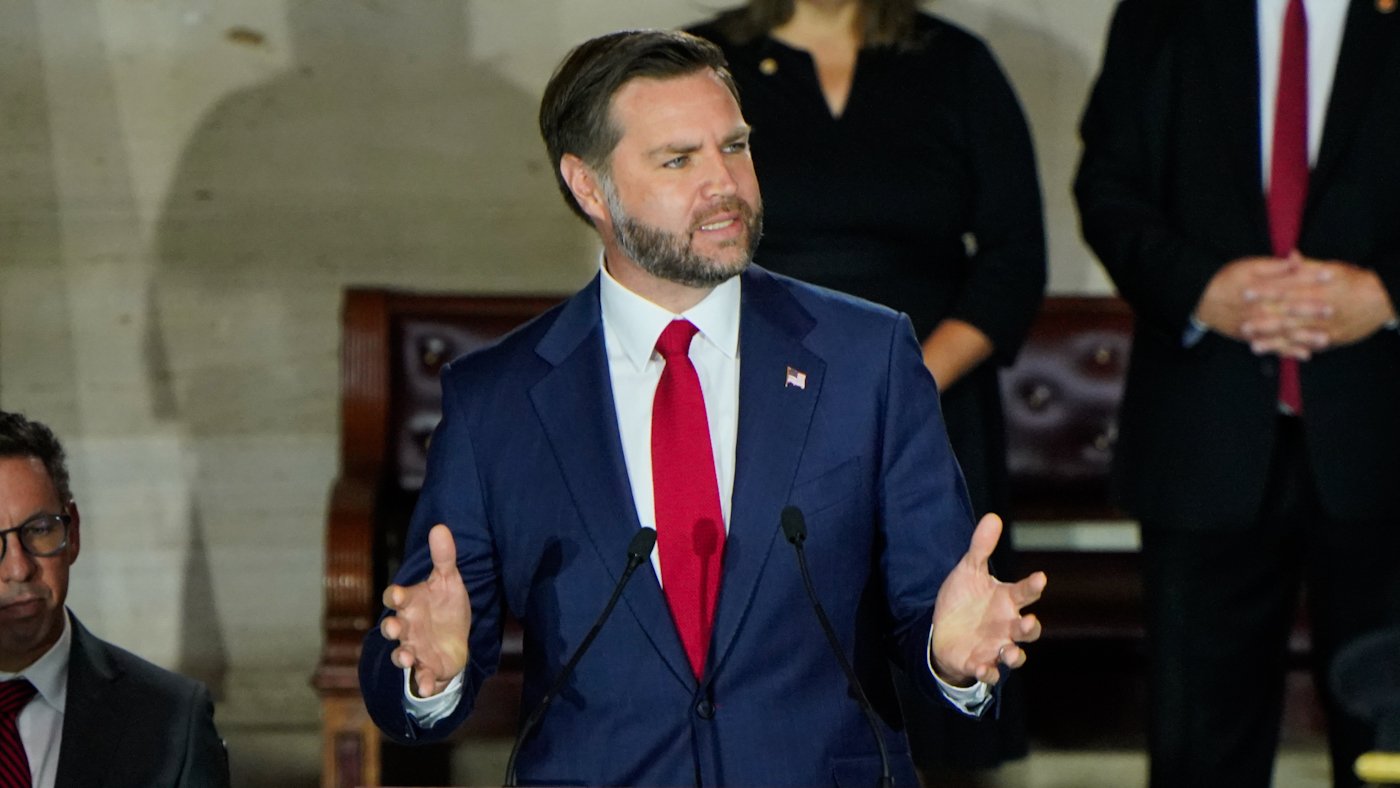
Senate Democrats have launched an investigation into the Department of Justice's decision to subpoena the communications records of New York Times reporters, escalating a clash over press freedom and executive overreach. The probe, spearheaded by Senator Adam Schiff of California, focuses on whether the Trump administration weaponized federal law enforcement to retaliate against journalists covering a story about a new Air Force One jet reportedly gifted to the president by Qatar.
In a letter sent this week to the DOJ, Democrats on the Senate Judiciary Committee demanded details on the role of Acting Attorney General Todd Blanche and U.S. Attorney Jay Clayton—the latter currently nominated to lead the Office of the Director of National Intelligence—in approving the subpoenas. The lawmakers accused the department of lacking transparency and engaging in aggressive tactics that mirror a pattern of press intimidation under Trump.
“The Department’s lack of transparency and aggressive action toward journalists – in this circumstance, seemingly directed by President Trump after he was upset by negative reporting – both follow this administration’s clear pattern of pressuring news organizations, including several attempts by DOJ to subpoena or intimidate journalists,” the committee members wrote.
The subpoenas sought not only the reporters’ communications but also the records of their spouses and family members, a move the Times condemned in court as “a bad faith effort to harass, intimidate, and retaliate against members of the press for reporting on subjects the President finds embarrassing.” The newspaper’s legal challenge argued the government overstepped its authority in a leak investigation, targeting journalists rather than focusing on alleged leakers within the department.
Administration lawyers have since dropped the subpoenas, asserting in court filings that the investigation was not directed at the Times reporters but aimed at identifying confidential sources. “Without divulging classified or otherwise confidential and sensitive information, the movants are incorrect, for example, in asserting that the investigation lacks proper predication and that no investigative steps were taken prior to issuance of the subpoenas,” government attorneys stated.
The controversy comes as Democrats have been vocal about threats to press freedom, linking the DOJ’s actions to broader concerns about executive accountability. The party has also been pushing back on other fronts, such as Trump's Canada tariffs giving Democrats a new attack line in Michigan races, where they argue economic policy is being used to punish political opponents. The subpoena episode has added fuel to their narrative that Trump’s administration routinely targets critics.
Legal experts and First Amendment advocates warned that the subpoenas, even if withdrawn, could have a chilling effect on government whistleblowers and the press. The move was widely seen as unprecedented in its scope, targeting not just journalists but their families, raising questions about whether the DOJ’s leak investigations have become a tool for political retribution.
Senator Schiff’s inquiry now seeks to determine whether Blanche and Clayton personally authorized the subpoenas and whether Trump directed the effort. The probe also examines if the DOJ followed proper protocols in issuing such broad demands for journalists’ records, potentially setting a precedent for future administrations.
Meanwhile, the political fallout continues, with Democrats using the incident to rally support for press protections. The party has also been working to counter GOP narratives on other issues, such as Democrats launching a strategic push to reclaim the American flag and patriotism, aiming to broaden their appeal beyond institutional fights. The subpoena controversy underscores the high stakes as both parties gear up for the next election cycle.
The DOJ has declined to comment further on the matter, but the Senate Judiciary Committee’s investigation is expected to continue, potentially leading to hearings or further demands for documents. For now, the episode remains a flashpoint in the ongoing debate over the balance between national security and press freedom.