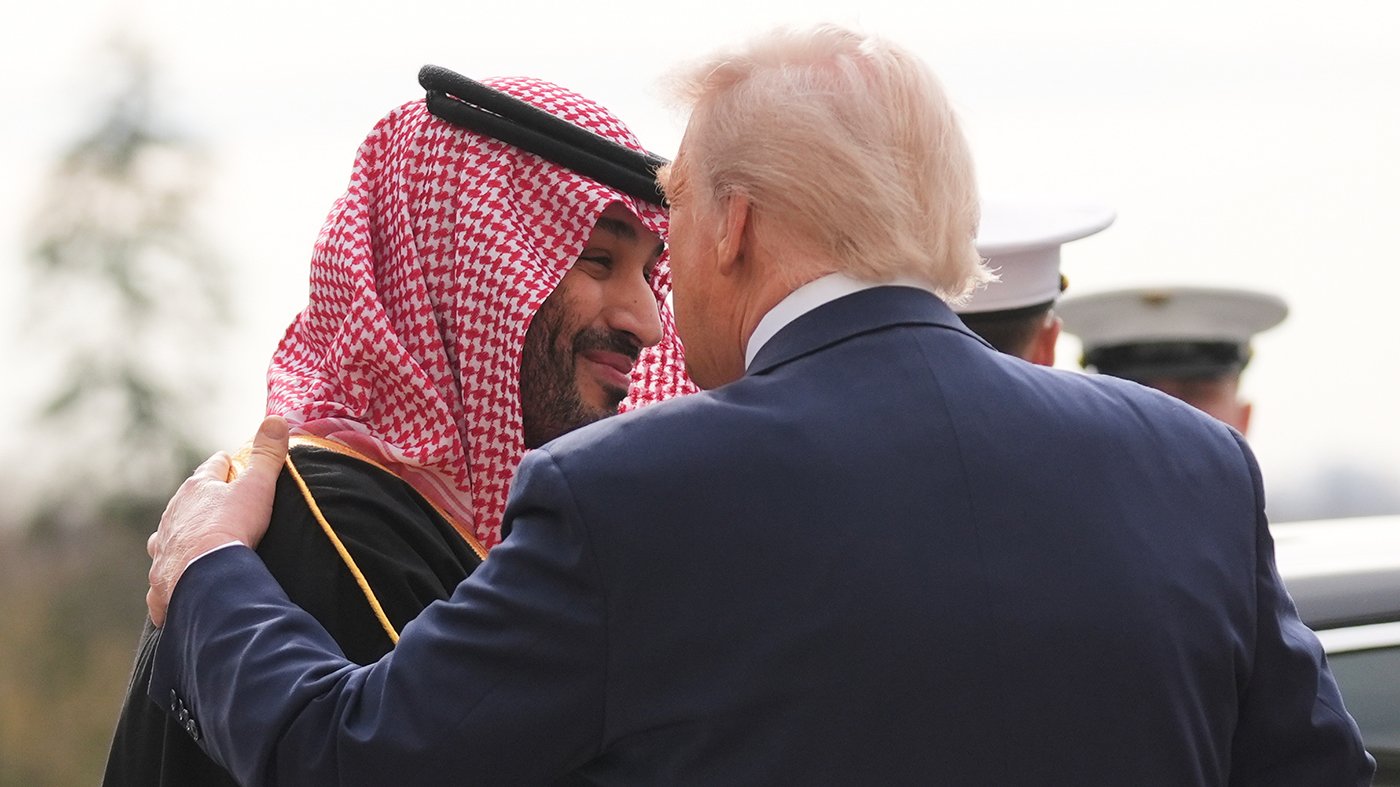
Riyadh is showing no willingness to accept President Trump's last-minute demand that it establish diplomatic relations with Israel as part of a civil nuclear cooperation agreement with the United States. Saudi officials have not even publicly acknowledged that the deal, signed last week by Energy Secretary Christopher Wright, is in jeopardy.
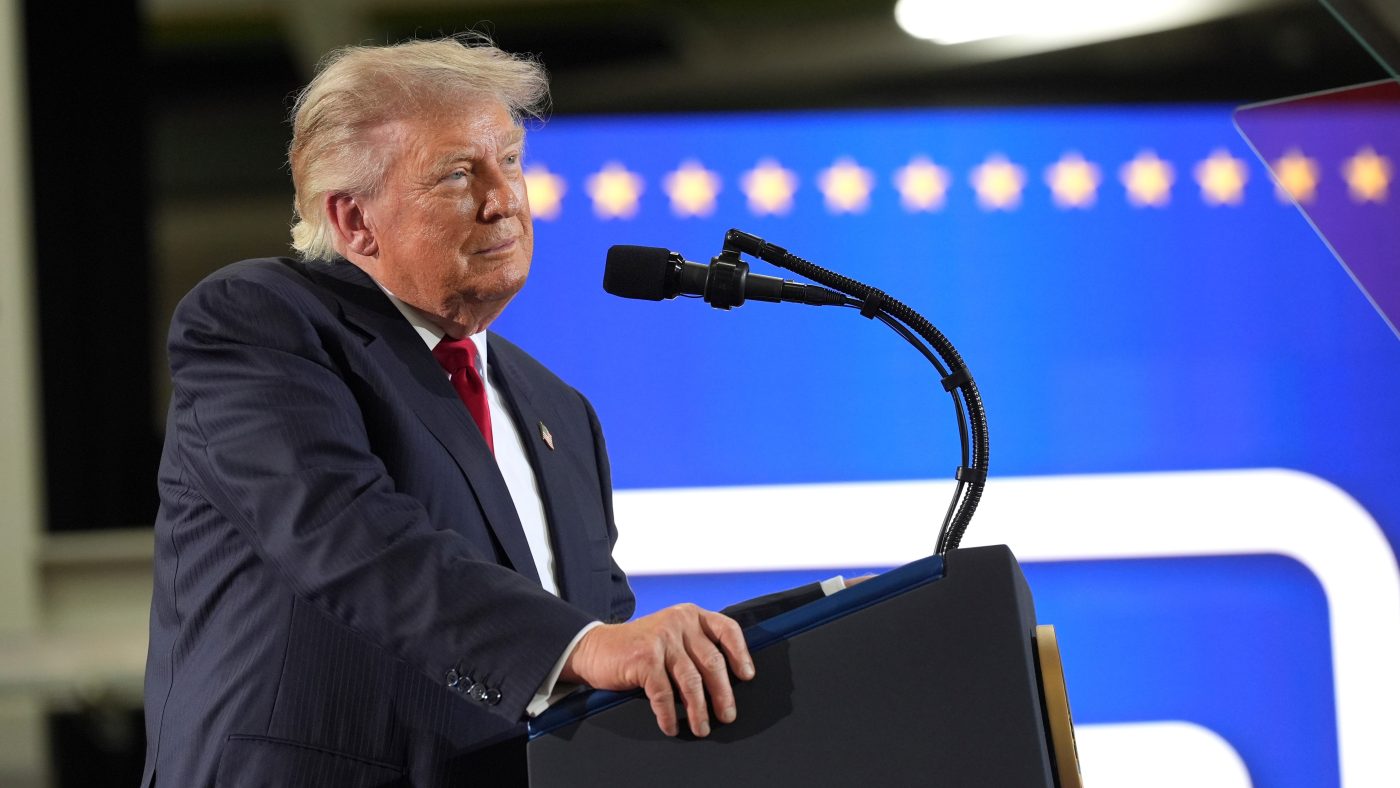
The nuclear pact, negotiated over multiple administrations, had long been tied to Saudi-Israeli normalization—a key goal for Trump. But when Wright announced the agreement on July 22, that condition was conspicuously absent from the announcement. Trump later insisted on social media and in the Oval Office that normalization was always a prerequisite, saying, “I’m not going to do the deal” without it.
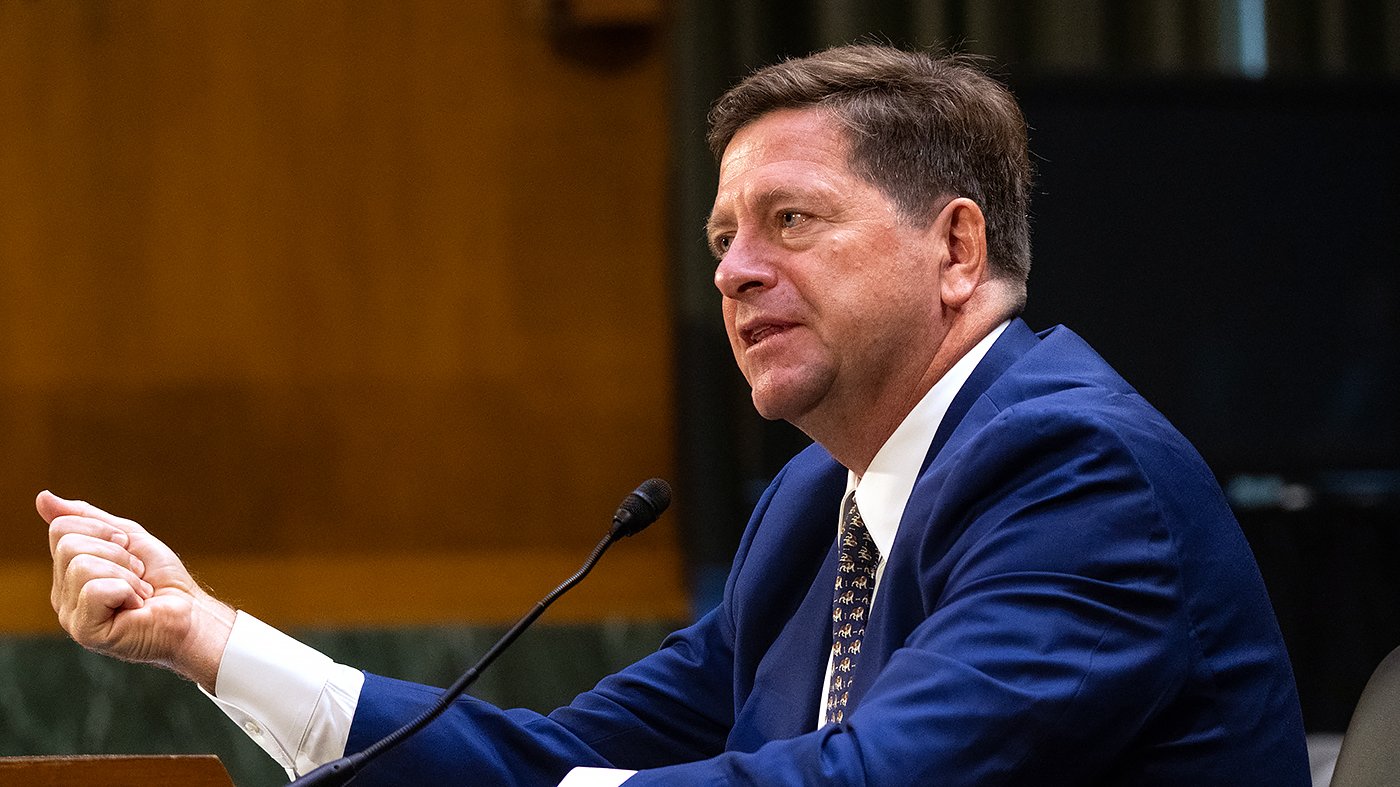
Mohammed Alhamed, a Saudi geopolitical analyst and president of Saudi Elite, dismissed the demand as political theater. “If Saudi recognition of Israel had been a formal condition for the nuclear deal, it would have been negotiated before the agreement was signed and explicitly included in its terms,” he said. Alhamed suggested Trump was “speaking to a domestic political audience” rather than altering the substance of the pact.
The Saudi Embassy in Washington declined to comment on the record about the deal’s status or normalization talks. But former U.S. Ambassador to Saudi Arabia Michael Ratney said Riyadh is likely taking a cautious approach. “They’re going to take a pause, take a deep breath, have some quiet conversations, and see where this lands,” he said, adding that Trump may not want to scuttle a deal that promises lucrative business for American firms.
Trump faces a key test in the coming weeks: whether to transmit the agreement to Congress before Republicans potentially lose their majorities in the House and Senate. Once submitted, lawmakers have 90 days to block it. If Trump delays past September, he could face slimmer GOP margins or Democratic control, complicating approval. The deal, reportedly worth billions over 30 years, would give U.S. companies a central role in building Saudi Arabia’s nuclear infrastructure, including a controversial provision for a two-year feasibility study on uranium enrichment in the kingdom—a step that nonproliferation experts warn could enable a Saudi nuclear weapon. National Security Advisor Mike Waltz has reassured critics that the U.S. is not transferring enrichment technology to Riyadh, but the provision remains a sticking point.
Former Biden administration official Daniel Shapiro noted that Crown Prince Mohammed bin Salman views the nuclear partnership as a “holy grail” and wants “special exemptions” for enrichment as a hedge against Iran. “The Crown Prince has always said that he would ensure Saudi Arabia matched that capability if Iran got it,” Shapiro said. Riyadh is unlikely to walk away entirely, but analysts say the normalization demand adds uncertainty. “They hope the agreement moves forward, that Trump will back down from his tweet,” Shapiro added.
Despite tensions, Saudi Arabia sees the U.S. as its preferred long-term partner over rivals like Russia and China. Ratney emphasized that the kingdom wants its security “anchored in the United States,” making the nuclear deal a strategic piece of that relationship. But Trump’s whiplash diplomacy—combined with growing partisanship in Congress and fallout from the war with Iran—has put the pact in a holding pattern.