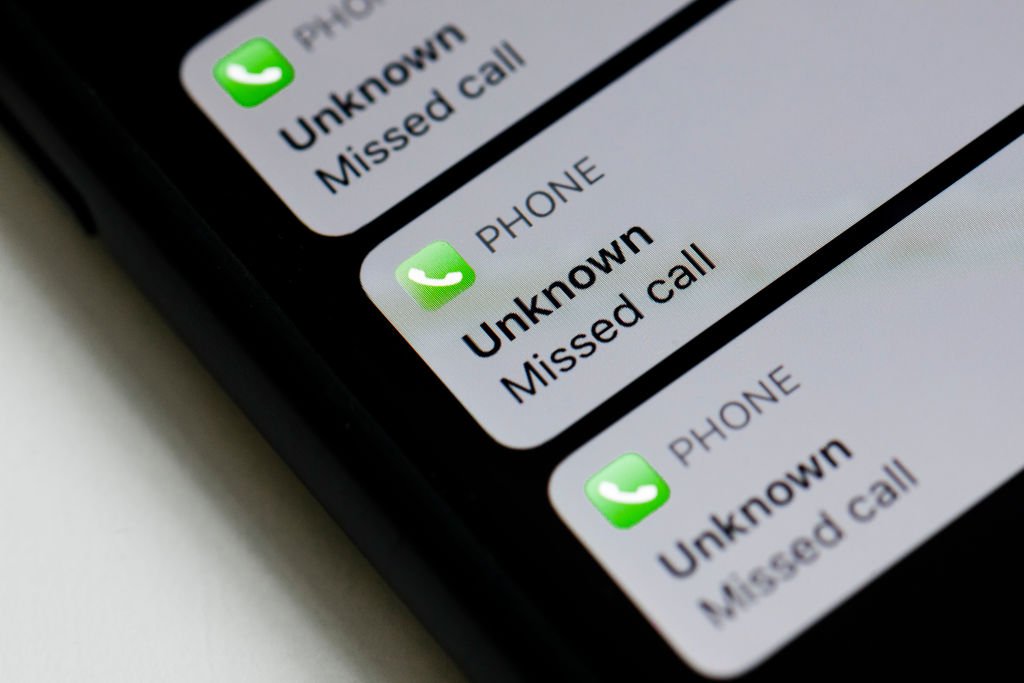
If your phone has been buzzing with unfamiliar numbers lately, you're not alone. Americans received an estimated 4.4 billion robocalls in July, the highest monthly volume in a year, according to call-blocking service YouMail. That marks a steady climb from an October 2025 low, with telemarketing and scams making up the bulk of the calls.
YouMail's data shows that the most common robocall in July was a pre-approved loan offer. Recipients were told they qualified for a large personal loan with low monthly payments. "As with similar campaigns, this appears to be at a minimum, illegal telemarketing at scale. Based on consumer reports and the behavior of the calls, it's likely to be a scam," YouMail said in its July report.
While robocalls increased nationwide, certain regions were hit harder than others. Data shared with Nexstar revealed that area codes in Texas, Georgia, and Indiana saw the biggest month-over-month spikes. Houston's 346 area code led the pack with a 19% jump, followed by Atlanta's 470 and Albany, Georgia's 229, both up 13%. Indianapolis (765) and Evansville, Indiana (812) each saw 12% increases, while Memphis (901) and Denver (720) were close behind at 11%.
YouMail CEO Alex Quilici attributes the surge to fraudsters exploiting loopholes in the telecom system. "We suspect the fraudsters are getting on the telephone networks at scale through a set of carriers that are benefiting from this illegal call traffic," he told Nexstar. "There are more barriers to that now, but it doesn't take a lot of bad actors to generate meaningful volumes."
The Federal Communications Commission has tightened rules in recent years, but spammers continue to adapt. Now, lawmakers are stepping in. The Senate passed a bill aimed at cracking down on international robocalls. Senator Peter Welch (D-Vt.), a cosponsor, said in a press release that "folks in red and blue states alike are sick and tired of picking up the phone and wondering if they're being scammed."
For consumers, the national Do Not Call Registry can reduce telemarketing calls, but it won't stop everyone. Experts advise letting unknown calls go to voicemail and never using a number provided by an unsolicited caller. If you need to reach your bank, utility company, or health insurer, always use the number on your card or latest statement.
As robocalls continue to plague Americans, the issue has drawn bipartisan attention. The Senate's action follows a broader debate over phone privacy and security, including recent Supreme Court rulings on cellphone data. For now, the best defense is caution: don't answer, and verify any urgent-sounding messages through official channels.