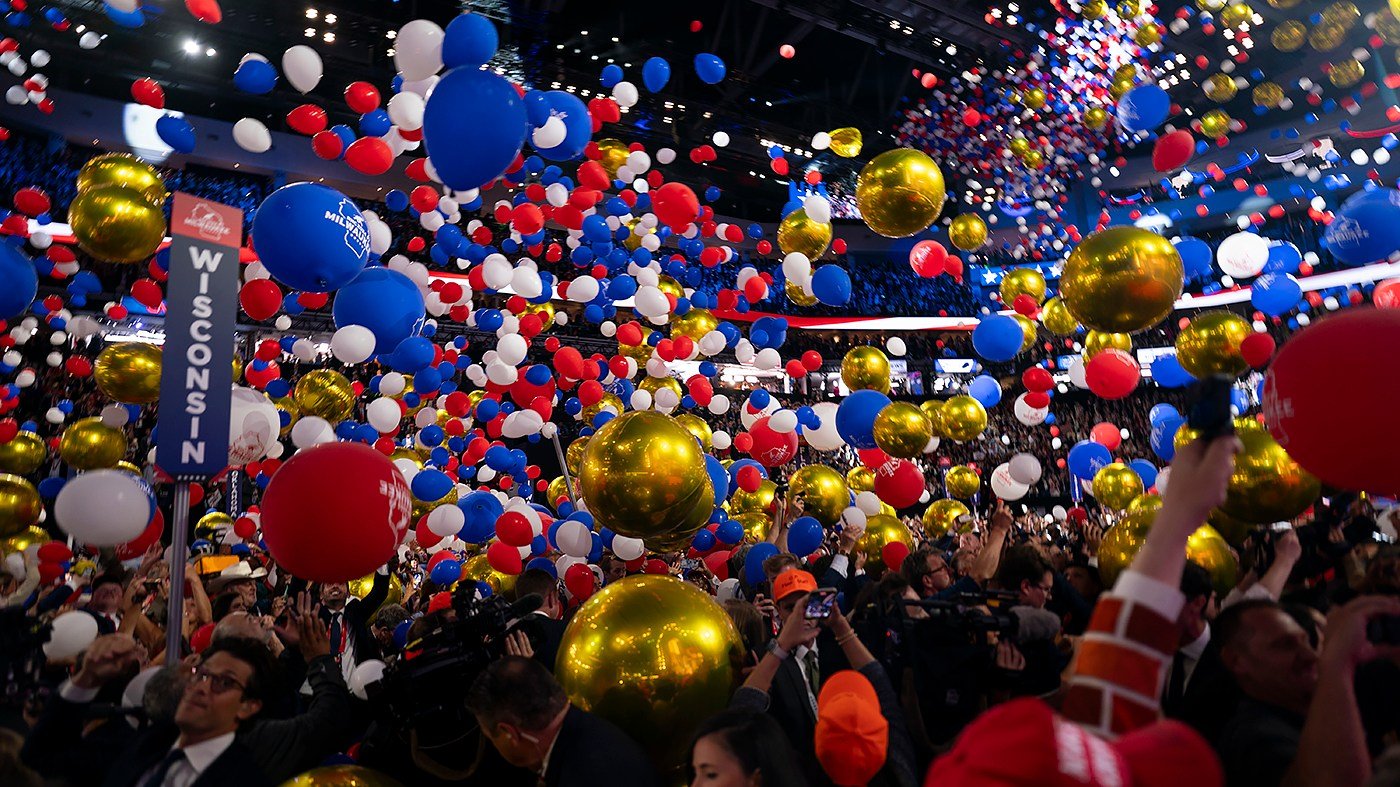
The Republican National Committee's inaugural midterm convention, set for September 9-10 in Dallas, is finally taking shape after months of secrecy. What was once a vague promise from President Trump has become a two-day rally aimed at energizing the GOP base ahead of November's elections, even as the president's approval ratings slide. But behind the scenes, some Republicans are grumbling about the event's hurried organization and the hefty price tag it carries for lawmakers, who are reportedly being asked to contribute $25,000 each to participate.
A Republican operative familiar with the planning told The Hill that while Trump has been touting this convention for over a year, the actual logistics have been compressed into a matter of weeks. "A lot of things made this very hasty that didn't need to happen," the operative said, noting that Trump only announced the Dallas location at the end of June. The midweek scheduling also clashes with the NFL's opening games and falls just days before the 25th anniversary of the September 11 attacks, raising doubts about whether the so-called "Trump-a-palooza" will capture the media attention needed to justify its expense.
The event is designed to rally Republicans, particularly in Texas, where the Senate race is unexpectedly tight. But it also forces candidates from other states to leave the campaign trail during a critical stretch. "I think the big question on people's minds is whether or not this is helpful," said Joshua Blank, research director for the Texas Politics Project at the University of Texas at Austin. Blank pointed to polling that shows Trump's approval rating underwater in Texas, and he recalled the 2018 midterms when Trump's visit to boost Senator Ted Cruz against Beto O'Rourke had little measurable impact. "Most analyses after the fact tended to indicate that that visit didn't really help Cruz," he said.
Blank was blunt about the scheduling: "It raises the question of whether the timing is somewhere between ill-conceived or just not conceived at all. This may be convenient for some, but it doesn't seem to be necessarily timed for maximum impact. It seems more like a reaction to concerns about enthusiasm among Republican voters. It's more of a reaction than it is a clear plan." His skepticism is echoed by other observers who wonder if the convention is a wise use of resources, especially given the headwinds Republicans face on economic and foreign policy.
However, Texas-based GOP consultant Brendan Steinhauser sees the event as a "net positive" for the party. "It's two days. It's not two weeks," he argued, "so you're not really taking away from anything else. Texas is indeed competitive, and this makes all the sense in the world to me. As long as it's a net positive financially, and they make use of the time and deliver a message, then I think it's a good thing." Similarly, strategist Vinny Minchillo dismissed the criticism, saying, "People are digging really hard to find problems with the event." He acknowledged the NFL conflict could be tough but stressed the convention's purpose as a "rally-the-troops event and an opportunity for fundraising." He added, "The people who want to watch the president are going to watch the president, and maybe the people who want to watch the NFL game are just going to record the president and watch him later."
Major networks have yet to confirm full coverage, though Fox News has said it will broadcast some portions. Organizers expect around 20,000 attendees, according to John Hiller, a White House aide and CEO of the convention's organizing board. Meanwhile, Dallas is scrambling to prepare for the event, with the police department, FBI, and Secret Service holding a joint press conference to outline security plans. The city will spend $1.8 million on security, a significant outlay given Dallas faces a potential $30 million budget shortfall this fiscal year. City Manager Kimberly Bizor Tolbert said the city is "actively evaluating reimbursement and grant opportunities" but stressed that public safety services will not be compromised.
Deputy Police Chief Devon Palk warned of road closures, transit disruptions, and a heightened law enforcement presence, including officers from outside agencies. Both Palk and Tolbert anticipate protests during the convention. The cost has drawn scrutiny, with Minchillo noting, "We've got a city that's got budget problems, and the city of Dallas has a lot of financial issues. So $2 million is not an insignificant amount of money for them to spend. But that's what it costs to bring in these big events."
Dallas Mayor Eric Johnson, who switched from Democrat to Republican in 2023 and now leads the Republican Mayors Association, has called hosting the event a "tremendous honor." The convention comes as Trump faces new controversies over his threats against media outlets, and as some Republicans worry about the loyalty of lame-duck senators in the face of his influence. Whether the Dallas gathering will galvanize voters or simply serve as a costly distraction remains to be seen, but it underscores the party's reliance on Trump's star power to drive turnout in a challenging political climate.