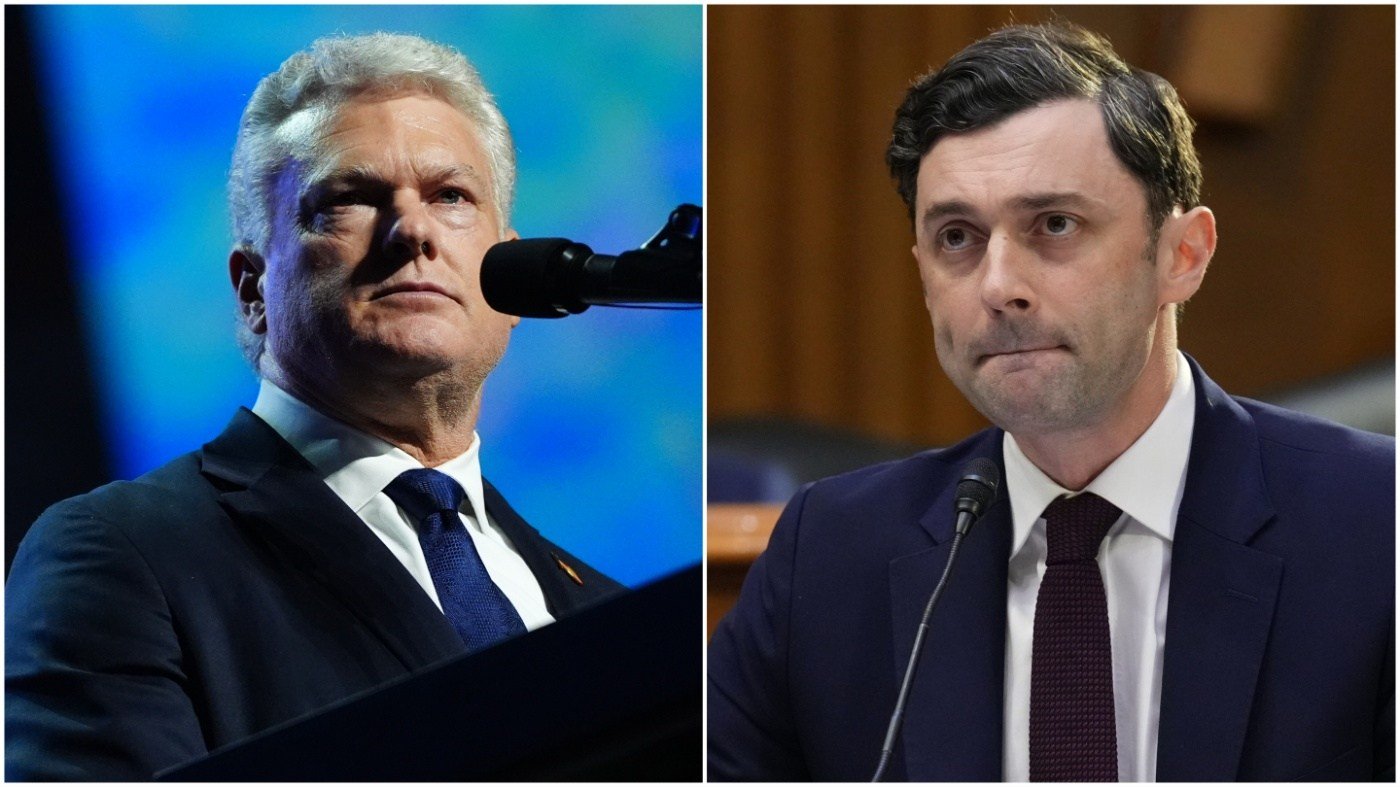
Republicans are entering the final stretch of the midterm cycle on shakier ground than expected, with once-safe seats becoming competitive as President Trump's economic and foreign policy choices stir voter anxiety. Democrats see an opportunity to chip away at the GOP's congressional majority, targeting Senate races in states Trump carried comfortably in 2024—Texas, Iowa, and Alaska—as well as open House seats in North Carolina, Maine, and Ohio.
Trump's approval ratings have slipped amid public unease over the Iran conflict, rising consumer prices, and aggressive immigration enforcement. That unease is translating into tighter polls, but GOP leaders are betting that Trump's base loyalty can offset any turnout dip. The president has urged supporters to "pretend" he is on the ballot in November, a message echoed by allies on the trail.

In Texas, the Senate race between Attorney General Ken Paxton and state Rep. James Talarico is a dead heat. An Emerson College poll puts Paxton at 47 percent and Talarico at 46 percent, with other surveys showing the Democrat narrowly ahead. Talarico holds a substantial fundraising advantage, having pulled in more than $31 million compared to Paxton's $9.3 million, according to campaign finance records.
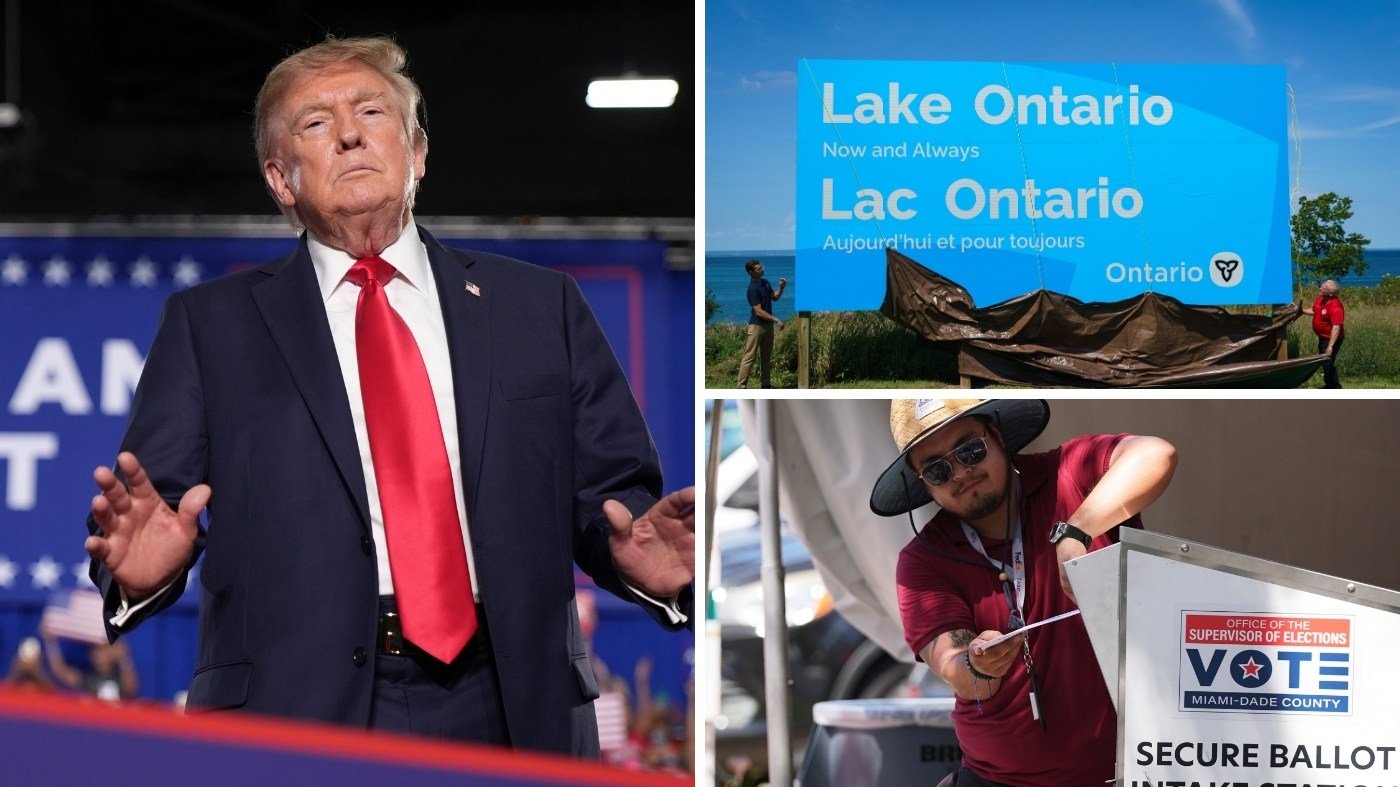
The election fight has also spotlighted mail-in voting rules. The Justice Department on Friday appealed a temporary block on new U.S. Postal Service regulations that would require states to submit voter lists 90 days before the November election to receive mail ballots. U.S. District Judge Indira Talwani sided with Democratic-led states and voting groups, arguing the timeline would create an "overwhelming risk" of disenfranchising mail voters. The administration, in its appeal, called the requirements "modest" and denied any federal power grab.
Beyond domestic politics, Trump is locked in a trade confrontation with Canada. A 50 percent tariff on $20 billion in Canadian imports took effect last week, prompting Prime Minister Mark Carney to announce "dollar for dollar" retaliation starting Sept. 8. Trump then escalated, threatening 50 percent tariffs on Canadian autos, auto parts, and steel beginning Jan. 1, 2027. The dispute has also taken a symbolic turn: Trump signed an executive order renaming Lake Ontario—shared with New York—as "Lake America," a move that has drawn criticism from Indigenous groups and Canadian officials.
The economic stakes are high, with U.S.-Canada trade in goods and services estimated at $872 billion in 2025. The tariff war threatens to raise costs for consumers and disrupt deeply integrated supply chains on both sides of the border.
Simultaneously, the administration is pressing its economic campaign against Iran. Treasury Secretary Scott Bessent announced "Operation Economic Outcast" on Monday, aiming to pressure countries to sever financial ties with Tehran or lose access to the U.S. dollar system. This follows Trump's "economic D-Day" threat and comes after a June memorandum of understanding with Iran collapsed and talks over Strait of Hormuz shipping stalled.
On Venezuela, Trump announced Friday a deal giving the U.S. majority control over a portion of the country's oil reserves—a move he says will boost American supplies and eventually lower gas prices, which have spiked since the Iran war began. Democrats have criticized the arrangement as a giveaway to private interests, and the deal is likely to face scrutiny in the coming weeks.
The Sunday shows this week will feature key voices on these issues. Guests include Ontario Premier Doug Ford on ABC's "This Week," Sen. Ted Cruz on NBC's "Meet the Press," and Border czar Tom Homan on CNN's "State of the Union."
With control of Congress on the line, Republicans are hoping that Trump's base remains energized, but the converging pressures of trade wars, foreign conflicts, and inflation are testing that loyalty. As one GOP strategist put it, the party is "walking a tightrope" between defending the president's agenda and addressing voter concerns.