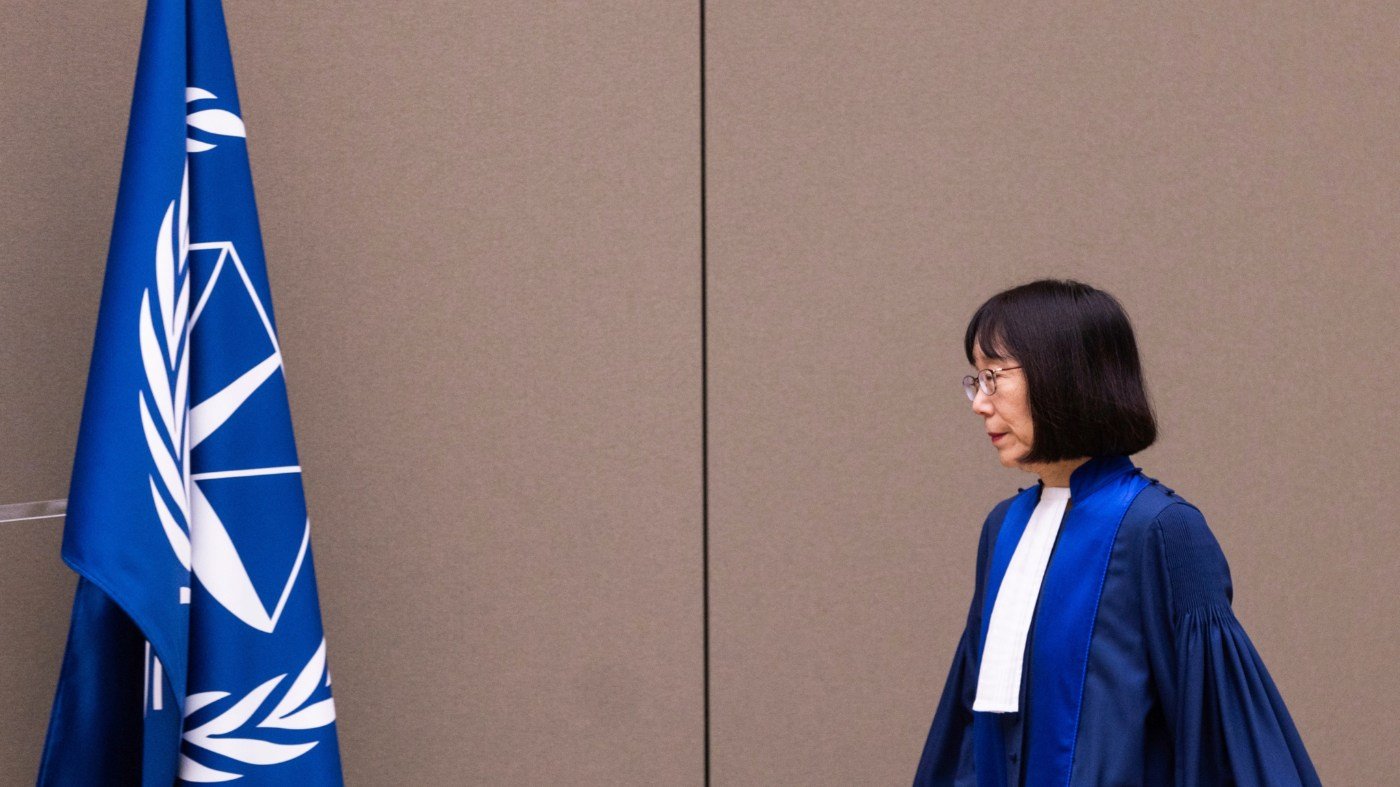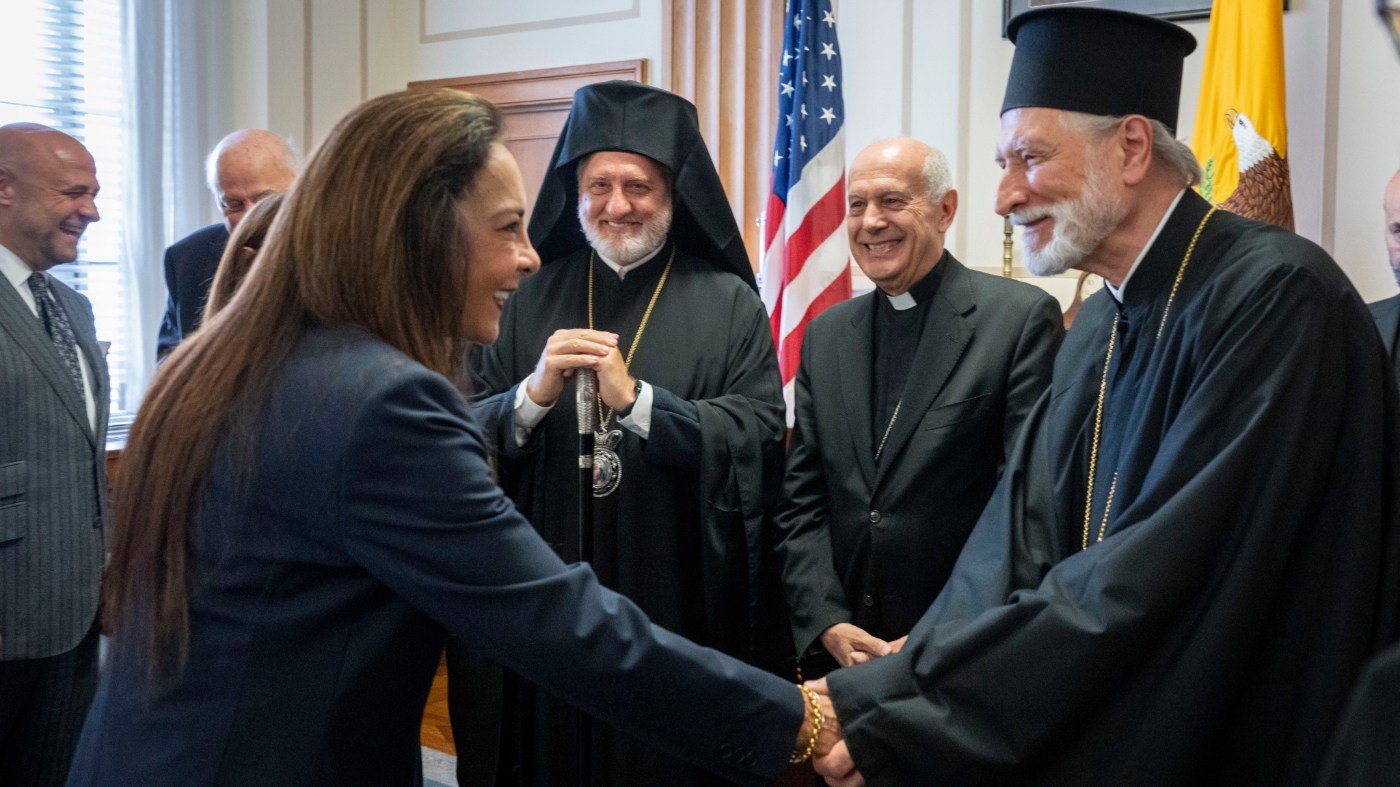
On October 27, the United States observes International Religious Freedom Day, commemorating the 1998 law that made defending religious conscience abroad a permanent fixture of American foreign policy. The day serves as a reminder that a nation's stability is fortified when citizens of different faiths can trust one another—a principle rooted in the founders' belief that religious diversity, when protected, fosters cohesion rather than conflict.
Yet the U.S. has not always lived up to this ideal. Historical and recent examples abound: state constitutions once barred aid to 'sectarian' schools, a measure widely seen as targeting Catholic institutions; antisemitic incidents have surged since the October 2023 Hamas attack; Black churches have faced racist violence from the Birmingham bombing of 1963 to the Charleston church murders in 2015; and after 9/11, Muslims and Arabs were subjected to hate crimes. Each lapse, the argument goes, weakened the nation.
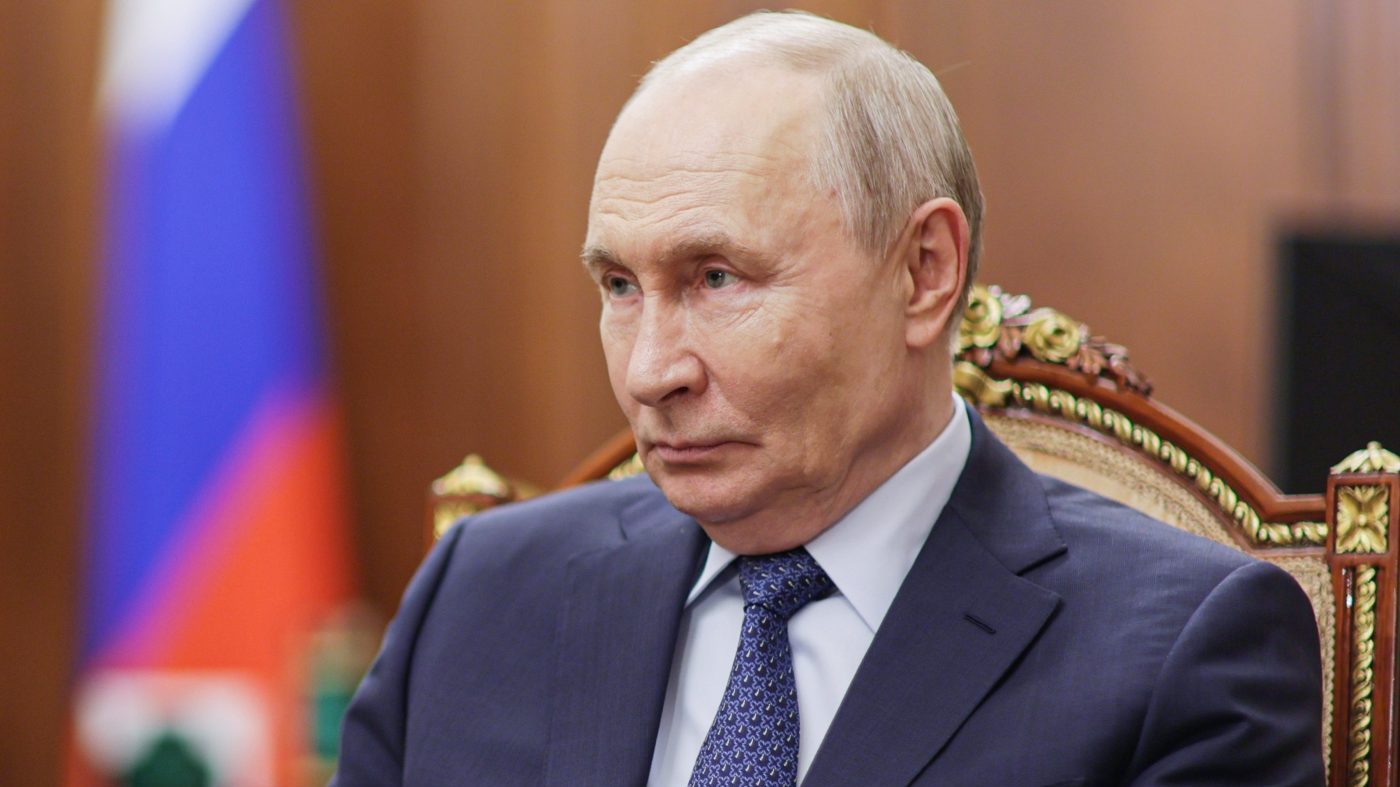
Secretary of State Marco Rubio’s diplomatic engagements reflect this commitment. Before his current role, Rubio backed bipartisan measures such as the Uyghur Forced Labor Prevention Act and the reauthorization of the U.S. Commission on International Religious Freedom. Earlier this month, he visited India, where proposed amendments to a foreign contribution law could allow authorities to revoke a charity's license over vague concerns about social or religious harmony and then seize its assets. Many affected institutions—schools, hospitals, and orphanages—trace their origins to missionaries like Saint Francis Xavier. The bill has been paused and sent to a parliamentary committee but not withdrawn.
While sovereign nations may regulate foreign funding, granting officials a vague standard and the power to confiscate church property crosses a line. Rubio has signaled that the U.S. will press partners to avoid such overreach.
The administration has nominated Jane 'Cissie' Graham Lynch, daughter of Evangelist Franklin Graham, as ambassador at large for international religious freedom. Lynch has worked with Samaritan's Purse since 2010 and was recently appointed as a non-voting member of the U.S. Commission on International Religious Freedom, which is now at full strength. Last month, President Trump also appointed Catholic Bishop Robert Barron, former White House policy chief Joe Grogan, and Pastor Andrew Brunson, who was imprisoned in Turkey, to the commission.
Lynch's confirmation would help restore a key provision of the International Religious Freedom Act, which mandates that the ambassador report directly to the secretary of State—a requirement Rubio helped write into law in 2016. Recent bureaucratic reorganization has blurred that line by placing the office under the Bureau of Democracy, Human Rights and Labor. A confirmed ambassador with direct access to the secretary can more effectively advocate for the persecuted.
This American commitment resonates globally. Pope Leo XIV, the first American pope, has been a vocal advocate for peace, offering the Vatican as a mediator shortly after his election and urging warring leaders to 'meet, talk, negotiate.' He has highlighted hotspots of religious persecution and convened representatives of major religions in an appeal for peace.
But peace is not passivity. Aggressors must be countered, the vulnerable protected, and the guilty held accountable. Governments must also step in when religion is used to subjugate or harm others. Faith invoked as a cover for violence is not religious freedom but its counterfeit, and free societies must draw that line carefully and evenly.
Ultimately, as the original piece notes, 'Blessed are the peacemakers.' A country that protects its pluralism and presses its partners to do the same is not just living its ideals—it is securing its future. This principle underlies the U.S. foreign policy priority of religious freedom, a stance that has implications for national security and diplomacy. For more on how religious liberty intersects with domestic politics, see this analysis of the Religious Right's alliance with Trump. Additionally, a recent lawsuit over religious access in a jail highlights ongoing challenges at home.