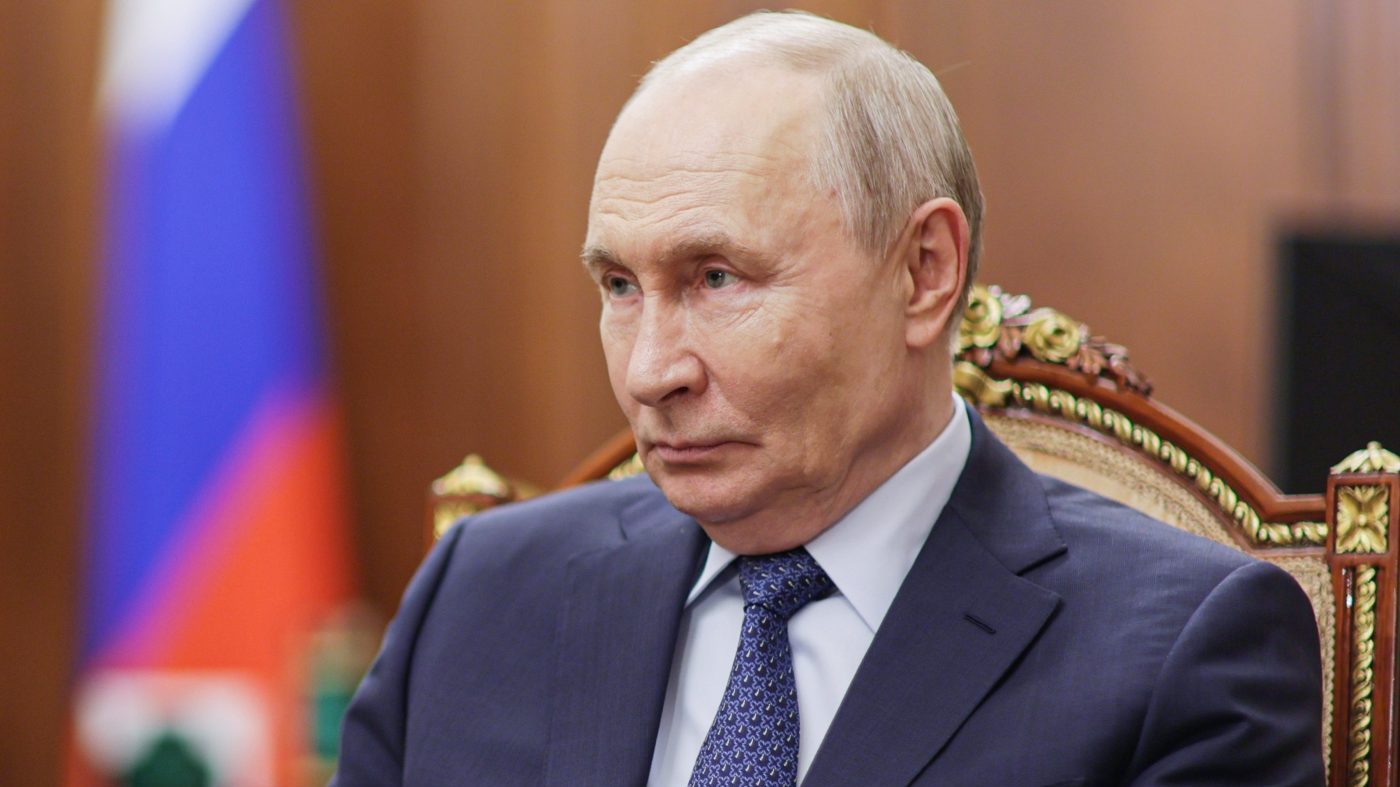
In a significant diplomatic departure, Finnish President Alexander Stubb and Norwegian Prime Minister Jonas Gahr Støre spoke directly with Russian President Vladimir Putin on Tuesday morning, marking one of the few high-level Western engagements with the Kremlin since the full-scale invasion of Ukraine. The Nordic leaders emphasized that their outreach was a national initiative, not a broader European effort.
In a joint statement, the two leaders described the conversation as "frank and substantive," underscoring that both nations share a border with Russia and are directly affected by the conflict's trajectory. "The outcome of this war will have a direct impact on our and the broader European security," Stubb said. "Ending the war requires direct discussions."

The call comes as diplomatic efforts intensify ahead of planned trilateral talks between the United States, Russia, and Ukraine in Abu Dhabi next month. Støre highlighted the immense human toll of the war, stating, "The war comes with enormous human and material costs. The suffering and destruction will impact generations. In the call we stressed the importance of de-escalation."
Kremlin spokesperson Dmitry Peskov confirmed the exchange to Russian state media, noting that the leaders acknowledged "the importance of respecting international maritime law and the principle of freedom of navigation." The reference to maritime law is likely tied to ongoing tensions in the Baltic Sea and Black Sea regions.
Ukrainian President Volodymyr Zelensky said he subsequently spoke with Stubb and Støre, thanking them for a "detailed briefing" of their conversation with Putin. In a social media post, Zelensky wrote, "Alex and Jonas made it clear to the Russian leader that real de-escalatory steps are needed regarding our energy and infrastructure." He added that they discussed the upcoming November negotiations and strengthening Ukraine's European partnerships.
However, the unilateral outreach drew sharp criticism from several European leaders. Danish Prime Minister Mette Frederiksen told Denmark's TV 2 that she was "very skeptical" of the initiative, noting it was "not coordinated" with the rest of Europe. "I think you should keep Europe together instead of going solo," Frederiksen said. "I actually don't know what the two countries think you can achieve with this. In the past, we have also emphasised in clear messages from the rest of Europe that when others have gone solo and, for example, travelled to Moscow, it is important that we Europeans join forces."
The move reflects a growing divide within Europe over how to engage with Moscow, with some leaders favoring direct dialogue while others insist on a unified front. This comes amid broader debates about Western strategy on Ukraine, including concerns over wavering support from the United States and criticism of former President Trump's embrace of Putin.
Finland, which joined NATO in 2023, and Norway, a founding member, have historically maintained pragmatic relations with Russia due to their shared borders and Arctic interests. However, both have been staunch supporters of Ukraine since the invasion began in February 2022. The direct call with Putin signals a willingness to explore diplomatic channels even as the war grinds on, but the lack of coordination with European allies may undermine its impact.
Analysts note that while direct engagement could open pathways for negotiations, it also risks being exploited by the Kremlin to sow discord among Western allies. The upcoming talks in Abu Dhabi will be a test of whether such bilateral efforts can complement or complicate broader peace efforts.