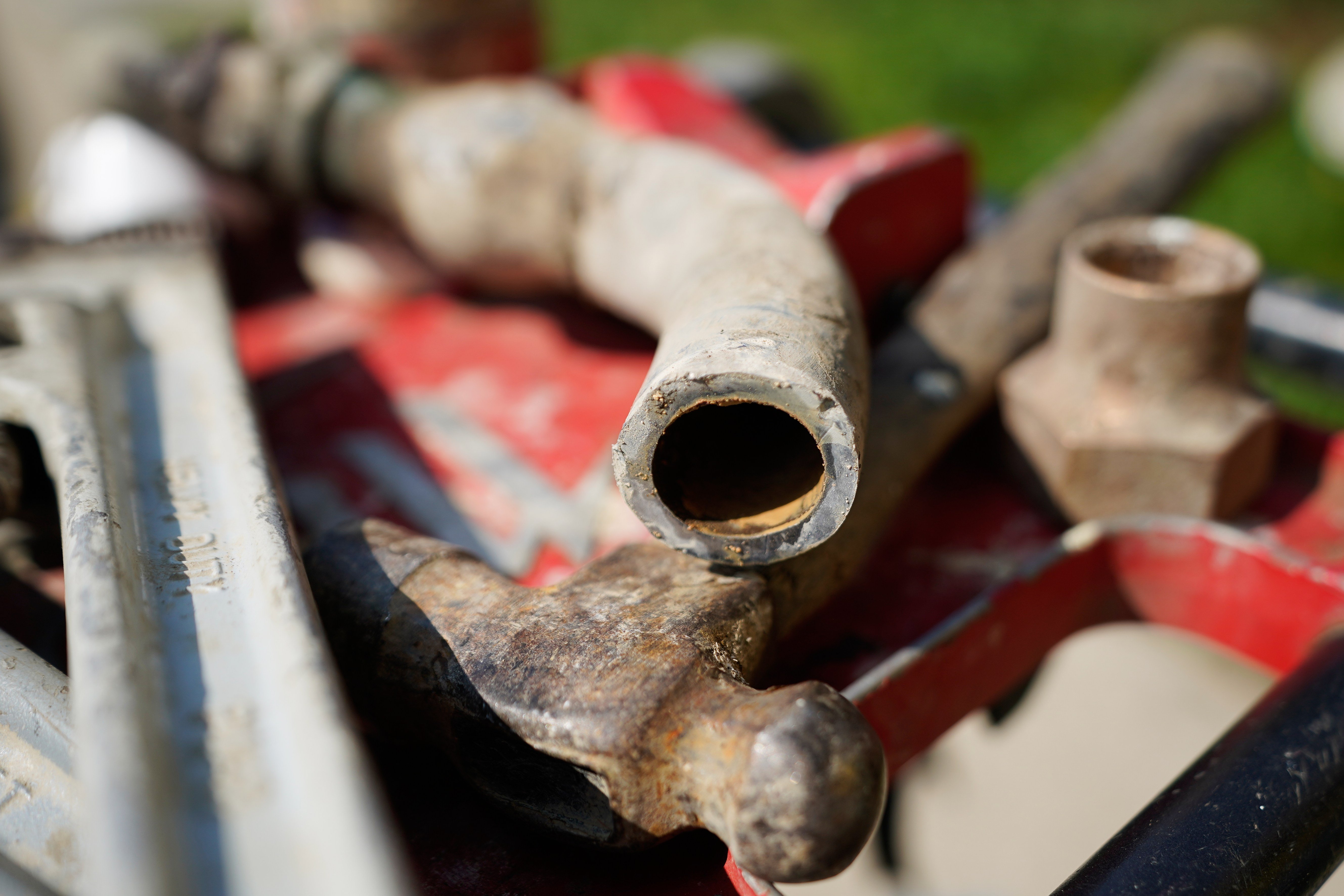
As the nation observes National Lead Poisoning Prevention Week, fresh data underscores a persistent public health crisis: lead-contaminated drinking water still flows to approximately 2.17 million Americans. These affected systems stretch from the Midwest to the Pacific Northwest, including communities in Illinois, Pennsylvania, Texas, and Oregon.
Lead service lines—the pipes connecting water mains to homes—remain the primary culprit. For children, even low-level exposure can impair brain development, learning, and behavior, with lifelong consequences. Adults face heightened risks of hypertension, kidney damage, and reproductive issues. There is no safe threshold for lead in drinking water.

Funding gap leaves communities short
The Infrastructure Investment and Jobs Act allocated $15 billion over five years for lead service line replacement, but the total cost is estimated between $50 billion and $80 billion. With at least 4 million lead lines still in operation, the funding shortfall is substantial. A recent analysis by the Protect Kids From Lead Coalition pegs the annual gap at $617 million, a figure that threatens to stall progress just as dedicated federal dollars begin to taper off.
Without additional federal support, the financial burden could shift to families through higher water bills, a regressive outcome that disproportionately affects low-income communities. The EPA's Lead and Copper Rule Improvements, finalized in October 2024, mandate a 10-year replacement timeline for most systems—a deadline that requires identifying pipes, planning projects, coordinating with property owners, and executing construction, all of which demand sustained investment.
Health and economic benefits
Replacing lead pipes delivers more than just safer water. Research from Michigan, cited in a recent white paper, estimates $3.24 billion in future benefits from statewide replacement, including reduced lead exposure for more than 420,000 newborns. Preventing exposure can spare children and communities the lasting developmental and cognitive damage associated with lead.
While replacement work is underway, families need interim protections. Because pipe replacement can temporarily spike lead levels, certified lead-reducing filters are a critical stopgap. Expanding access to these filters—particularly in schools and child care facilities—is an immediate priority.
Congressional action needed
The Trump administration has touted its efforts, including hands-on assistance to over 100 communities and guidance on replacement requirements, as part of the EPA's 100 actions to protect children's health. But advocates argue that more is needed. The Protect Kids From Lead Coalition urges Congress to boost funding for the Drinking Water State Revolving Loan Fund, the Reducing Lead in Drinking Water Program, and the Voluntary School and Child Care Lead Testing and Reduction Program in the next appropriations cycle.
Lawmakers should also advance proposals to establish a federal filtration pilot program and expand point-of-use filters in educational settings. These investments would complement existing federal, state, and local efforts, ensuring that no community is left behind.
National Lead Poisoning Prevention Week is a moment for awareness, but awareness must translate into action. The EPA has provided funding, technical assistance, and guidance. Congress and the administration must now ensure communities have the resources to finish the job. Parents across the country deserve confidence that the water flowing from their taps will not harm their children. Reducing lead exposure requires both immediate protections and long-term infrastructure improvements. The nation has made meaningful progress, but completing the work demands sustained investment.
Every child deserves safe drinking water, and every community should have a fair chance to deliver it. The EPA's broader water safety agenda remains under scrutiny, and Senate Democrats are pressing the administration on related environmental health issues. The path forward is clear: close the funding gap, replace the pipes, and protect the next generation.