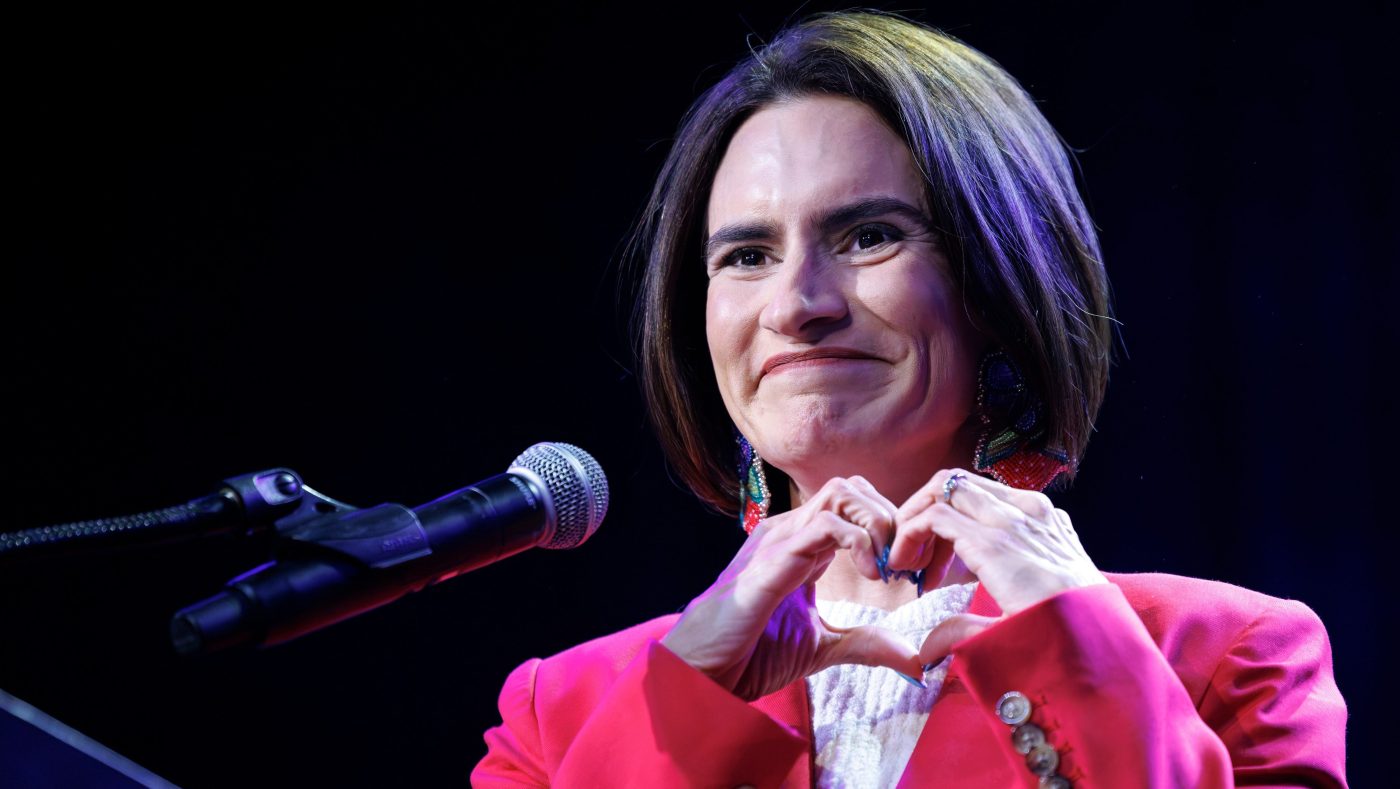
Tuesday's primaries delivered a mixed verdict on the progressive movement's electoral strength. In Wisconsin, Milwaukee County Executive David Crowley defeated democratic socialist Francesca Hong in the gubernatorial primary, defying pre-election polls that showed him trailing by double digits. The result was a notable setback for the left, which had poured resources into Hong's campaign.
But progressives rebounded in other contests. In Minnesota, Lieutenant Governor Peggy Flanagan beat centrist Representative Angie Craig for the Democratic Senate nomination, a win that bolstered the party's progressive wing in a key battleground state. Meanwhile, in Connecticut, 14-term incumbent John Larson lost his primary to challenger Bronin, marking the latest defeat of a veteran lawmaker by a younger, more progressive opponent.
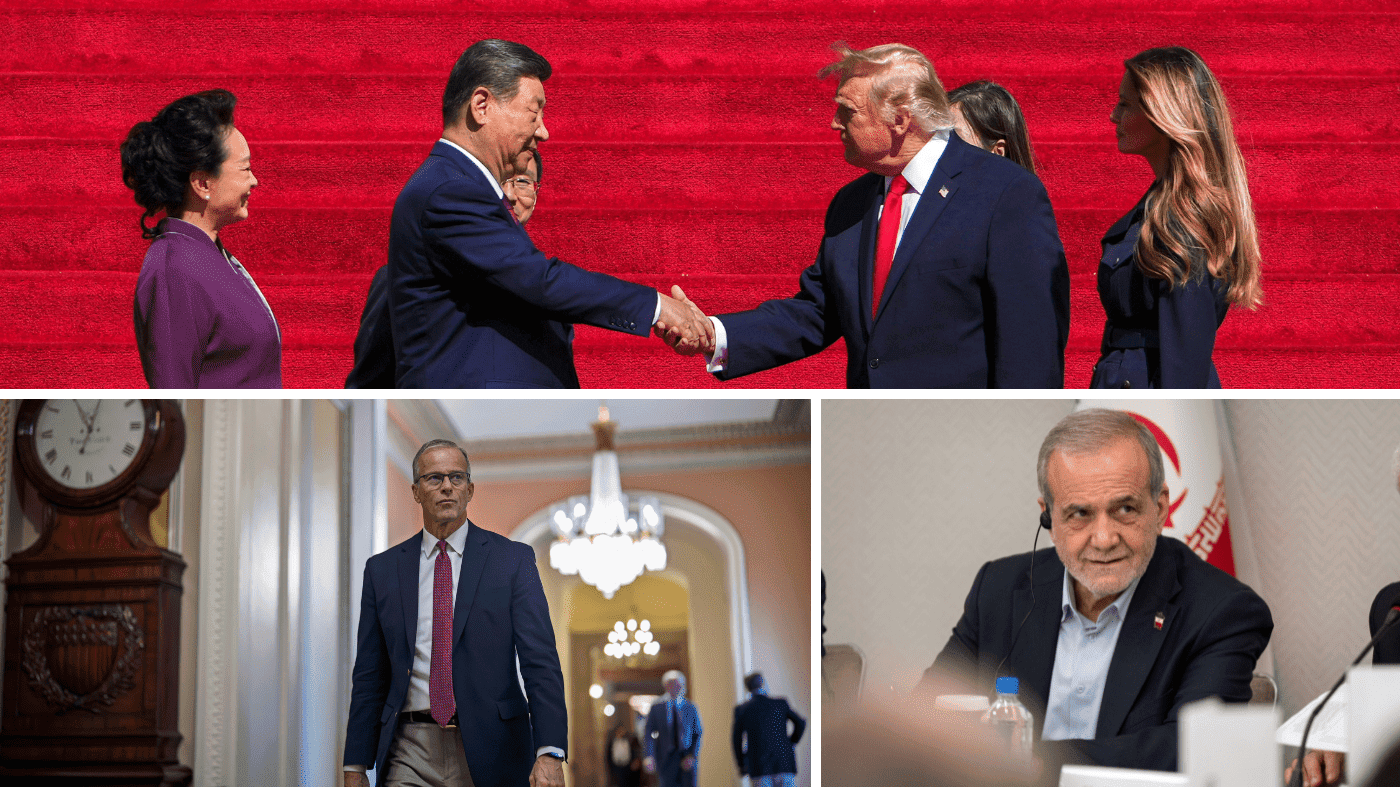
The night also set up a competitive Republican Senate runoff in South Carolina between Senator Darline Graham and Representative Ralph Norman, scheduled for August 25. Both candidates are vying to represent the GOP in a state that remains solidly Republican but has seen internal divisions between establishment and Trump-aligned factions.
On the economic front, the Labor Department reported Wednesday that the Consumer Price Index rose 3.4 percent in July from a year earlier, a slight cooling from June's 3.5 percent increase. The moderation was driven largely by falling gasoline prices, offering some relief to consumers and potentially easing pressure on the Federal Reserve to continue aggressive rate hikes.
President Trump began his day with meetings on policy, after greeting law enforcement and military personnel. In an interview Tuesday, he did not rule out declaring a national security emergency to take control of the November midterm elections, a statement that drew sharp reactions from both parties. Such a move would be unprecedented and likely face immediate legal challenges.
Defense Secretary Pete Hegseth traveled to Panama on Wednesday for talks, while other administration officials held a press conference addressing homelessness and addiction. These events underscore the administration's focus on domestic issues ahead of the midterms, even as Trump continues to test the boundaries of executive authority.
In other primary results, Mike Lindell disputed his Minnesota GOP gubernatorial primary loss, vowing to challenge the results until every vote is counted. The race was called for state senator Mary Demuth, a Trump-endorsed candidate, but Lindell's legal team has signaled a potential recount or lawsuit.
Wisconsin's 7th District saw Alfonso clinch the GOP nomination, while the 3rd District is set for a rematch between Van Orden and Cooke. In Minnesota's open 2nd District, Little won the Democratic nod, and Swanson took the 8th District primary, setting up a general election battle against Republican incumbent Stauber.
Tuesday's outcomes suggest a party still wrestling with its ideological direction. While progressives celebrated victories in Minnesota and Connecticut, the Wisconsin loss serves as a reminder that their influence, while growing, is not yet hegemonic. With the midterms just months away, both factions will be watching closely to see which momentum carries into November.