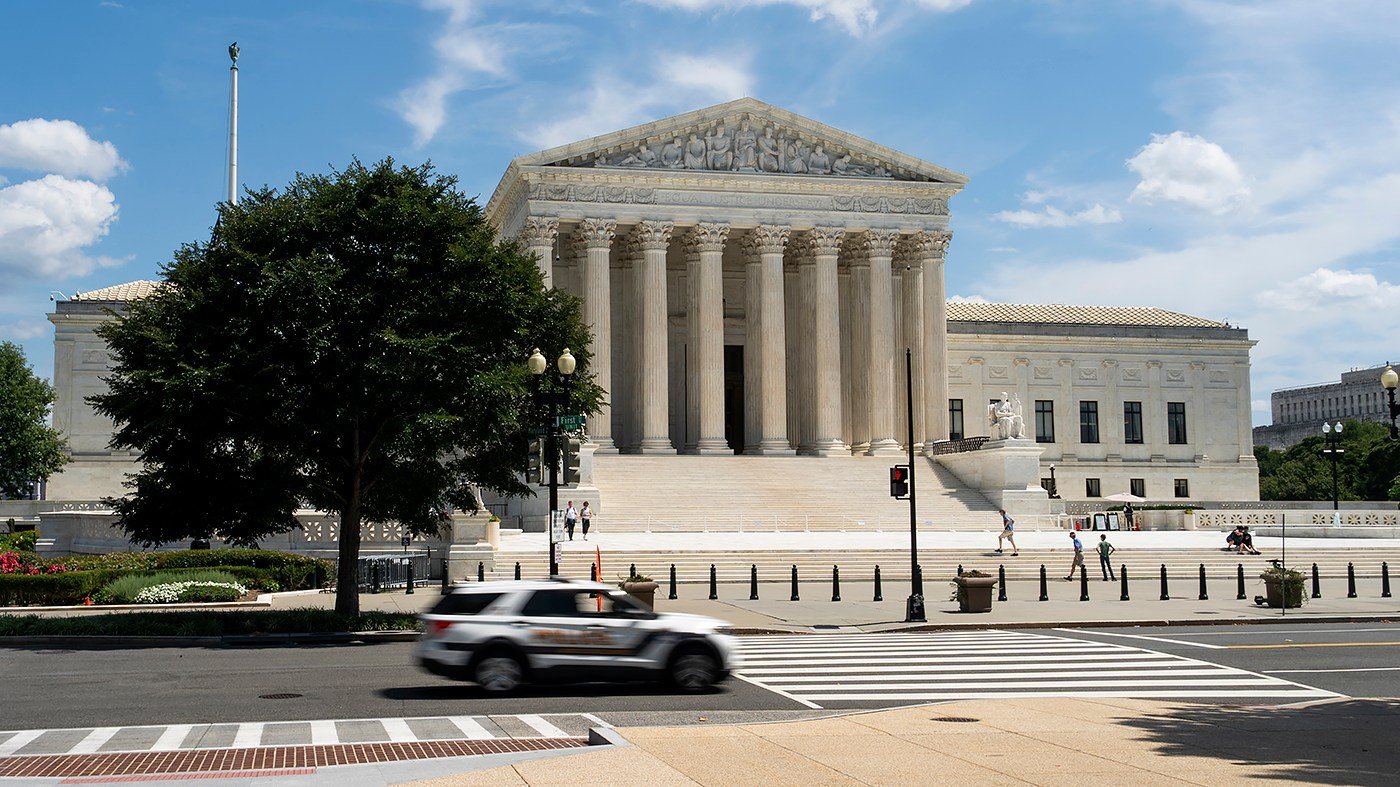
The Supreme Court is being asked to settle the contentious question of who gets to regulate prediction markets, as New Jersey formally petitioned the justices this past week. The move comes amid a growing split among federal appeals courts, raising expectations that the high court may soon intervene in the multibillion-dollar industry.
The Trump administration is pushing to keep prediction markets under federal oversight, a position backed by major platforms like Kalshi and Polymarket. But a bipartisan coalition of states argues these platforms are essentially gambling operations and should be subject to state regulation, just like casinos and sportsbooks.
“It’s not just blue states or Democrats who are being opposed by the Trump administration. It’s really a states’ issue,” said Dylan Hedtler-Gaudette, acting vice president of policy and government affairs at the Project on Government Oversight.
The dispute has created a high-stakes battle involving casino operators, Native American tribes, and federal regulators, with trading volume on prediction markets surging. At the center is whether Congress gave the Commodity Futures Trading Commission (CFTC) exclusive authority over these markets when it granted the agency oversight of “swaps” on registered exchanges.
New Jersey’s petition to the Supreme Court follows a 2-1 ruling by the U.S. Court of Appeals for the 3rd Circuit, which blocked the state from enforcing its sports gambling laws against Kalshi, saying the platform likely falls under CFTC jurisdiction. But in a conflicting decision, the 9th Circuit last week sided with Nevada regulators, allowing the state to regulate Kalshi’s sports contracts.
“Together, the two decisions mean the issue will probably head to the Supreme Court,” said a source close to the litigation. “But it’s more of a mess than it ever was because they’re agreeing on some things and they’re disagreeing on others.”
Legal observers say the justices may eventually feel compelled to step in, but some question whether New Jersey’s case is the right vehicle. “I think, ultimately, the Supreme Court will probably want to see a little bit more of the social impact of this,” said Howard Fischer, a partner at Moses Singer and a former Securities and Exchange Commission prosecutor.
States argue they are better equipped than the CFTC to regulate these markets. “Rather than have dedicated departments in every state with 10, 20, 30 or more people, you’re going to have one, or two, maybe, people at the federal level who may or may not be former employees of the prediction markets,” Fischer said.
The political stakes are high. Forty-four state attorneys general signed a comment letter to the CFTC this summer, arguing the agency lacks authority over sports bets on prediction markets. The letter, which drew support from both red and blue states, said the CFTC “has long understood that States are best positioned to regulate gambling. But today, the CFTC has changed course at breakneck speed.” Only six states—Florida, Georgia, Missouri, New Hampshire, North Dakota, and Texas—did not join the letter.
The fight also has a personal dimension for the Trump family: Donald Trump Jr. has a financial stake in Kalshi and serves as a strategic adviser. The president has publicly backed CFTC oversight, putting many Republican-led states at odds with the administration.
Fischer noted that states rely on gambling tax revenue, making the issue particularly sensitive. “If that is going to be taken away from the states, no state attorney general or governor—no matter what their political leanings—wants to lose some component of their budget,” he said.
As the case moves forward, Kalshi has declined to let customers bet on its own Supreme Court outcome, a voluntary move, according to a source. Polymarket, however, is offering wagers on whether the high court will take up a sports contract case by year’s end. The justices are expected to consider New Jersey’s petition at a closed-door conference when they return for the new term in a few weeks.
This legal battle comes as the Trump administration renews its Supreme Court push on other fronts, and as states like Missouri seek Supreme Court intervention in redistricting. The outcome could reshape how political and sports betting are governed nationwide.