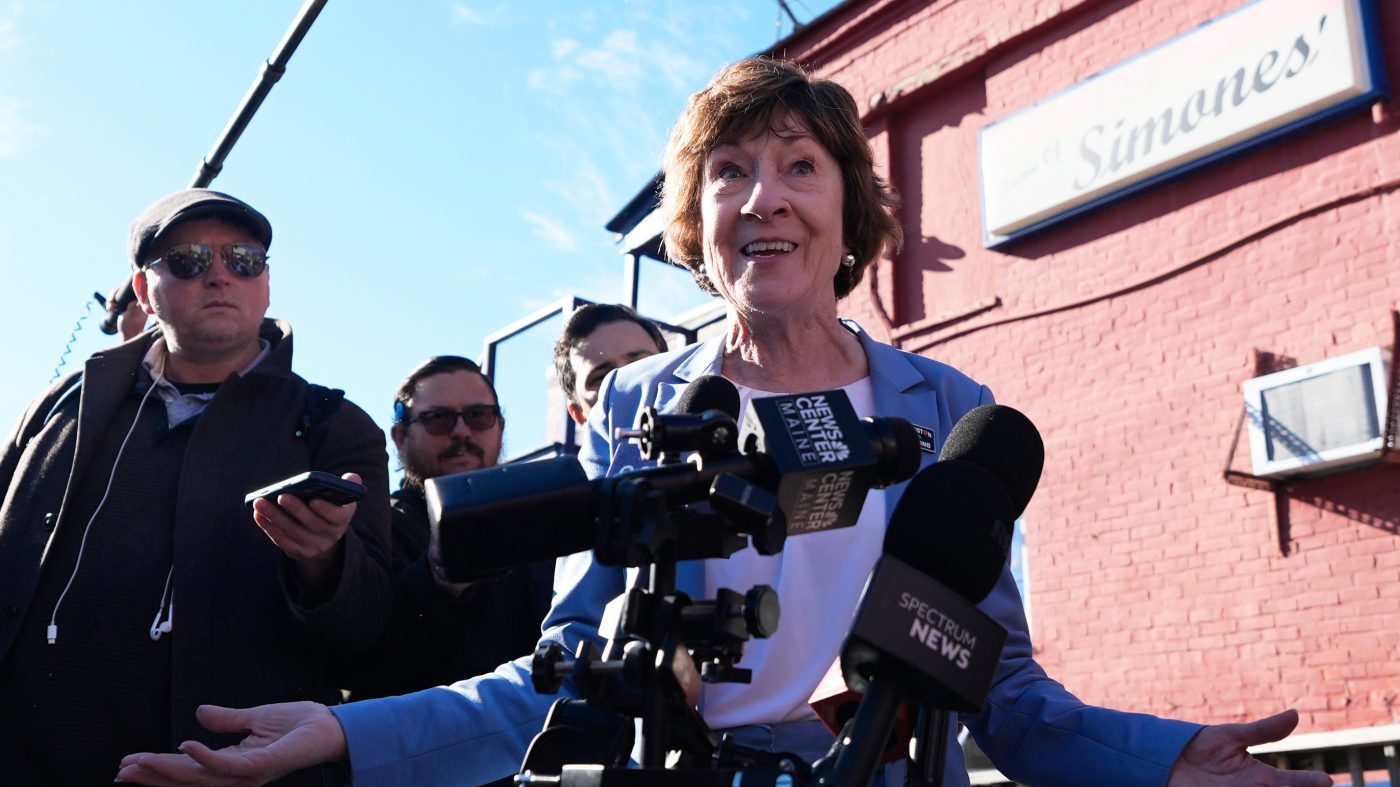
Sen. Susan Collins (R-Maine) secured a significant trade concession on Friday, announcing that nine categories of Canadian products essential to Maine's agricultural sector will be exempt from U.S. tariffs. The move, confirmed by her office, covers items such as paperboard cartons, plastic boxes, refrigeration equipment, agricultural cleaning and sorting machinery, packing and wrapping machinery, and seaweed and algae products.
Collins, who has been a vocal critic of the administration's tariff policy, framed the exemptions as a necessary relief for local farmers and growers. "Many of our farmers and growers rely on specialized equipment, packaging materials, and other products from Canada that are either unavailable from American suppliers or cannot be replaced without incurring significant expense," she said in a post on X. She added that she had pressed the case in "repeated conversations" with Ambassador Greer, Secretary Lutnick, and other senior administration officials, and pledged to continue seeking additional relief and a broader trade agreement with Canada.
The White House confirmed the action, with spokesman Matthew Middleton stating that President Trump signed a proclamation Friday "further refining the scope of the tariffs on certain Canadian products previously announced on July 20, 2026 and modified on September 8, 2026." Middleton framed the move as a response to "Canada's continued discrimination against and additional retaliation targeting U.S. commerce," with the goal of protecting American farmers, manufacturers, and workers.
This is not the first tariff reprieve Collins has won for Maine. In September, she announced exemptions for road salt and cement after sending a letter detailing the economic strain on local communities. She cited the example of Frenchville, a small border town, which would face $10,000 in extra costs for road salt, and a ready-mix cement company owner who said his firm would pay an additional $150,000 per month.
Collins has been a persistent critic of the broader tariff strategy. In late August, she decried the imposition of sweeping 50 percent tariffs on $20 billion worth of Canadian goods after trade talks collapsed, a move that prompted Canadian Prime Minister Mark Carney to promise "dollar-for-dollar" retaliation. She reiterated her opposition when the administration threatened additional duties set to take effect on Jan. 1, 2027, saying, "I still think imposing new tariffs on Canada is a mistake."
The announcement comes less than two weeks before the midterm elections, where Collins faces a formidable challenge from Democrat Troy Jackson, a former state lawmaker. Recent polling from Decision Desk HQ gives Jackson a 55 percent chance of unseating the incumbent Republican, a race that has become a focal point in the fight for Senate control. The tariff issue has emerged as a key midterm issue, with voters increasingly concerned about trade policy's impact on local economies. Collins's efforts to shield Maine from the fallout may bolster her standing, though her opponent has been quick to criticize her overall record on trade.
Jackson, who has been aggressive in debates, has sought to tie Collins to the administration's tariff policies despite her objections. The race has turned heated, with Jackson telling Collins to "shut up" during a recent debate, a moment that has gone viral. Collins, meanwhile, has defended her votes on other contentious issues, including her support for RFK Jr. and her failed opposition to Hegseth, as she tries to navigate a tough political environment.
The tariff exemptions are a clear political win for Collins, but whether they will be enough to sway voters remains uncertain. As the campaign enters its final stretch, both candidates are hammering home their messages on trade, the economy, and the future of Maine's agricultural industries.