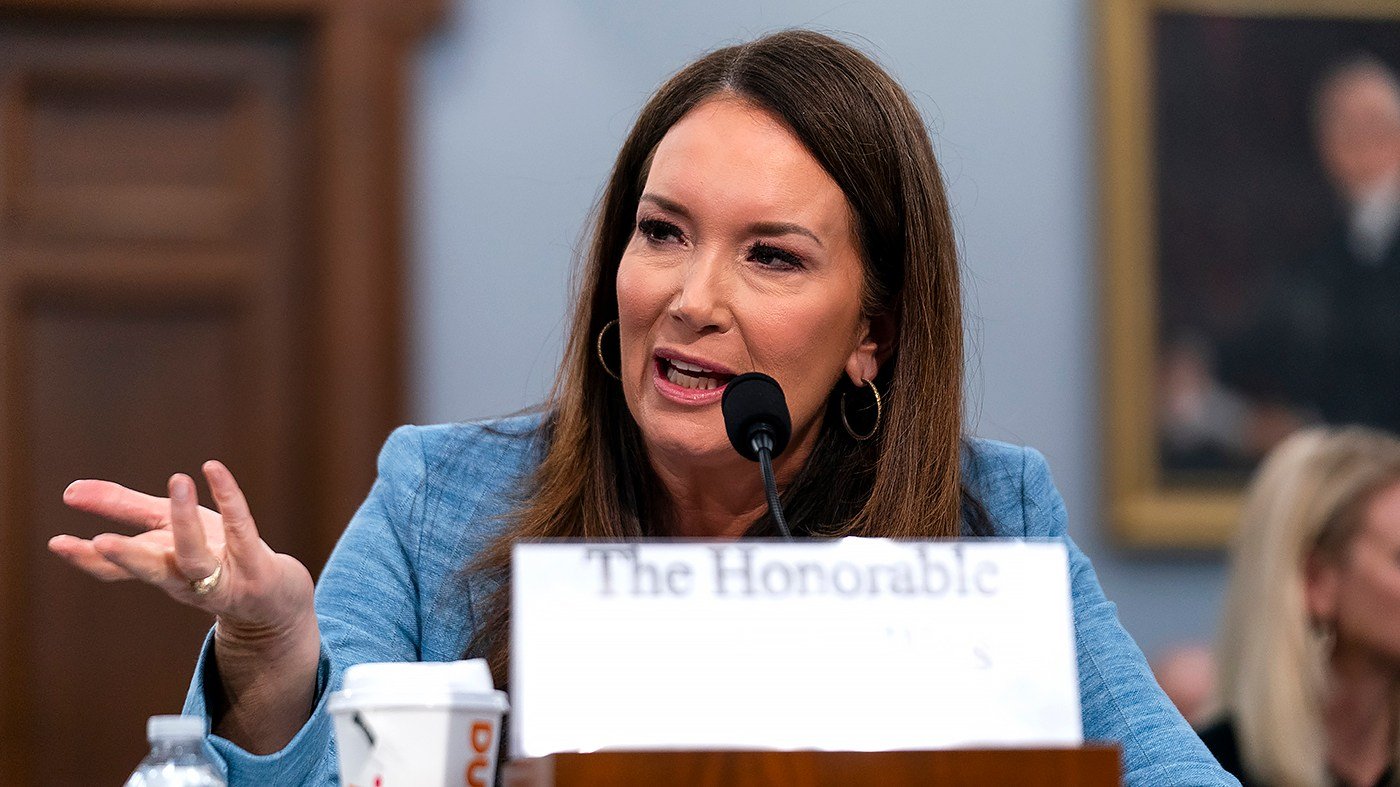
Agriculture Secretary Brooke Rollins on Thursday doubled down on the Trump administration's push to overhaul the U.S. Forest Service, even as a federal judge has temporarily blocked the effort. Speaking to reporters on a media call, Rollins said the administration is “full-bore ahead” with the reorganization, asserting that the changes are needed to bring the agency closer to the communities it serves.
“We believe in it more today than we ever have — taking the USDA to our constituents, which is rural America, the Forest Service out West,” Rollins said, according to The Associated Press. The proposed plan includes relocating the agency’s headquarters from Washington, D.C., to Salt Lake City, closing 23 research stations, and replacing regional offices with state-based operations.
The announcement has drawn praise from Utah’s Republican governor, Spencer Cox, who called the move “a big win for Utah and the west” when the plan was first unveiled in late March. “Everyone who depends on our public lands, from hikers and campers to ranchers and timber producers, will benefit from this change,” Cox said. “Moving away from a regional model to a more state-focused approach strengthens federalism and helps the Forest Service do its job more effectively.”
However, the restructuring faces significant legal obstacles. In an October 13 order, U.S. District Judge Vince Chhabria, an Obama appointee, halted the reorganization amid a lawsuit filed by federal employee unions, environmental groups, and local officials. The plaintiffs argue that the plan is part of a broader effort to shrink the federal workforce, as many Forest Service employees would be forced to relocate or lose their jobs.
In his ruling, Chhabria wrote that the planned spending on reorganization activities “almost certainly” violated congressional restrictions on the agency’s funds. “Congress did not contemplate [the Agriculture Department] using its appropriated funds to shut down offices or relocate employees,” the judge stated. “To the contrary, Congress was actively working to restrict the agency’s ability to do so.”
The National Federation of Federal Employees (NFFE), one of the plaintiffs, hailed the ruling as a “welcome reprieve.” NFFE President Randy Erwin said in a statement, “The agency’s mission, along with the critical services provided by NFFE-IAM members at the U.S. Forest Service, is far too critical to be damaged by the Trump Administration. This reckless and unlawful plan threatened that mission, and we are pleased to see the court agrees.”
The administration is also seeking to shift the Forest Service’s firefighting duties to a new Wildland Fire Service, a move that Congress has so far blocked. This effort echoes a similar relocation during Trump’s first term, when the Bureau of Land Management’s headquarters was moved from D.C. to Grand Junction, Colorado, leading to a wave of vacancies. The Biden administration later moved it back to the capital.
As the legal battle continues, the future of the Forest Service remains uncertain. The administration’s determination to push forward, despite the court’s intervention, underscores the high stakes for the agency’s workforce and the public lands it manages. The outcome could set a precedent for how federal agencies are restructured in the future. For now, the reorganization is on hold, but the political and legal fight is far from over.