The involvement of left-wing streamer Hasan Piker in Abdul El-Sayed's Michigan Senate campaign has injected a new dynamic into the Democratic push for a Senate majority. Piker, known for his progressive commentary and large online following, has been mobilizing young voters for El-Sayed, but his polarizing presence has also sparked internal party debate about the best path forward in a critical battleground state.
Democratic strategists are split on whether Piker's appeal to younger, more progressive voters outweighs the potential backlash in a state where moderate voters may be decisive. "It's a double-edged sword," said one Democratic operative familiar with Michigan politics. "He brings energy and digital reach, but he also gives Republicans ammunition to paint El-Sayed as too far left."
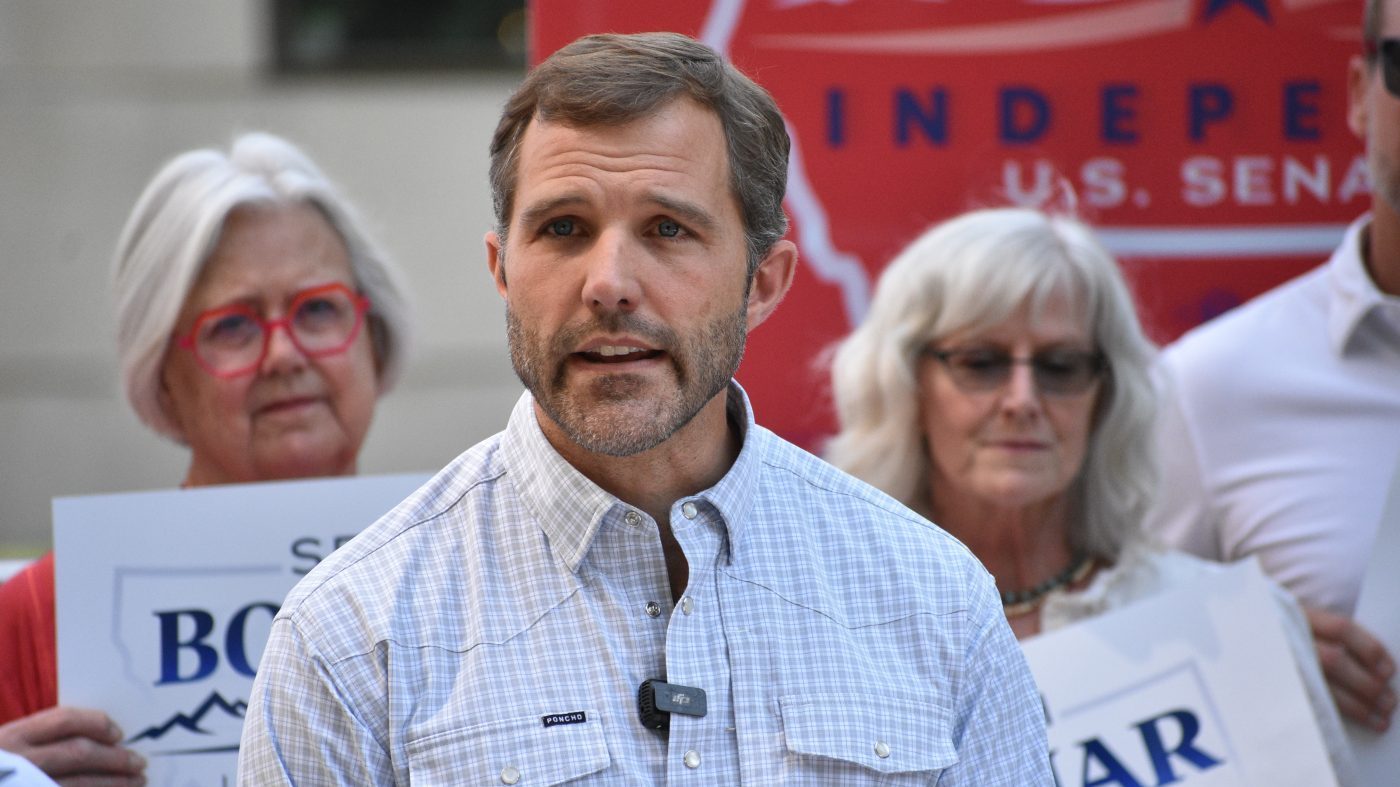
El-Sayed, a former state health director, has sought to focus his campaign on economic populism and healthcare access, but the Piker connection has occasionally overshadowed his message. The El-Sayed campaign has not commented on Piker's specific role, but recent reports suggest the candidate has been careful about joint appearances, mindful of the controversy Piker has generated in the past.
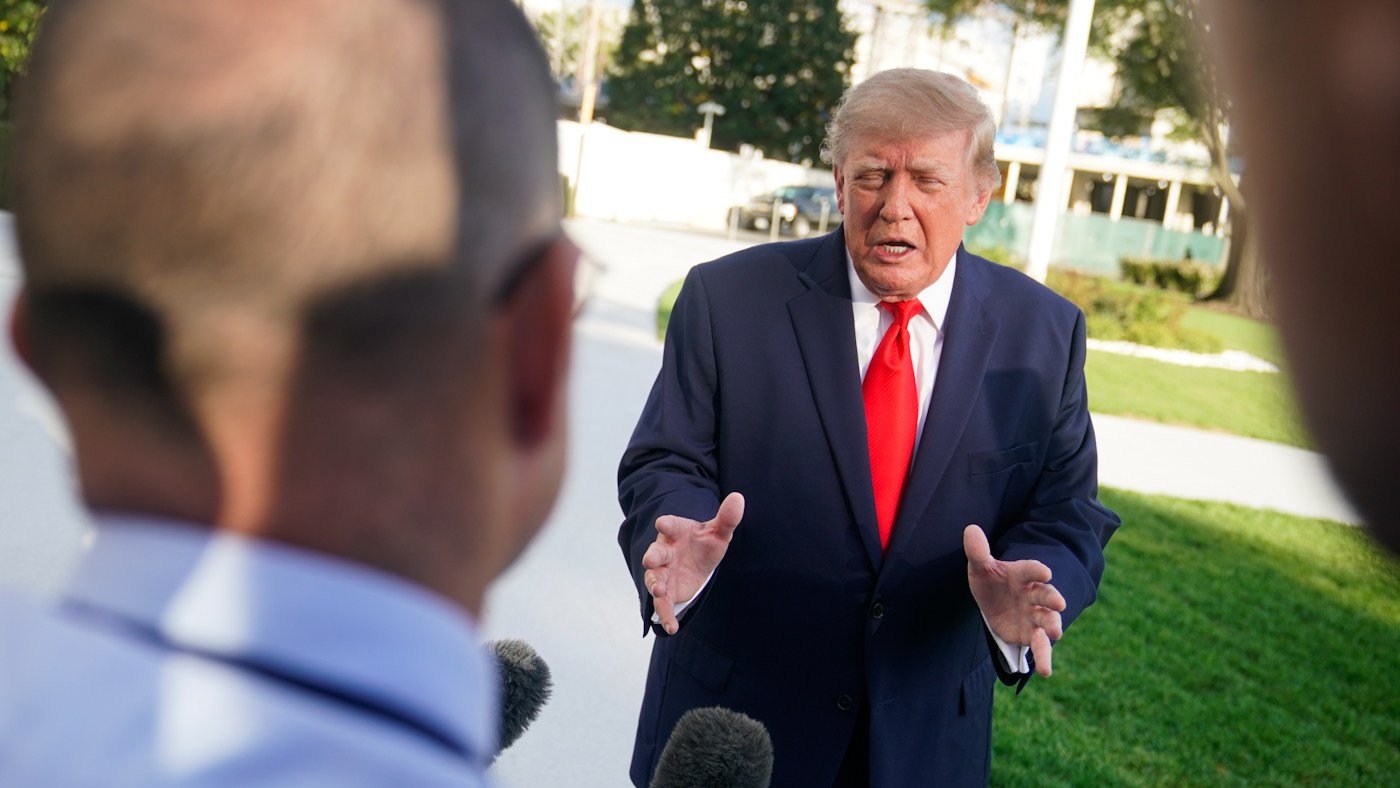
Meanwhile, in Texas, President Trump's decision to hold a fundraiser for Attorney General Ken Paxton, who is seeking the GOP Senate nomination, provides a clear signal of the former president's influence in the race. Paxton, facing legal challenges of his own, has aligned himself closely with Trump's agenda, and the fundraiser underscores the importance of Trump's endorsement in a crowded primary field.
Texas remains a long-shot for Democrats, but recent polling in key House races suggests the state is becoming more competitive. Democrats are hoping that a strong turnout in urban and suburban areas could make the Senate race closer than expected, though the state's Republican lean remains formidable.
Adding to the midterm landscape, new polling indicates that Republicans could put New Hampshire in play. The state, which has trended Democratic in recent cycles, is now seen as a potential pickup opportunity for the GOP, driven by concerns over the economy and President Biden's approval ratings.
The Senate map is already challenging for Democrats, who are defending several seats in red-leaning states. The addition of New Hampshire as a competitive race would stretch their resources even thinner. As the party balances progressive energy with moderate appeal, the voters' trust on cost-of-living issues could be a decisive factor in these contests.
Democratic leaders are also watching the foreign policy stances of their candidates, as issues like Israel have become flashpoints in primaries. For El-Sayed, who has been critical of Israeli policy, Piker's past remarks on the conflict have added another layer of scrutiny.
The interplay of these dynamics is likely to shape the final months of the campaign. With control of the Senate hanging in the balance, every strategic decision—from who campaigns with whom to which states get the most attention—carries significant weight.
For now, Democrats are hoping that a focus on kitchen-table issues, such as healthcare and the economy, will resonate with voters, even as the party navigates the complexities of its progressive wing. Republicans, meanwhile, are betting that tying Democratic candidates to controversial figures like Piker will help them in key states.