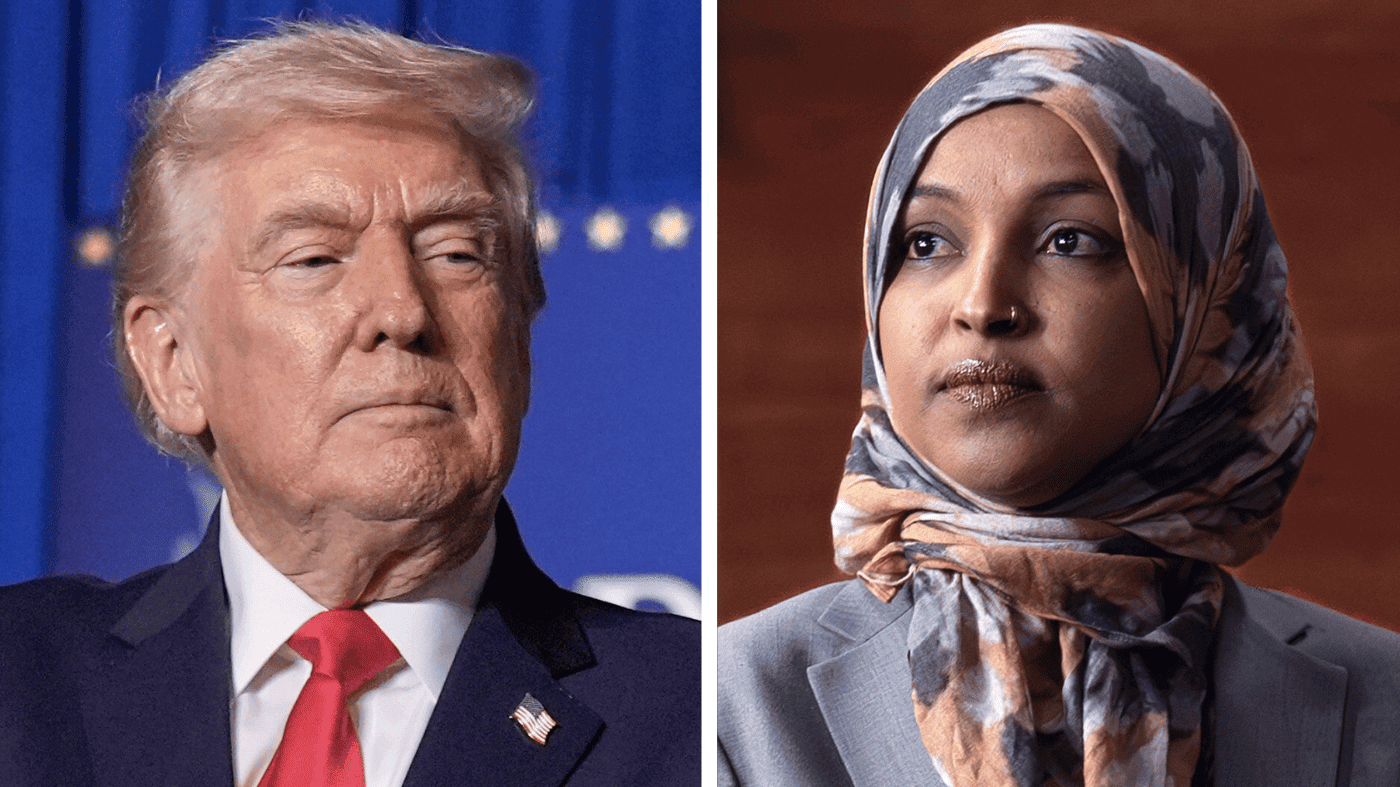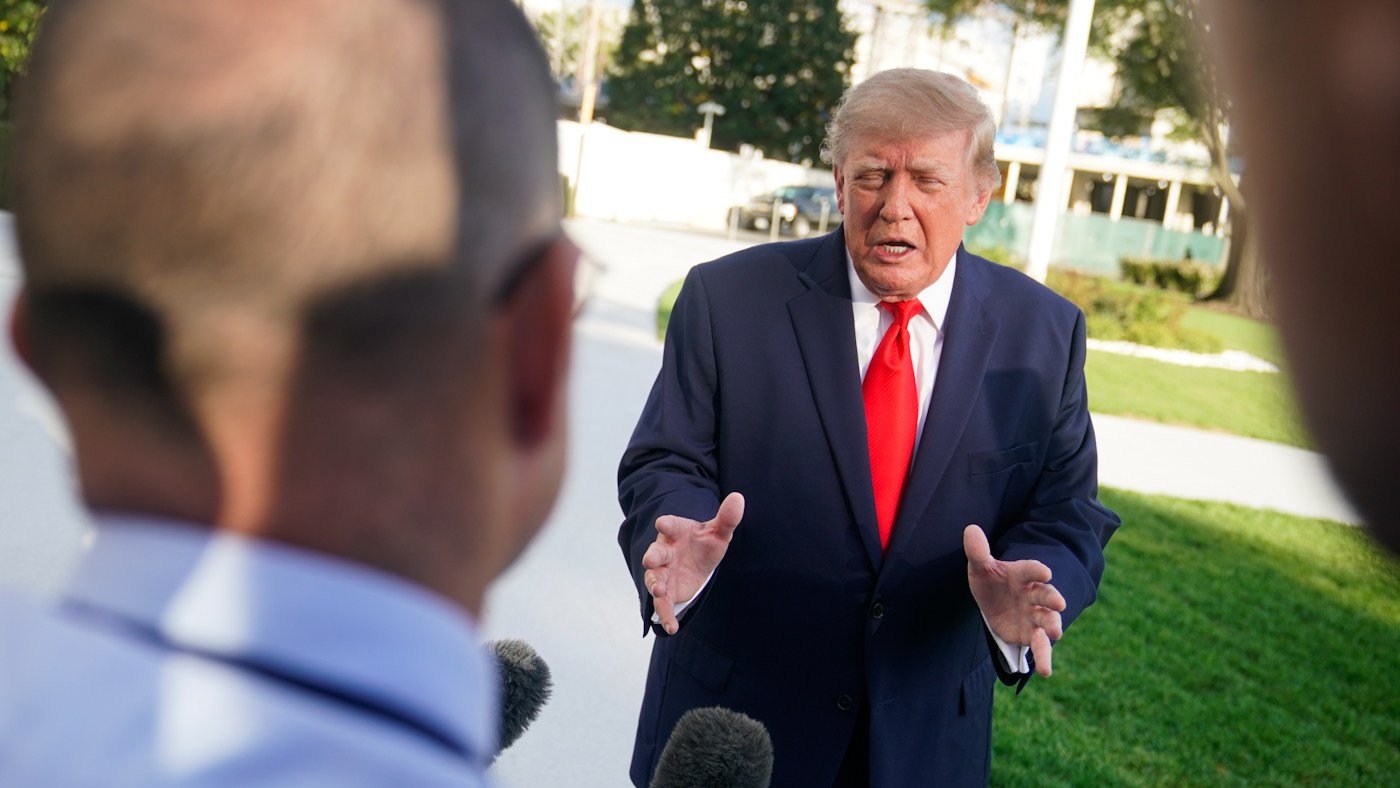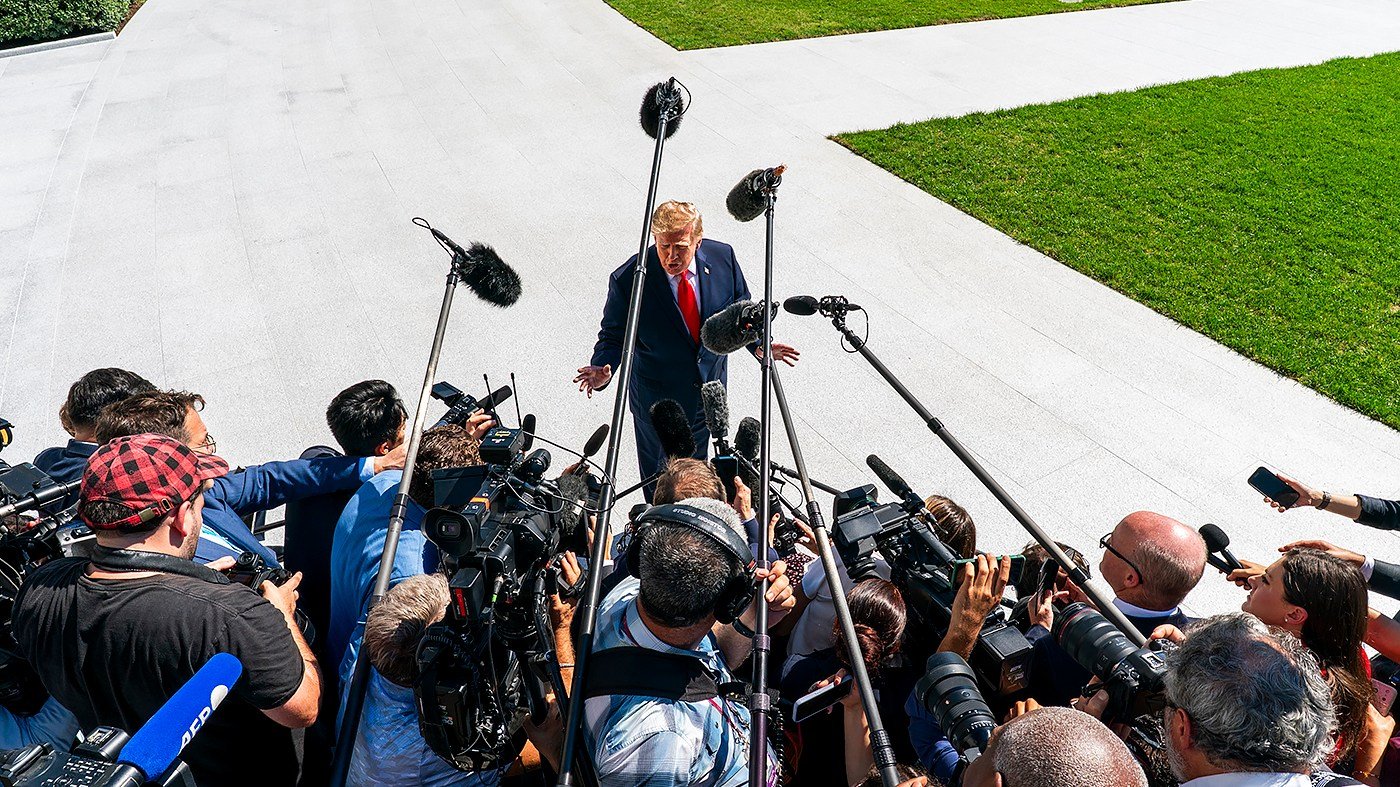
The Justice Department has launched an antitrust investigation into the five major television networks—NBC, ABC, CBS, CNN and Fox News—over their brief refusal last month to provide pooled coverage of President Trump's daily activities, according to an announcement that caught Washington off guard.
The probe centers on whether the networks' coordinated decision to suspend pool duties violated the Sherman Act, a century-old law aimed at preserving market competition. The DOJ described the networks' action as a "group boycott among commercial competitors" and said it is "simply investigating to determine whether these news organizations have violated the antitrust laws."
The boycott was a direct response to the White House's decision to bar CNN and two other outlets from covering the president, a move that prompted the networks to issue a joint statement declaring that "no administration should restrict a news organization because it objects to its reporting." Although a federal judge ordered the ban lifted two weeks later, the White House has continued to block CNN from participating in the pool rotation, including on two occasions when it was the network's turn to travel with the president.
The pool system, a longstanding arrangement in which a rotating group of reporters shares audio and video coverage with dozens of other outlets, is designed to reduce costs and expand access. The administration's hardline stance has already sparked legal battles, with U.S. District Judge Timothy Kelly, a Trump appointee, set to rule this week on whether the White House's exclusion of CNN violates the First Amendment.
Trump officials have argued that journalists do not have a constitutional right to access certain White House spaces, a theory they also used to punish the Associated Press last year over its refusal to adopt the administration's preferred name for the Gulf of Mexico. The president has repeatedly accused the networks of spreading "fake news" and asserted a "right" to "clear out" critical coverage, even after the court order.
Antitrust and press freedom experts are skeptical of the DOJ's legal theory. William Kovacic, former chairman of the Federal Trade Commission, told The Hill that prosecutors would need to prove the networks acted for commercial advantage, which he said is absent here. "It's not like they're trying to get better advertising rates or more subscribers or achieve measurable economic advantage," Kovacic said. "I see it as truly an expression of opposition to an effort by the government to control the news."
Seth Stern of the Freedom of the Press Foundation was more blunt: "Harming Trump's ego or his craving for attention is not a competitive harm redressable through antitrust law. I don't know whether they care so much if they lose in court. They're throwing spaghetti at the wall and hoping something sticks."
The investigation marks a significant escalation in the Trump administration's ongoing conflict with the national press corps. It also comes as the White House continues to face legal challenges over its treatment of journalists, including a recent judicial rebuke over park tree felling and Democratic accusations of pre-election retaliation in an unrelated raid. Meanwhile, Trump has shown a willingness to use government power against perceived enemies, as seen in his threats to cut Ukraine aid and his floating of renaming oceans.
Legal analysts widely expect the DOJ probe to face steep hurdles in court, given the First Amendment protections afforded to news organizations and the lack of evidence that the networks conspired for economic gain. But the investigation itself may serve as a warning shot to media outlets covering the administration, underscoring the mounting pressures on press freedom in Washington.