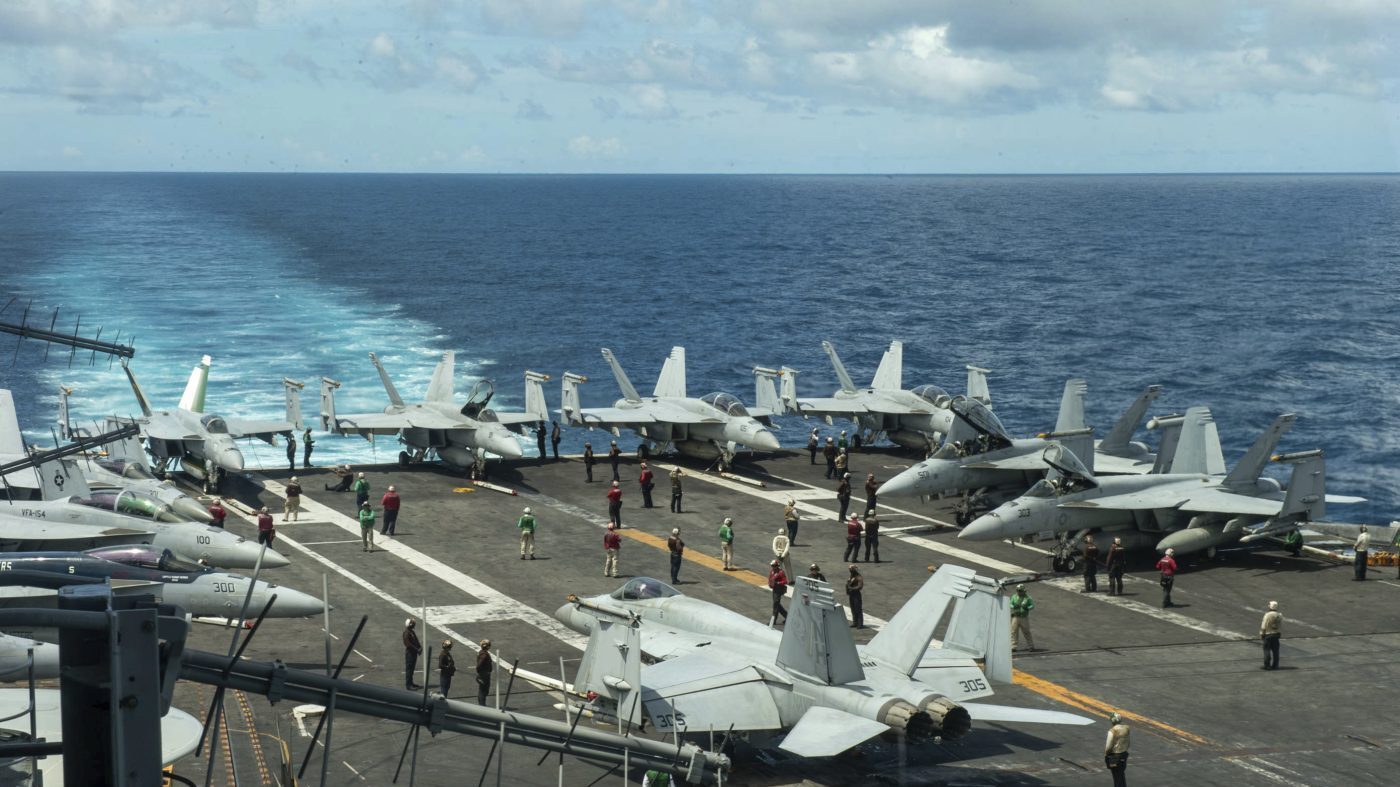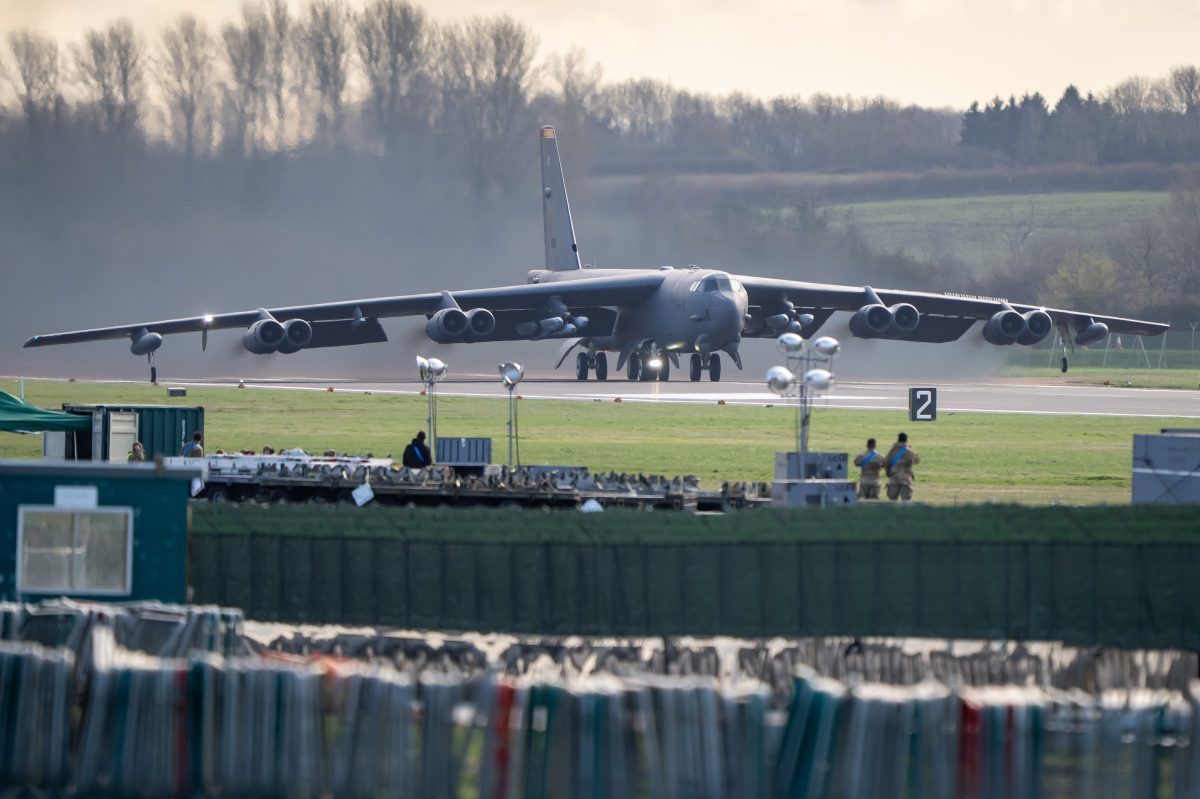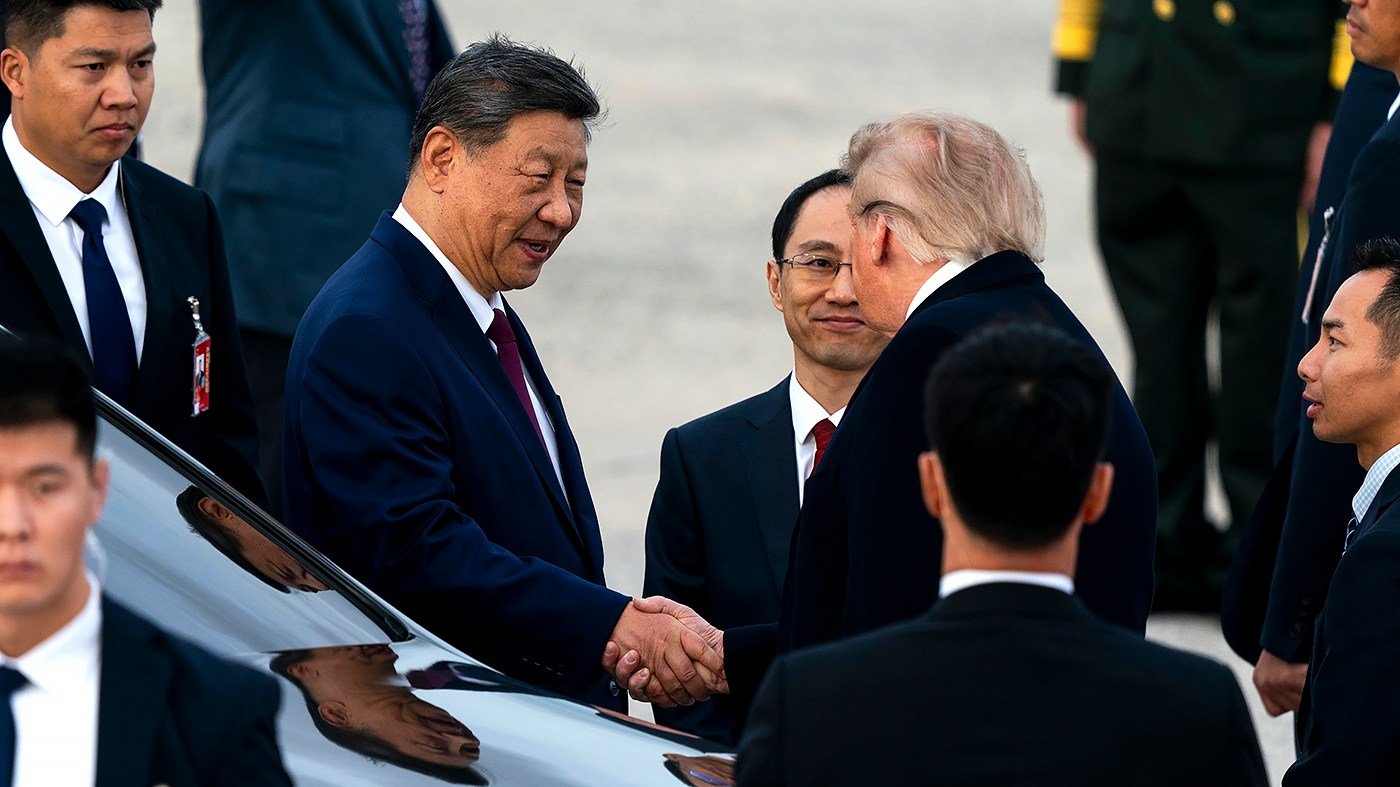
Ambassador to China David Perdue's recent suggestion that President Trump floated the idea of selling weapons to Beijing has ignited a fresh round of debate over Washington's stance toward its chief strategic rival. Perdue's comment, made during an interview, implied that Trump had asked Chinese President Xi Jinping if he would "like to buy some" U.S. military equipment. However, Trump on Monday flatly denied making any such offer, while analysts and former officials warned that even floating the notion would represent a seismic shift in decades-old U.S. policy.
The controversy comes as lawmakers and security experts in Washington increasingly view China as America's principal geopolitical and economic challenger. Under current law, U.S. arms sales to China are prohibited, and a U.S. official told The Hill that there are no active plans to reverse that stance. Craig Singleton, a senior fellow at the Foundation for Defense of Democracies, told The Hill that any such sale would require overcoming legal hurdles, raise serious concerns about transferring sensitive military technology to a competitor, and upend long-standing assumptions about Indo-Pacific security. But given the State Department's clarification that no offer or plan exists, Singleton suggested the remark is more revealing about Trump's worldview than about actual policy.
Lyle Goldstein, director of the Asia Program at Defense Priorities, offered a more nuanced view. He noted that in the 1980s, the U.S. sold Blackhawk helicopters and lightweight torpedoes to China, which helped the People's Liberation Army make significant advances. The Blackhawk sale, in particular, influenced the design of China's current Z-20 helicopter. Goldstein argued that while high-end systems like PAC-3 interceptors or Tomahawk missiles would be nearly impossible to sell, lower-end items might be conceivable if the two nations were to pursue mutual defense cooperation, given their economic interdependence and nuclear deterrence.
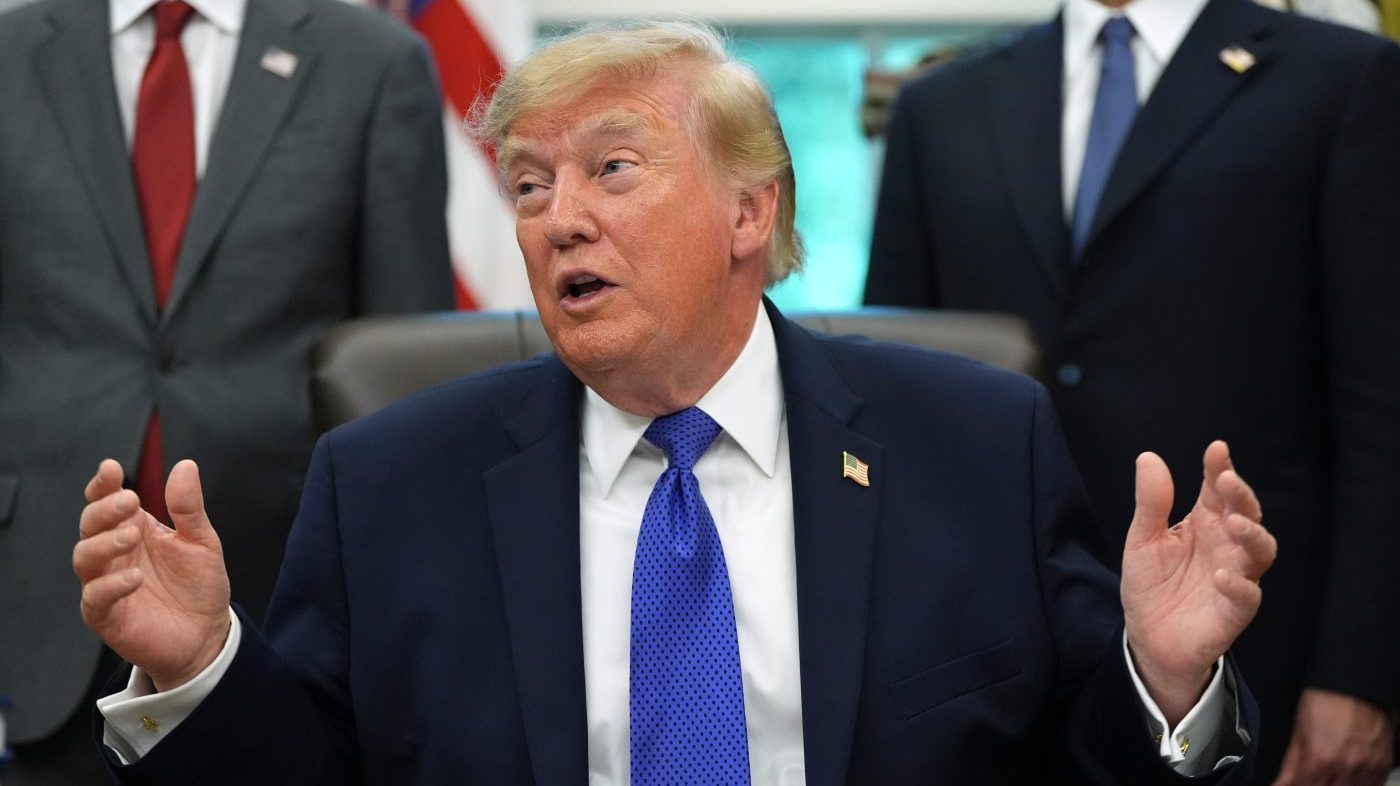
Trump, when asked about Perdue's comments, appeared caught off guard. "I never heard of that one," he told reporters, adding that he would need to ask his ambassador. He then mused, "They probably like to buy it because we do make better equipment than them. So maybe it's a good idea. But we didn't discuss it." Trump speculated that Perdue might have been referring to Taiwan in his remarks.
The potential for any such sale would likely unsettle U.S. allies in the region, including Japan, Taiwan, and the Philippines, all of which have ramped up defense spending amid rising tensions. The U.S. approved an $11 billion arms package for Taiwan last December, but a separate $14 billion package has been stalled for months, awaiting formal transmission to Congress. Acting Navy Secretary Hung Cao previously attributed the delay to the U.S. conflict with Iran.
Chris Estep, a former U.S. official and Indo-Pacific security expert at the Foreign Policy Research Institute, argued that the $14 billion Taiwan package deserves Trump's support. "There are many questions about this that only the President can answer. But there's one potential arms sale that's actually worth his support and also good for U.S. interests and that's the $14 billion package for Taiwan that has been stalled for almost a year," Estep told The Hill. He emphasized that as China continues its largest military buildup since World War II, Washington should be helping allies bolster their defenses rather than entertaining arms sales to Beijing.
Trump has previously acknowledged discussing the Taiwan weapons package with Xi, calling it a "very good negotiating chip." Perdue, for his part, stressed that Trump remains committed to the one-China policy and supports the Taiwan Relations Act. Prior to Xi's visit to Washington, Republican senators urged the administration to advance the Taiwan arms package, arguing that failing to provide key deterrent capabilities would undermine U.S. credibility in the Indo-Pacific.
Secretary of State Marco Rubio, who also serves as Trump's national security adviser, noted that U.S. arms sales to Taiwan are constrained by broader defense needs and industrial capacity. "People think... we view arm sales through the limited vacuum of the one particular place. A lot of this also involves balancing our industrial capacity and our military industrial base," Rubio said.
The episode underscores the uncertainty surrounding Trump's approach to China, with his off-the-cuff remarks often clashing with established policy. As the debate continues, U.S. allies and adversaries alike will be watching closely to see whether the president's words translate into action or remain mere rhetorical flourishes.