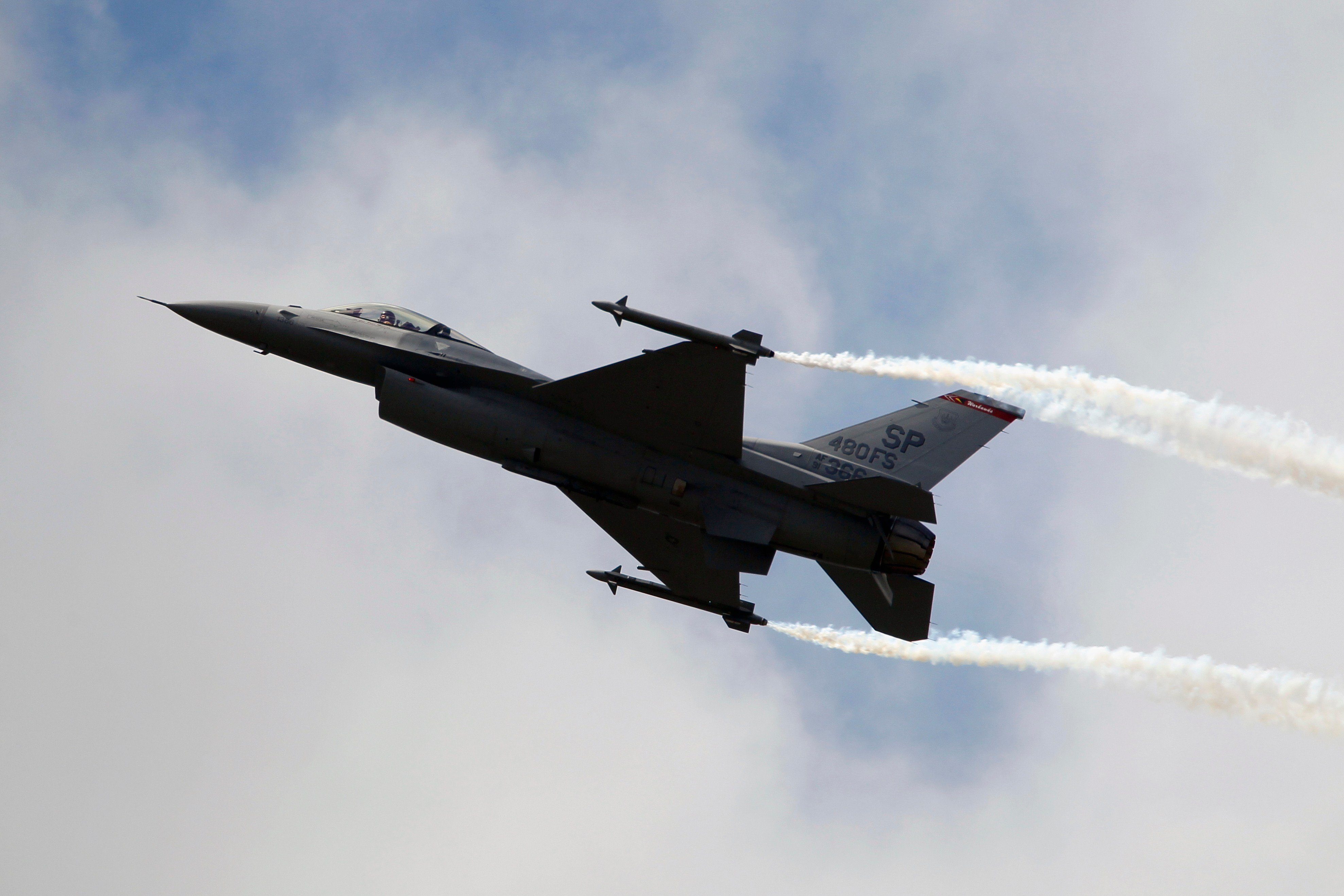
The Pentagon and Lockheed Martin have reached a preliminary agreement to produce at least 850 F-35 Lightning II fighter jets over the next decade, the Defense Department announced Thursday. The deal, which is not a formal order, is designed to stabilize production and reduce costs.
Under the arrangement, Lockheed will contribute at least $7 billion of its own funding toward initiatives supporting the F-35 program, according to a Pentagon statement. The company separately said it aims to manufacture 156 aircraft per year under the agreement.
The F-35, widely regarded as the world's most advanced fighter jet, has faced intense congressional scrutiny due to cost overruns and the steep price per unit. In 2017, then-President-elect Trump pressured Lockheed to significantly cut costs, which the company agreed to do.
Defense contractors have long argued that the traditional annual batch funding system, which requires yearly congressional appropriations, makes it difficult to keep production lines running smoothly. Lockheed said the new agreement removes the annual contracting cycle that has historically strained the industrial base, allowing bulk procurement of raw materials and critical parts, slashing turnaround times, and reducing logistics bottlenecks.
The Pentagon did not disclose the potential total value of the deal, which is labeled as a prearranged long-term contract and does not constitute an order. Execution depends on congressional authorization and appropriations. Lockheed noted that if multiyear authority and funding are granted in the coming months, the F-35 Joint Program Office and the company will work to finalize contract terms, pricing, and schedules through a formal contract award.
Lockheed said the deal is expected to save taxpayers billions over the F-35's lifecycle and estimates it will support 317,000 U.S. jobs and generate nearly $79 billion in annual economic activity over the next decade. Under Secretary of Defense Michael Duffey praised the agreement as a shift in stabilizing the defense industrial base, saying it aligns financial incentives with performance to ensure warfighters have the capabilities they need.
The deal covers the production of 850 jets, international orders, and initial spare parts and modification kits. It comes as the Pentagon faces broader budget pressures and ongoing debates over defense spending. The agreement also follows recent scrutiny of Pentagon contracting practices, including court-ordered changes to energy projects and calls for investigations into other procurement decisions.
Lawmakers on both sides have expressed concerns about the F-35's total lifetime costs, which have soared past $1.5 trillion. The new framework is intended to provide long-term stability, but its fate rests with Congress, which must approve multiyear procurement authority. The Pentagon's push for such authority has been a priority for officials seeking to avoid annual budget battles that disrupt supply chains.
Observers note that the deal could set a precedent for other major weapons programs, as the Pentagon explores more efficient contracting methods. However, some analysts caution that locking in production numbers may reduce flexibility to adjust to changing threats or budget realities. The agreement is expected to be finalized only after formal negotiations, which could take months.