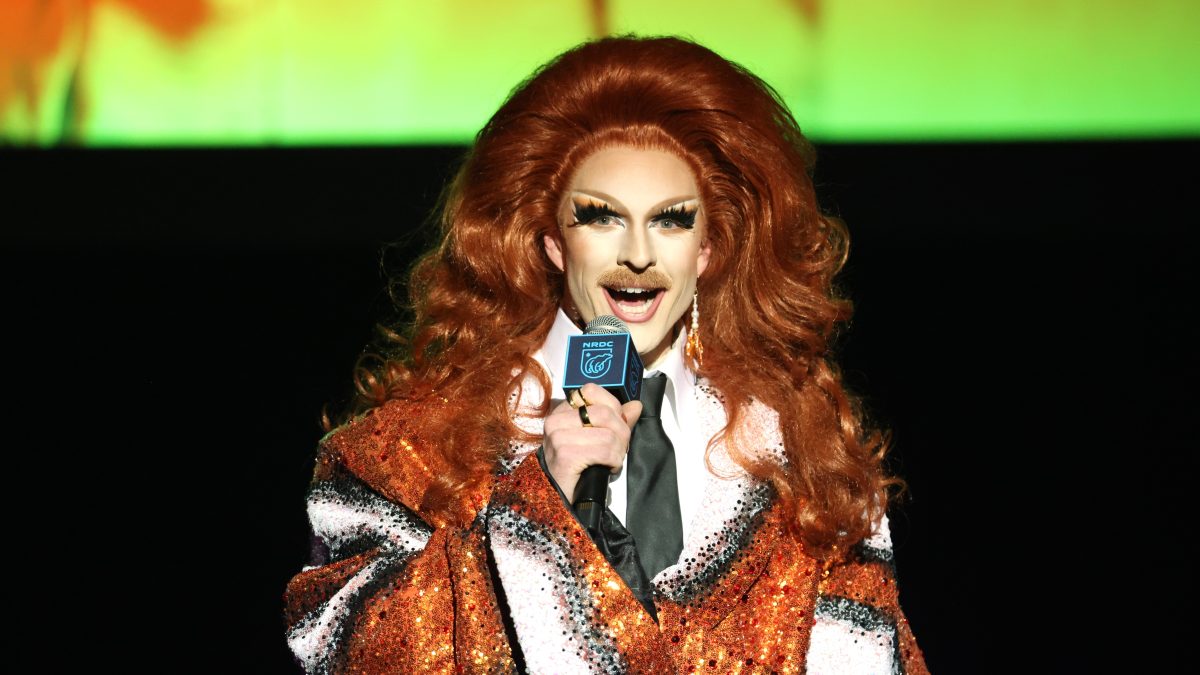
The legal clash between outdoor apparel giant Patagonia and Oregon-based drag performer and climate activist Pattie Gonia has spilled onto social media, with the company offering to end its lawsuit if she stops selling branded merchandise.
Patagonia announced Sunday night that it would drop the suit if Pattie Gonia withdraws her trademark applications, stops using the company's logo, and halts promotion and sales of products under her name. "If we can agree on this, we can work out everything else, and Pattie Gonia could continue as a performer and activist," the company said in a statement. "We share common ground with them, including the goal of saving our home planet and creating a more inclusive outdoors."

The offer follows Patagonia's January filing of a $1 lawsuit against Wyn Wiley, who performs as Pattie Gonia, accusing her of directly competing with the brand by attempting to trademark her name. Patagonia alleged that merchandise sold by the drag queen confused customers who thought it was affiliated with the 1972-founded company.
Pattie Gonia spoke publicly about the litigation for the first time last week, accusing the corporation of trying to strip her of her identity and costing her more than $1 million in legal fees. She also claimed Patagonia used the "height of anti-LGBTQ+ politics and attacks on the environment" to take legal action against her. The activist has framed the dispute as part of a broader political assault on LGBTQ+ rights and environmental advocacy.
In response to Patagonia's offer, Pattie Gonia said she has already agreed to withdraw her trademark application and stop using the Patagonia logo, but refused to stop selling and promoting merchandise under her name. "If I can’t do partnerships as Pattie Gonia, it breaks the whole ecosystem of advocacy and community engagement," she said. "And they understand this because their work is built on the exact same model — advocacy work funded through commercial work."
Pattie Gonia is pushing the company to drop the complaint entirely. She noted that the South American region Patagonia predates both the brand and her career as a drag performer and activist. The dispute has drawn attention to the intersection of trademark law, activism, and identity.
The activist also pushed back against Patagonia CEO Ryan Gellert's claim that she refused to discuss her trademark application with the brand. In a video, she called that "straight up lies," alleging the company didn't contact her until four months after she filed, when its attorney informed her of the lawsuit. She also denied violating a prior agreement not to use logos similar to Patagonia's, saying that agreement only applied to a partnership with another corporation.
This fight comes amid broader political battles over environmental policy and LGBTQ+ rights. The White House has recently been embroiled in its own social media controversies, but the Pattie Gonia case highlights how corporate legal strategies can collide with grassroots activism. As the dispute continues online, both sides show no sign of backing down.