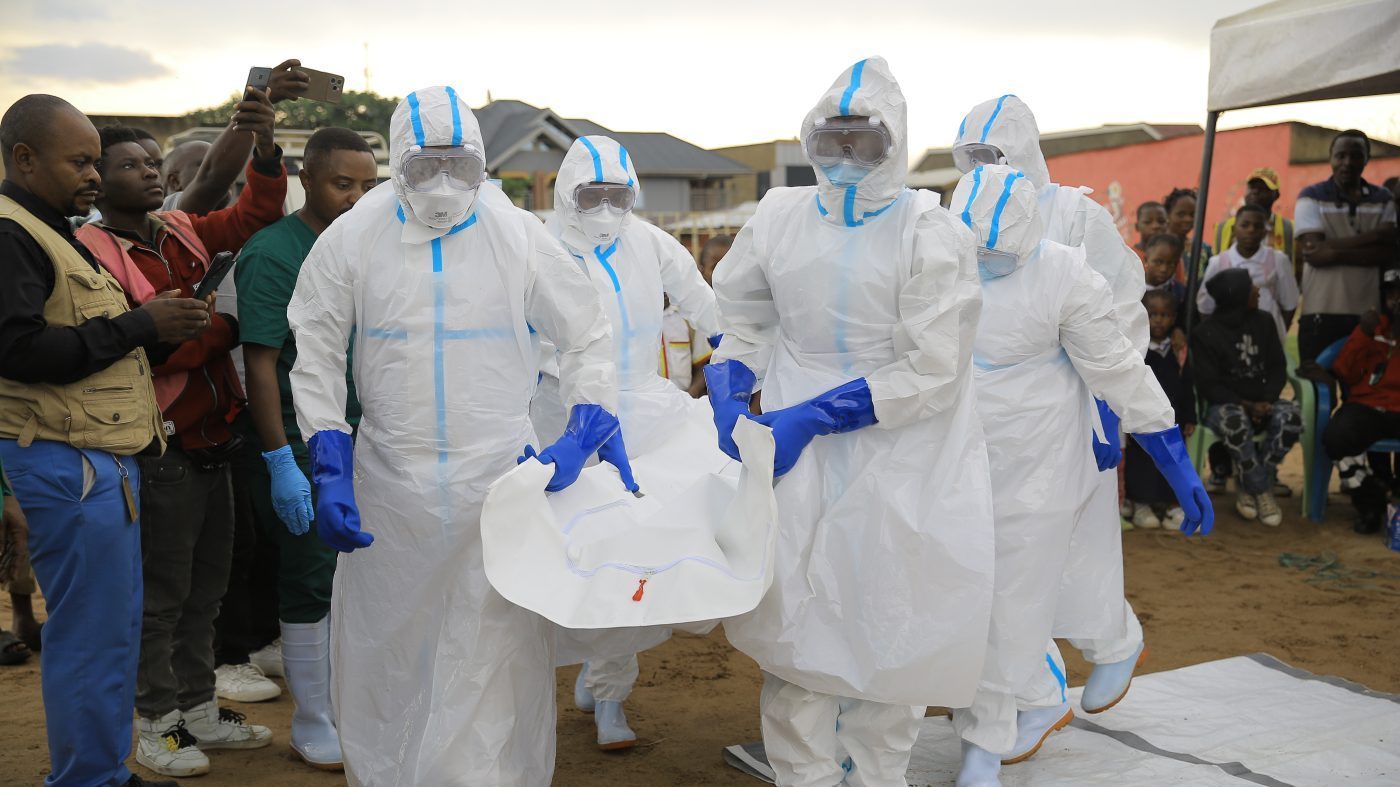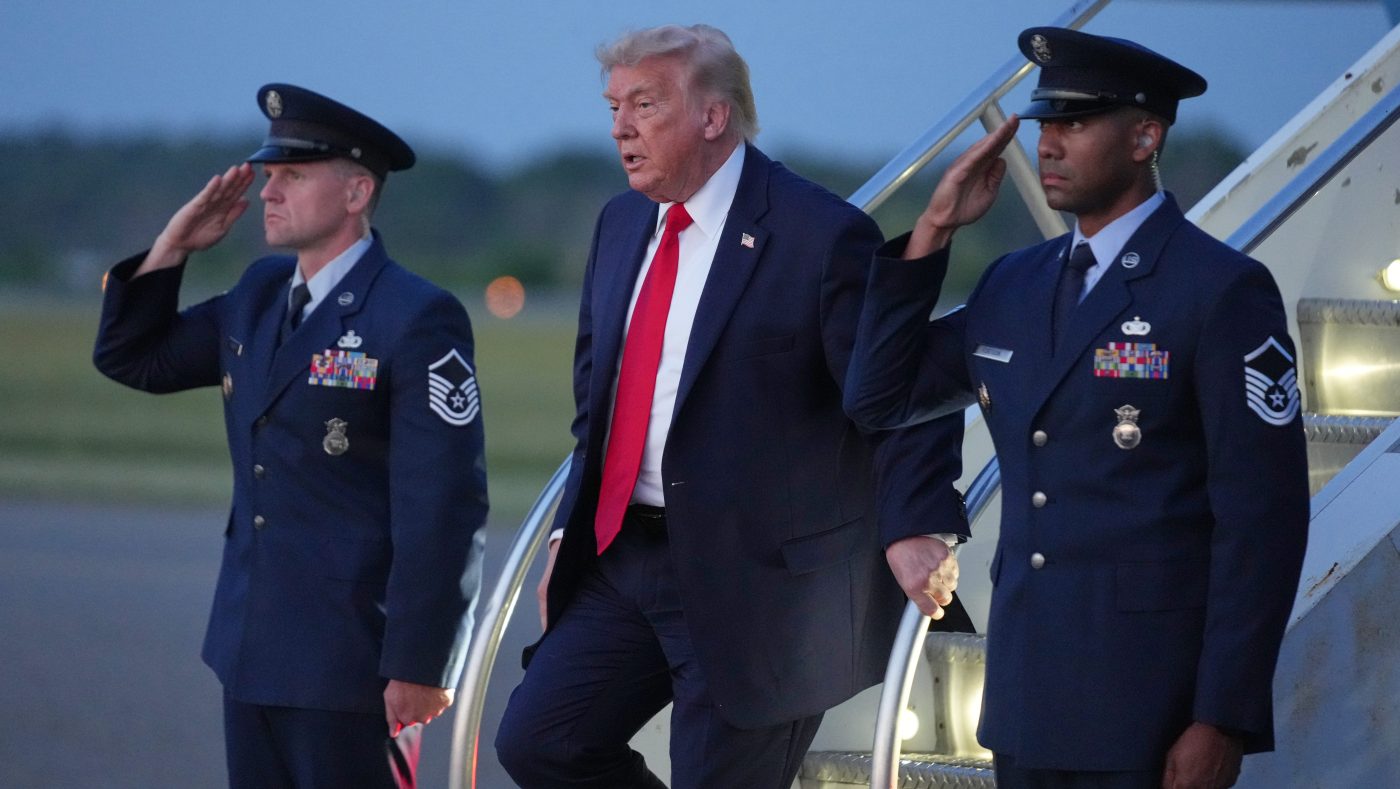
A year into President Trump’s second term, public confidence in federal health institutions — particularly the Centers for Disease Control and Prevention — has eroded dramatically and split along partisan lines, according to a new survey from the Harvard T.H. Chan School of Public Health and the de Beaumont Foundation’s Public Health Listening Lab.
The poll found that just 50% of Americans now trust health guidance from the CDC, down from 77% in spring 2025. State and local health departments, while also seeing declines, remain more trusted than federal agencies. Trust in state public health agencies fell from 80% to 66%, and local agencies dropped from 82% to 70% over the same period.
The collapse in trust is driven overwhelmingly by partisanship. Only 34% of Democrats said they trust CDC recommendations — a stunning drop from 92% in 2025. Among independents, trust fell from 77% to 47%. Republicans, meanwhile, saw a slight uptick from 63% to 67%.
Brian C. Castrucci, president and CEO of the de Beaumont Foundation, called the growing partisan divide alarming. “Health information shouldn’t bend to elections,” he said. “If we’re in a nation where red states believe CDC and blue states don’t, or vice versa, it will make it near impossible for us to confront outbreaks and national health challenges. It would be tantamount to having half the states believe that Japan attacked Pearl Harbor, and half the states believing it was misinformation.”
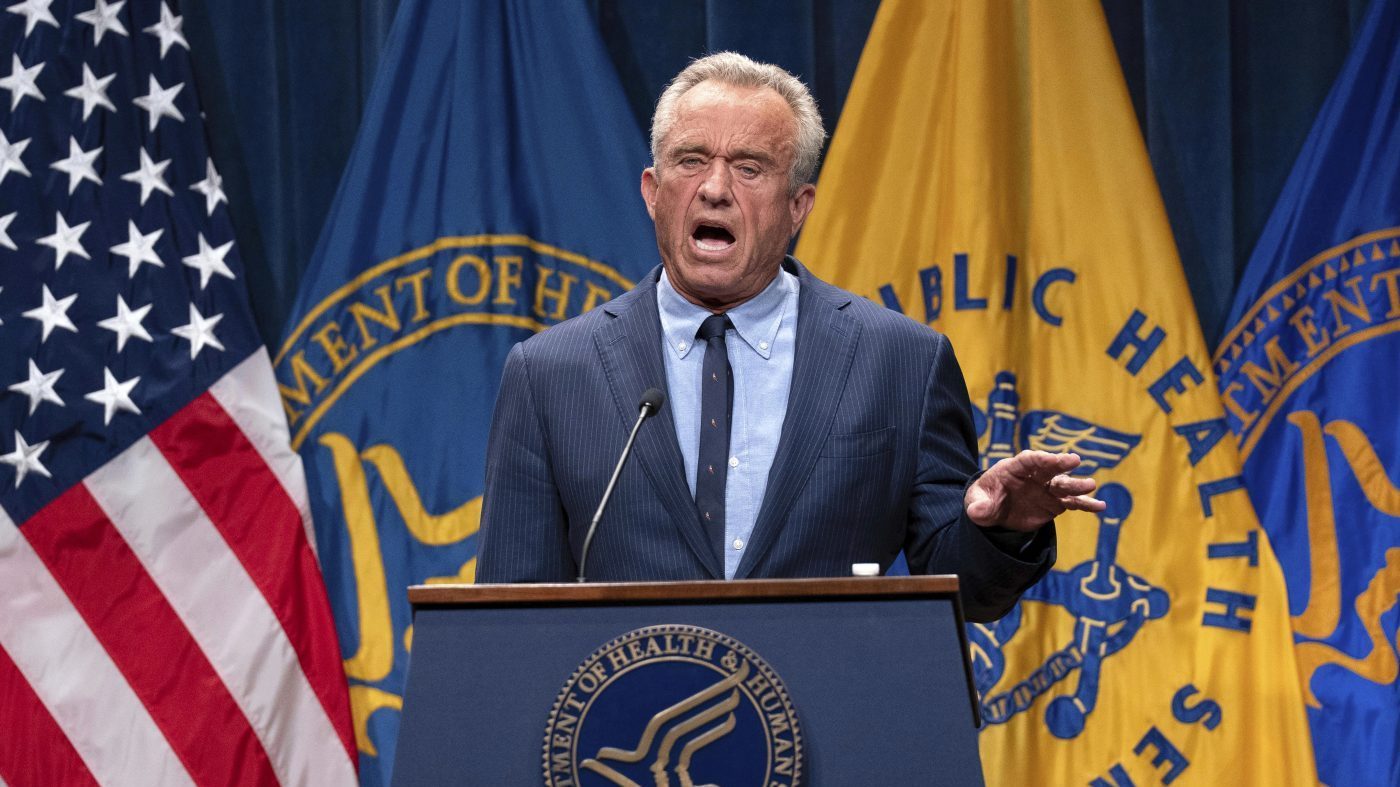
The survey comes as Health Secretary Robert F. Kennedy Jr. pushes his Make America Healthy Again (MAHA) agenda, focusing on food and vaccine policy. While the poll did not directly ask about Kennedy, 55% of respondents said they disapprove of federal public health agencies’ actions over the past year. That disapproval breaks down sharply by party: 86% of Democrats versus just one in five Republicans.
Majorities expressed concern that agency recommendations were too influenced by leaders’ personal beliefs (68%) and that agencies focused on the wrong priorities (68%). About six in ten said agencies had cut or scaled back programs too much, made decisions without following standard processes, or reduced health research funding excessively.
Despite the partisan rift, support for routine childhood vaccination remains strong. More than three-quarters of the public — including majorities of both parties — said parents should be required to vaccinate their children to attend school, a figure nearly unchanged since the COVID-19 pandemic. However, 89% said childhood vaccines are very or somewhat safe, down from 94% in 2022. “I think we are overstating the country’s reticence to vaccination. However, we’re seeing erosion, and that’s the scary part,” Castrucci noted.
On food policy, a pillar of the MAHA initiative, 60% of Americans support recent changes to the Dietary Guidelines. Nearly 90% agreed with recommendations to avoid or sharply limit sugar and highly processed foods, and 85% backed increased protein intake. The poll surveyed 2,205 U.S. adults from March 19 to April 1, 2026, with a margin of error of plus or minus two percentage points.