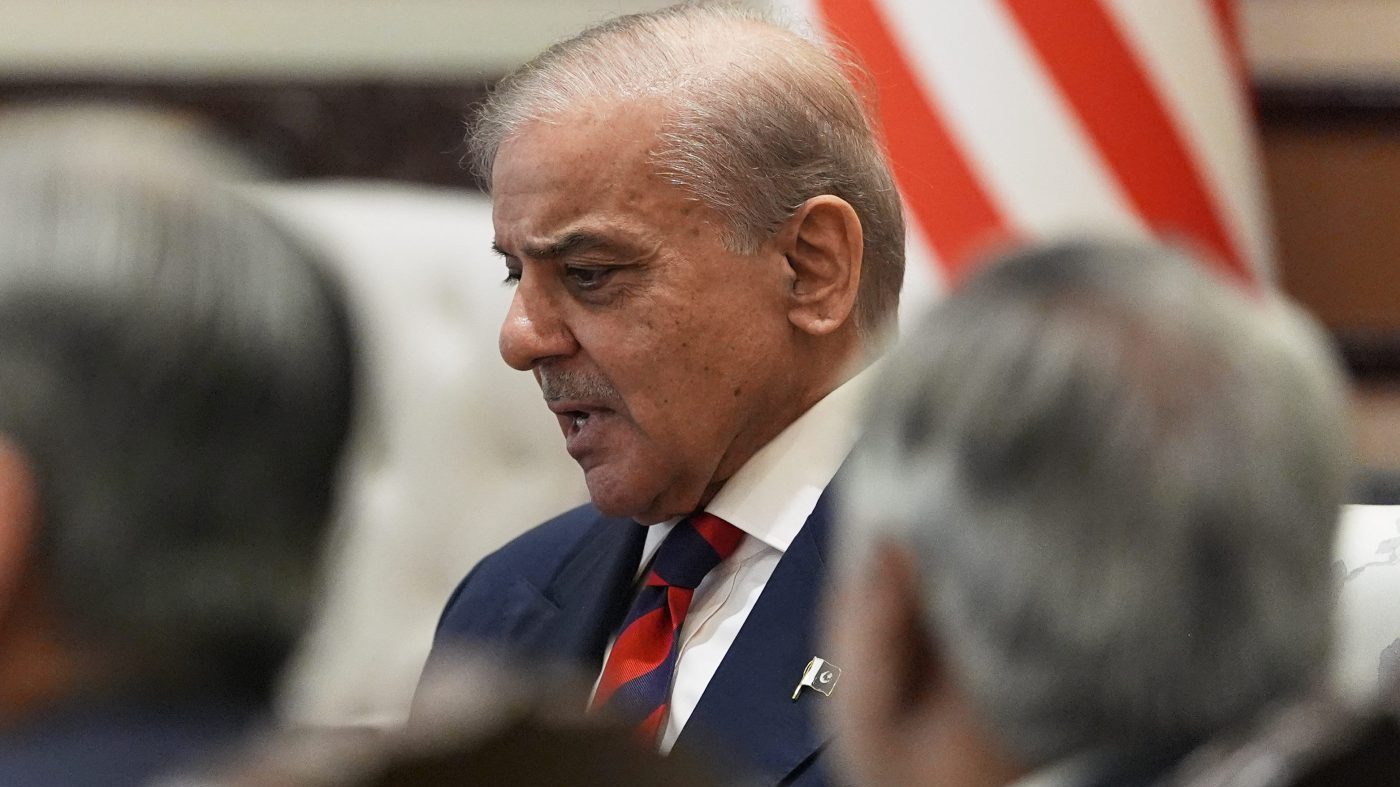
Pakistan Prime Minister Shehbaz Sharif declared on Saturday that a peace agreement between the United States and Iran could be finalized “in the next 24 hours,” raising expectations for a diplomatic breakthrough after months of tensions. Islamabad has been acting as a mediator in the talks, and Sharif’s social media post proclaimed that the two nations “are closer to a peace deal than ever before.”
“With finalisation likely expected in the next 24 hours, Pakistan is preparing for the electronic signing of the peace deal immediately after, followed by technical level talks next week,” Sharif wrote. He thanked both parties for their “ongoing commitment during the negotiations,” adding, “We are confident that this historic peace deal will form a strong foundation for lasting peace.”
President Donald Trump reposted Sharif’s statement on Truth Social without any additional comment, signaling tacit acknowledgment of the progress. However, Tehran quickly threw cold water on the timeline. Iranian Foreign Ministry spokesperson Esmaeil Baghaei told Iran’s Tasnim News Agency that a signing of the framework deal will “not be tomorrow,” according to CNN. “The possibility that it will happen in the coming days is not ruled out,” Baghaei said, “However, due to the other party’s instability, we must be cautious about any statements regarding this process.”
The mixed signals come just a day after Iranian Foreign Minister Abbas Araghchi said a deal “has never been closer” and urged the media to refrain from leaking details. That statement followed backlash from the Trump administration over reports that the deal included a $300 billion reconstruction fund and financial compensation for Iran—claims the White House labeled incorrect. Trump called Araghchi’s post “very positive” in a phone call with Axios reporter Barak Ravid and shared it on Truth Social.
Qatar’s Prime Minister Sheikh Mohammed bin Abdulrahman Al-Thani threw his weight behind the Pakistan-led effort, telling Sharif in a phone call on Saturday that Doha fully supports the mediation, according to a Qatari foreign ministry readout. “His Excellency reiterated the State of Qatar’s full support for the Pakistani mediation efforts aimed at ending the crisis through peaceful means,” the statement said, stressing the need for all parties to engage to create conditions for a comprehensive agreement that brings sustainable peace.
A U.S. official told NewsNation on Friday that the deal is roughly 75 percent complete. The agreement would reportedly prohibit Iran from developing a nuclear weapon and ensure the reopening of the Strait of Hormuz, a critical chokepoint for global oil shipments. The Hill has reached out to the White House for comment on the latest developments.
The rapid-fire diplomacy comes amid a volatile backdrop. In a separate development, Netanyahu ordered a strike on Iran hours after Trump demanded restraint, underscoring the fragile nature of the talks. Meanwhile, Trump’s Board of Peace is under fire over funding gaps and the Gaza stalemate, raising questions about the administration’s broader strategy. Pakistan’s role as mediator has been bolstered by its close ties to both Washington and Tehran, but the conflicting timelines from Islamabad and Tehran suggest that finalizing the deal may still require more delicate maneuvering.