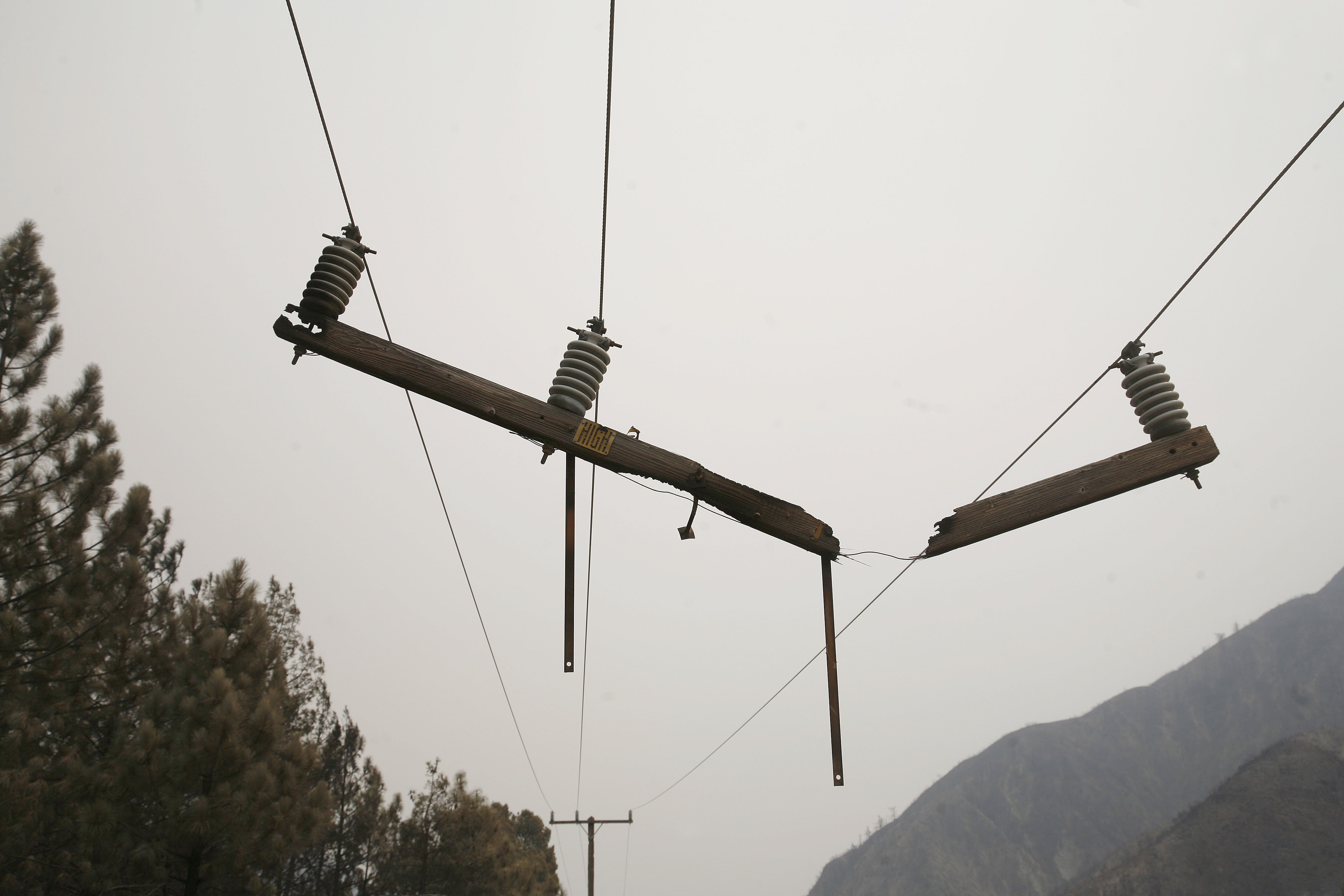
A bipartisan coalition of lawmakers, governors, and utility operators is pressing Congress to pass the Fix Our Forests Act, which would significantly expand the buffer zone utilities can clear around power lines on national forest land. Current federal law allows removal of hazardous trees only within 10 feet of a power line — a standard critics call dangerously inadequate in Western forests where trees routinely reach 100 feet and a single spark can ignite massive wildfires.
The legislation would extend that clearance authority to 150 feet, streamline federal permitting for wildfire mitigation work, and tighten judicial review timelines on fuel-reduction projects that have been stalled by litigation. The bill cleared the House 279-141 and passed the Senate Agriculture Committee 18-5, with support from Democrats in California, Minnesota, and Colorado. Four Western governors — Gavin Newsom (D-CA), Greg Gianforte (R-MT), Jared Polis (D-CO), and Spencer Cox (R-UT) — have endorsed it, as have utility operators across the region.
But Oregon's senators, Ron Wyden and Jeff Merkley, both Democrats, have not backed the measure. Instead, they support the Wildfire and Grid Reliability Act, a $15 billion-per-year matching grant program for utility infrastructure such as undergrounding lines and vegetation management within existing rights-of-way. While those investments have value, they do not address the federal land bottleneck that poses the greatest wildfire risk in the West.
Midstate Electric Cooperative in La Pine, Oregon, spent years seeking permits to clear trees growing within six feet of a power line through the Deschutes National Forest. During that wait, the community faced three major wildfires in under five years. The city manager described residents as living with flames knocking on the back door. Permits finally moved only after the co-op's CEO testified before Congress.
This isn't just an Oregon problem. From the Sierra Nevada to the Northern Rockies, utilities and communities face the same federal permitting wall as wildfire risk intensifies. The North American Electric Reliability Corporation, the federally designated reliability authority for the bulk power system, identified wildfire as a growing threat to electric reliability in its 2026 Summer Reliability Assessment this month. The report specifically called for vegetation management beyond traditional rights-of-way to protect critical infrastructure.
Critics have characterized the Fix Our Forests Act as a logging giveaway, but the hazard-tree provisions apply only to vegetation within striking distance of energized infrastructure, not commercial timber stands. The fuel-reduction provisions target overstocked, fire-prone forests where decades of suppressed fire and stalled federal management have built up conditions that drive catastrophic burns.
A more substantive objection from environmental groups is that a depleted Forest Service workforce cannot make careful site-specific decisions under expanded management authority. That point has merit, but the answer, supporters argue, is to rebuild agency capacity, not freeze its tools at levels that have allowed catastrophic fuel loads to accumulate.
Kurt Miller, CEO of the Northwest Public Power Association, which represents over 150 consumer-owned electric utilities across ten Western states and British Columbia, wrote that these utilities do not profit from what gets cut. They have no stake in logging. But they do have a stake in whether power lines stay up when fire moves through, and whether their members face catastrophic ignition liability when federal forests burn.
Oregon Governor Tina Kotek (D) warned last month of a potentially severe 2026 fire season, citing drought emergencies in nine counties and the warmest winter on record. Federal forecasters project above-normal fire risk east of the Cascade Mountains beginning in June and expanding across much of the West by August. The Inland West looks especially dangerous after years of persistent drought.
The bipartisan coalition is already in place. Senators from both parties have voted for the bill. Western governors have endorsed it. The utilities serving fire country are asking for it. The fire calendar doesn't pause for institutional rebuilding. Oregon's senators should join them before the next fire makes the case the hard way.