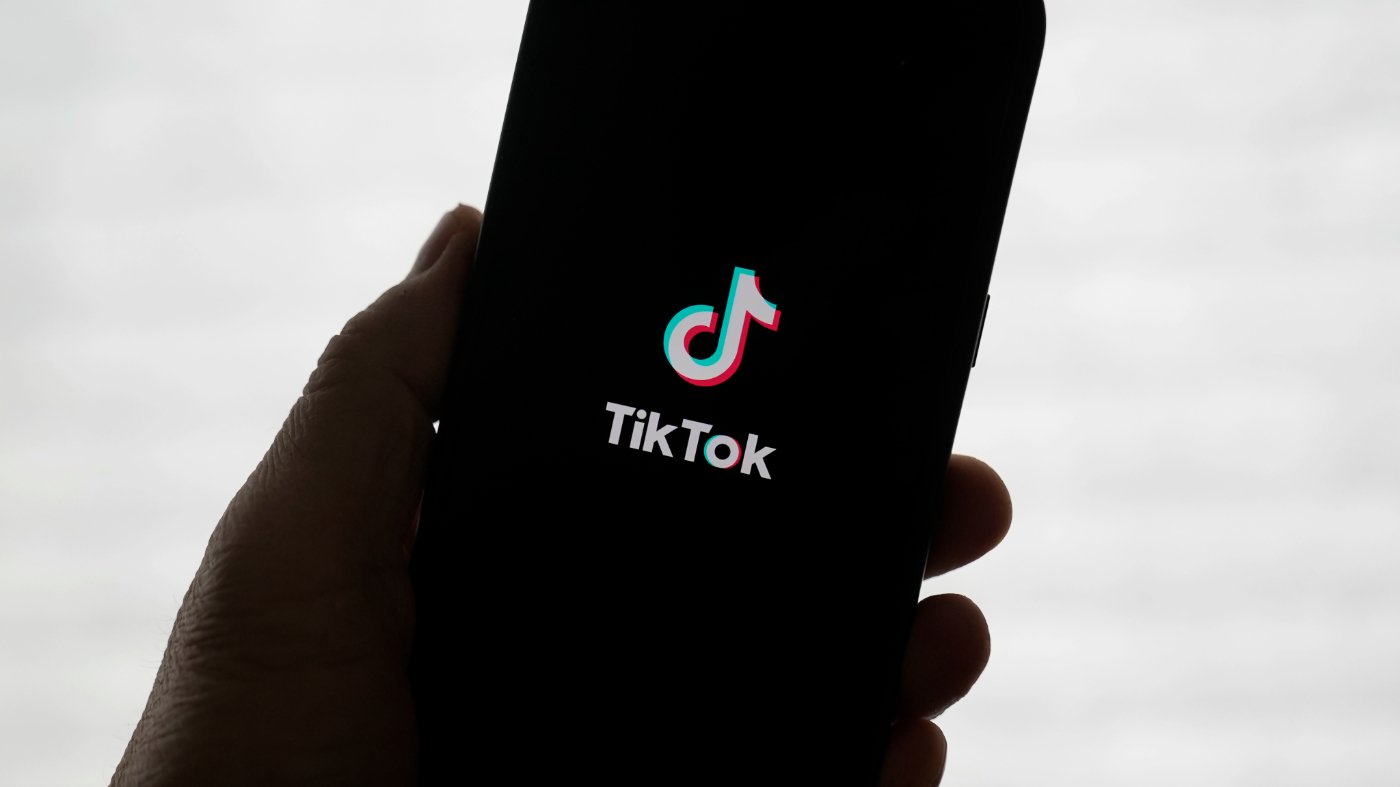
The Office of Management and Budget (OMB) on Monday rescinded the prohibition on using TikTok on government-issued devices, formally closing a multi-year policy battle. The directive, signed by OMB Secretary Russell Vought, aligns with a recent opinion from the Department of Justice’s Office of Legal Counsel, which concluded that federal employees can now lawfully access the app on official hardware.
The policy reversal comes after TikTok restructured its U.S. operations to satisfy a 2024 congressional mandate. In January, TikTok launched TikTok USDS Joint Venture, a new entity majority-owned by American investors. ByteDance, the app’s Chinese parent company, retains a 19.9 percent stake, but three U.S. firms—Silver Lake, Oracle, and MGX—each hold 15 percent as managing investors. Other backers include an investment firm linked to Dell founder Michael Dell, as well as affiliates of Susquehanna International Group and General Atlantic.
The divest-or-ban law, passed in April 2024 with broad bipartisan support, was driven by privacy and national security fears regarding ByteDance’s ties to Beijing. TikTok challenged the statute in court, but the Supreme Court upheld it days before it was to take effect. The app briefly went dark in January 2025, only to be revived after then-President-elect Trump promised to “save” it. Trump subsequently signed an executive order delaying enforcement and engaged in extended negotiations with China.
Negotiations stalled last year when Trump announced sweeping reciprocal tariffs on dozens of nations, including China, but a deal was finalized in September. Trump approved the spin-off via executive order, clearing the path for the new venture. The OMB memo marks the final administrative step, though most of Trump’s Cabinet had already joined TikTok late last month, posting “welcome back” videos on agency accounts.
The Hill has contacted TikTok for additional comment. The move is likely to draw scrutiny from lawmakers who remain wary of the app’s data practices, even with the new ownership structure. Some Capitol Hill figures have signaled they will monitor implementation closely, while others view the OMB action as a pragmatic acceptance of the legal framework.
This development follows a series of stopgap funding deals and other executive actions that have marked the early months of the new administration. It also comes amid broader debates over remote work and productivity in federal agencies, as well as ongoing discussions about TikTok’s content partnerships and its role in the digital ecosystem.
Observers note that the OMB’s decision does not eliminate all oversight; federal agencies may still impose their own restrictions, and the app remains subject to ongoing congressional scrutiny. Still, the lifting of the ban represents a significant shift in the federal government’s stance, signaling a new phase in the relationship between Washington and the popular video-sharing platform.