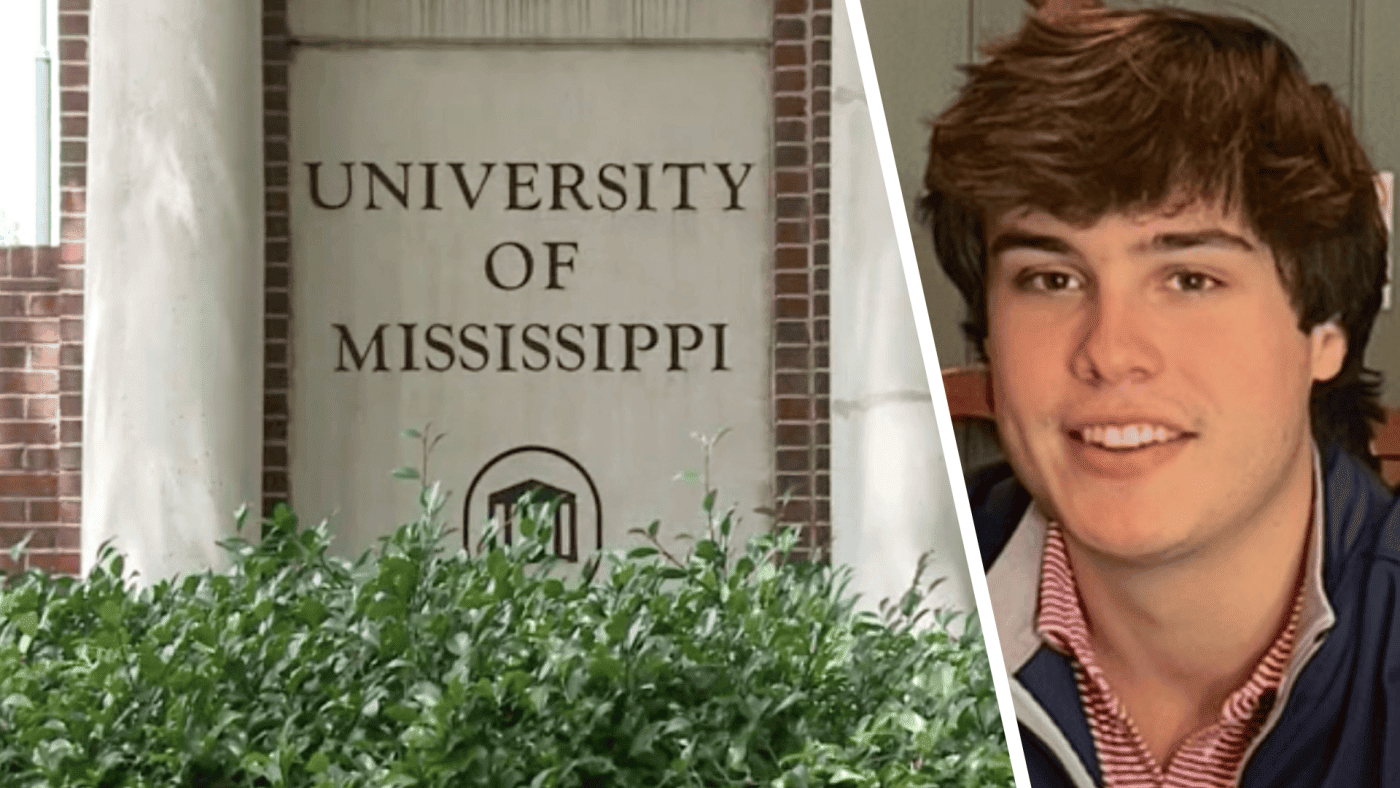
Mississippi law enforcement has connected kratom-related packaging discovered near the bodies of two University of Mississippi students to a retail outlet in Oxford, prompting a raid and multiple arrests.
On September 21, 18-year-old Aidan Hamilton and 20-year-old Robert Strang were found dead at separate locations on the Ole Miss campus. In both instances, investigators located kratom—a herbal substance sold in many convenience stores—nearby. The deaths remain under investigation, with the state medical examiner's office yet to release autopsy and toxicology results.
On Friday, the Lafayette County Metro Narcotics Unit executed a search warrant at Puffs Vape, Tobacco and Beer Store on Heritage Drive, less than a mile from the university. Authorities announced the arrests of two individuals on charges related to the alleged sale of illegal narcotics, including kratom, while a third suspect remains at large.
In a statement released Wednesday, officials said information gathered during the death investigations led them to the store. They emphasized that the probe is ongoing and that determining the cause and manner of each student's death remains a priority.
“In addition to establishing the medical findings, investigators will continue examining the evidence recovered from both scenes and the retail investigation,” the statement read. “This includes determining the actual chemical composition of products, identifying possible sources of distribution and establishing whether any connection exists between the investigations.”
The police also noted collaboration with federal partners: “We are also working with federal law enforcement partners to evaluate whether the evidence supports additional investigations or criminal charges under applicable federal law.”
Mississippi Department of Public Safety Commissioner Sean Tindell said Monday that toxicology results are expected back next week, which could clarify whether kratom or other substances played a role in the deaths. The development has intensified scrutiny on kratom's availability near college campuses, a topic previously explored in coverage of the initial discovery.
Kratom, derived from a Southeast Asian plant, is legal at the federal level but has been linked to addiction and adverse health effects. The case has sparked debate over its regulation, with some lawmakers calling for stricter controls while advocates argue for its medicinal benefits. As the investigation unfolds, authorities are also examining whether the store's sales practices violated state laws, a matter that could lead to broader enforcement actions. The third suspect's whereabouts remain unknown, and police are urging the public to provide any information.
This incident adds to a growing list of campus tragedies that have prompted conversations about student safety and substance availability. For context, similar concerns have been raised in other states, as seen in reports on kratom's role in these deaths and earlier updates on the investigation. Meanwhile, the university has offered counseling services to students affected by the losses.