Global oil markets snapped back to attention on Monday as the United States and Iran exchanged direct military blows for the first time in weeks, ending a fragile period of relative calm that had allowed crude prices to drift lower.
Brent crude futures for September delivery climbed 3.4% to $91.09 a barrel in early Asian trading, while West Texas Intermediate rose by a similar margin to $86.22. The jump erased some of the losses from last week, when traders had begun to price in a de-escalation of tensions in the Strait of Hormuz.
“The Middle East had finally gone quiet enough for oil traders to start sanding some of the war premium out of crude,” said Stephen Innes, managing partner at SPI Asset Management. “Then Sunday arrived, with a reminder that quiet in the Strait of Hormuz is not the same as peace.”
The renewed hostilities began with a US attack on rocket launchers on Iran's Larak Island, which Tehran said killed and wounded several Iranian soldiers and civilians. Iran's Islamic Revolutionary Guard Corps (IRGC) confirmed the casualties to the state-run Fars News Agency. In retaliation, Iran launched drones and missiles at US military installations in Jordan and the United Arab Emirates. The UAE's defense ministry said it intercepted the drones, calling the move a “dangerous escalation.”
This exchange marks the first known military action between the two adversaries since an interim peace deal collapsed earlier this month. That agreement, which had briefly reopened the strait and lifted the US naval blockade, unraveled after a series of attacks in July. The strait's closure has severely restricted vessel traffic, contributing to jet fuel shortages and putting upward pressure on inflation.
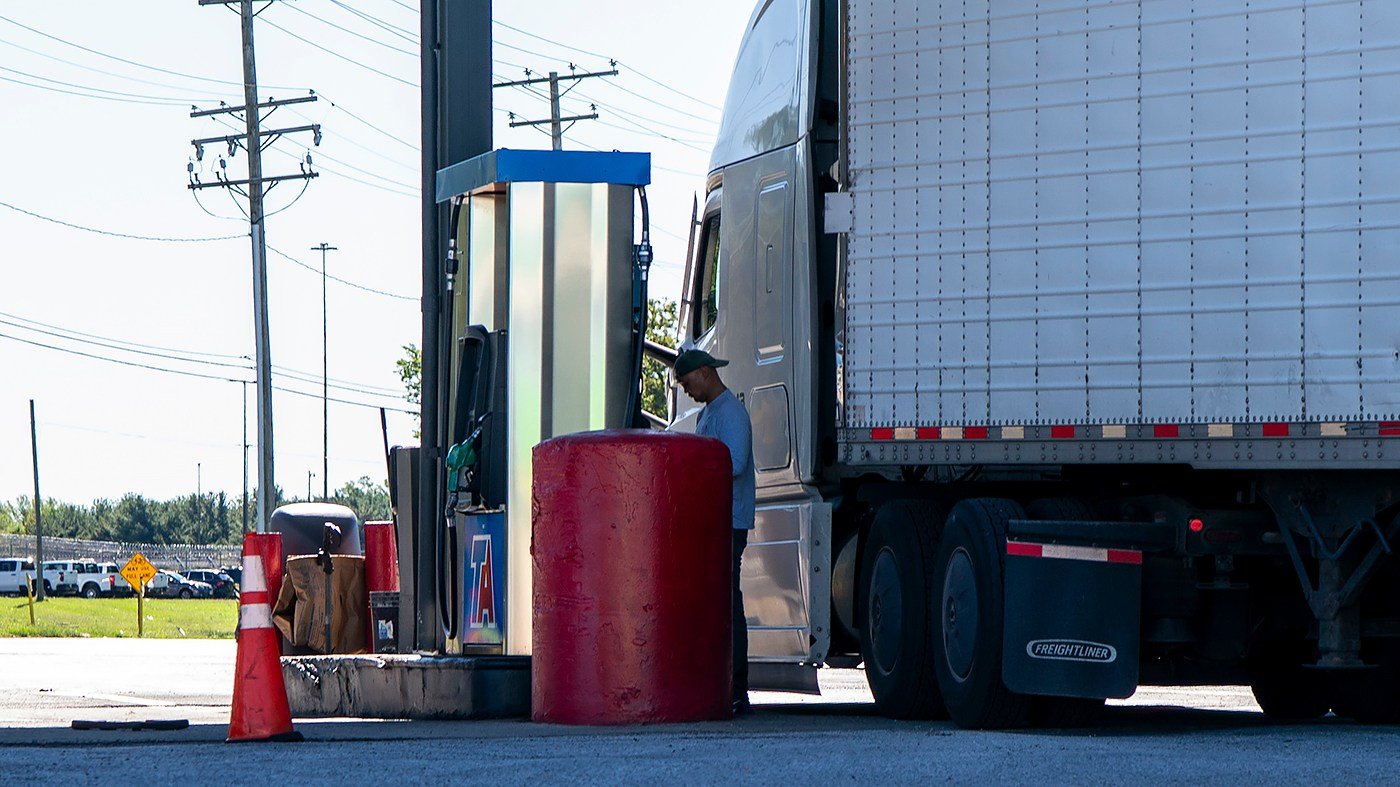
The impact is already visible at the pump. According to AAA, the US national average gasoline price rose 2 cents to $4.08 a gallon on Monday, though analysts note that retail prices typically lag crude oil movements by several days.
“Supply risk will persist and oil inventories will continue to deplete in the coming weeks and months,” said Tamas Varga, an analyst at PVM Oil Associates. “The Iranian crisis has likely changed the security status quo in the Middle East.”
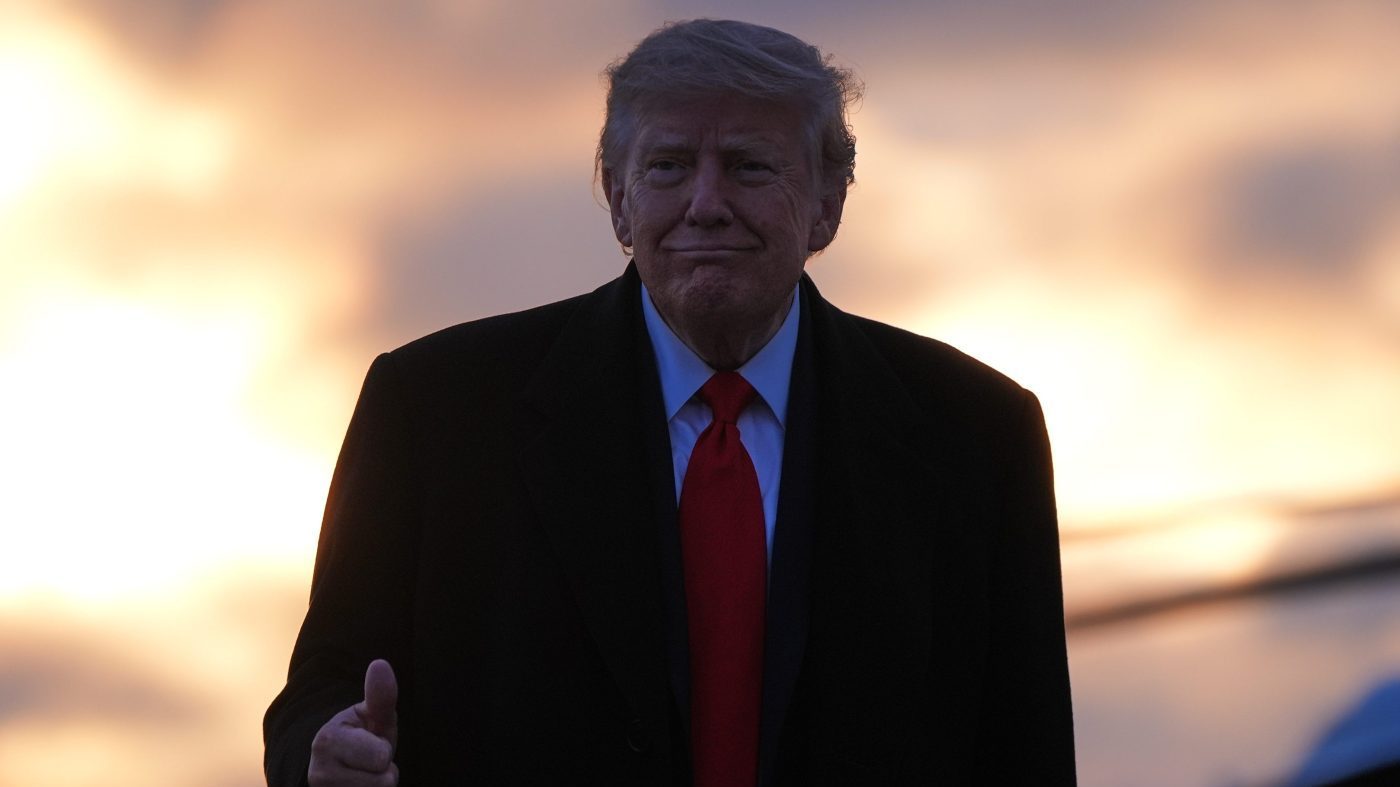
In a separate development, President Trump announced Sunday that the US will refill its Strategic Petroleum Reserve (SPR) after finalizing an oil deal with Venezuela that could eventually provide access to more than 65 billion barrels of crude. However, The New York Times reported that it could take years for meaningful volumes to materialize under the agreement. The SPR currently holds just 289.7 million barrels, its lowest level since 1982, according to Reuters.
Energy analysts warn that the latest flare-up could further strain global supply chains already rattled by the months-long confrontation. With the Strait of Hormuz handling roughly one-fifth of the world's oil exports, any sustained disruption carries significant economic consequences. The coming days will reveal whether this renewed violence is a one-off exchange or the beginning of a new, more dangerous phase in the conflict.