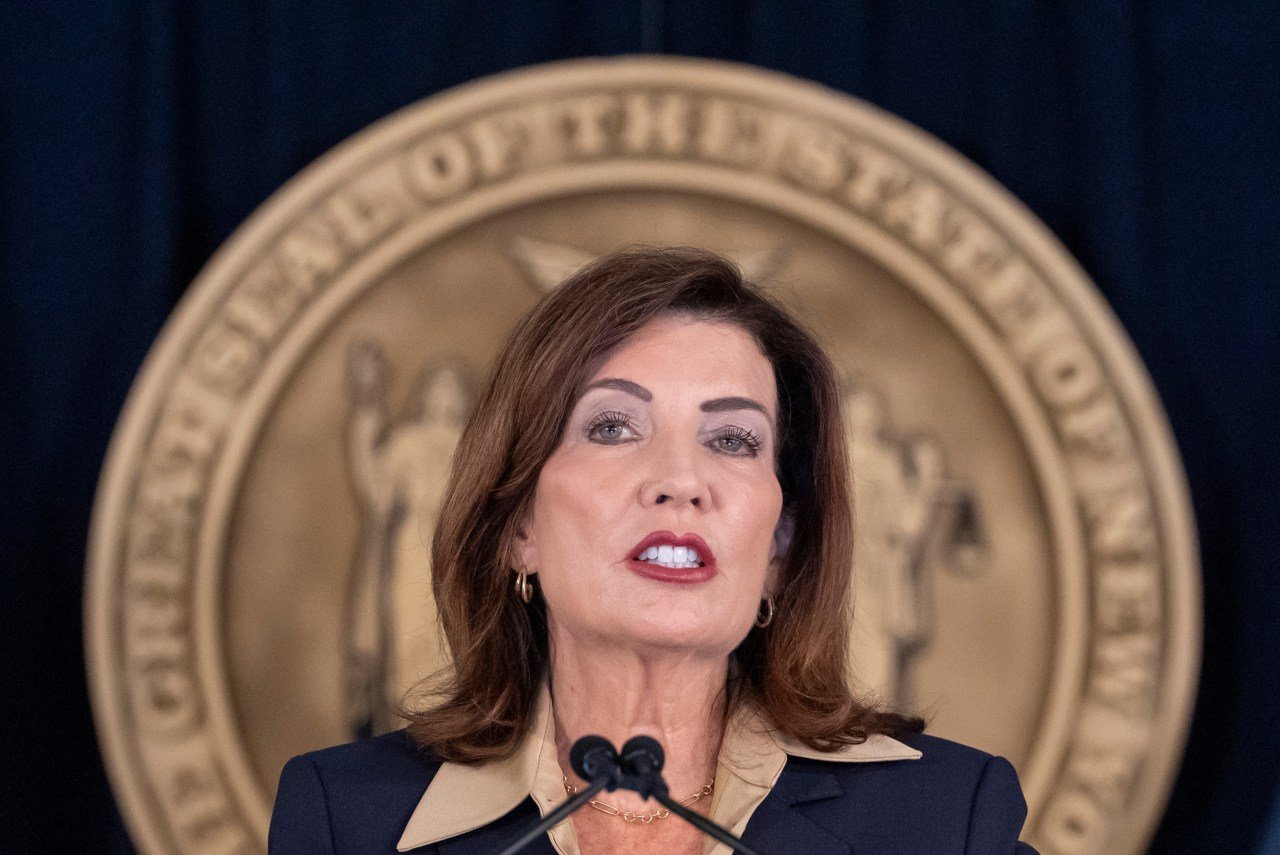
New York Governor Kathy Hochul on Wednesday signed legislation that imposes the most extensive restrictions to date on how AI companion chatbots interact with minors, as state governments increasingly step into a regulatory vacuum left by a stalled Congress.
The new law, effective January 1, defines a dozen categories of “unsafe AI companion features” that are banned when a chatbot engages with anyone under 18. These include chatbots falsely claiming to be human, expressing emotions or opinions, or fostering an illusion of a real relationship. The measure also prohibits chatbot messages that use flattery, contain sexually explicit content, or encourage secrecy or unhealthy behavior.

Violations would allow the state attorney general to sue chatbot developers, seeking monetary damages, court orders to shut down the service, and destruction of data. The legislation arrives as Hochul campaigns for reelection, underscoring the political salience of AI safety.
States lead as Washington lags
With Congress yet to pass comprehensive AI regulation, states are forging their own paths. New York and California have emerged as pioneers, using consumer protection laws to increase transparency, rein in harmful chatbot behavior, and address risks from advanced AI models.
In September, California Governor Gavin Newsom signed a law requiring AI developers to assess and mitigate risks to children, subject to independent audits. He also restricted social media platforms from deploying addictive features for users under 16. These measures reflect a broader trend of states targeting both AI and social media to protect young users.
The push comes amid mounting warnings about the existential dangers of rapid AI development. While President Donald Trump has dismissed such concerns and cautioned states against overregulation, governors argue that state action is necessary because the federal government has not acted.
Earlier this month, eight states filed a lawsuit against OpenAI, accusing the company of violating consumer protection laws by harming children and deceiving adults through its flagship chatbot. Activists have called it the most significant coordinated state action against an AI firm to date.
Reactions and concerns
Jim Steyer, founder and CEO of Common Sense Media, called New York's law “the strongest kids’ AI safety bill in the country.” Justine Gluck, a policy analyst at the Future of Privacy Forum, said the approaches taken by California and New York could serve as blueprints for other states when legislatures reconvene next year.
Gluck noted that New York's law reflects the rapid evolution of chatbot regulation, moving beyond basic disclosures and crisis-response measures to regulate the underlying design and operation of these systems. However, she also flagged that several categories in the law are broadly worded or undefined, creating ambiguity about where ordinary conversational responsiveness ends and prohibited behavior begins, which could complicate enforcement.
As states continue to push the boundaries of AI governance, the legal and ethical questions surrounding chatbot interactions with minors are likely to remain at the forefront of policy debates.