The Trump administration has moved to dismantle the nation's historic preservation framework through a sweeping regulatory overhaul that critics say will endanger landmarks in every community. The Advisory Council on Historic Preservation (ACHP), the federal agency tasked with promoting preservation, voted last month to rewrite its core regulations, a move that contradicts its congressional mandate and could greenlight destructive projects from coast to coast.
Sara C. Bronin, the last Senate-confirmed chair of the ACHP and now a law professor at George Washington University, warns that the changes will have far-reaching consequences. She is currently building the National Preservation Atlas, the first public interactive map of designated historic sites, and says the overhaul threatens to undo decades of progress. “It is heartbreaking to contemplate how much is at risk,” she said.
The ACHP administers Section 106 of the National Historic Preservation Act, a process applied to roughly 120,000 federal undertakings each year—from construction projects to permits for private resource extraction. The process requires federal agencies to consider the impact of their actions on historic properties listed on or eligible for the National Register of Historic Places. The new rules would significantly narrow that scope.
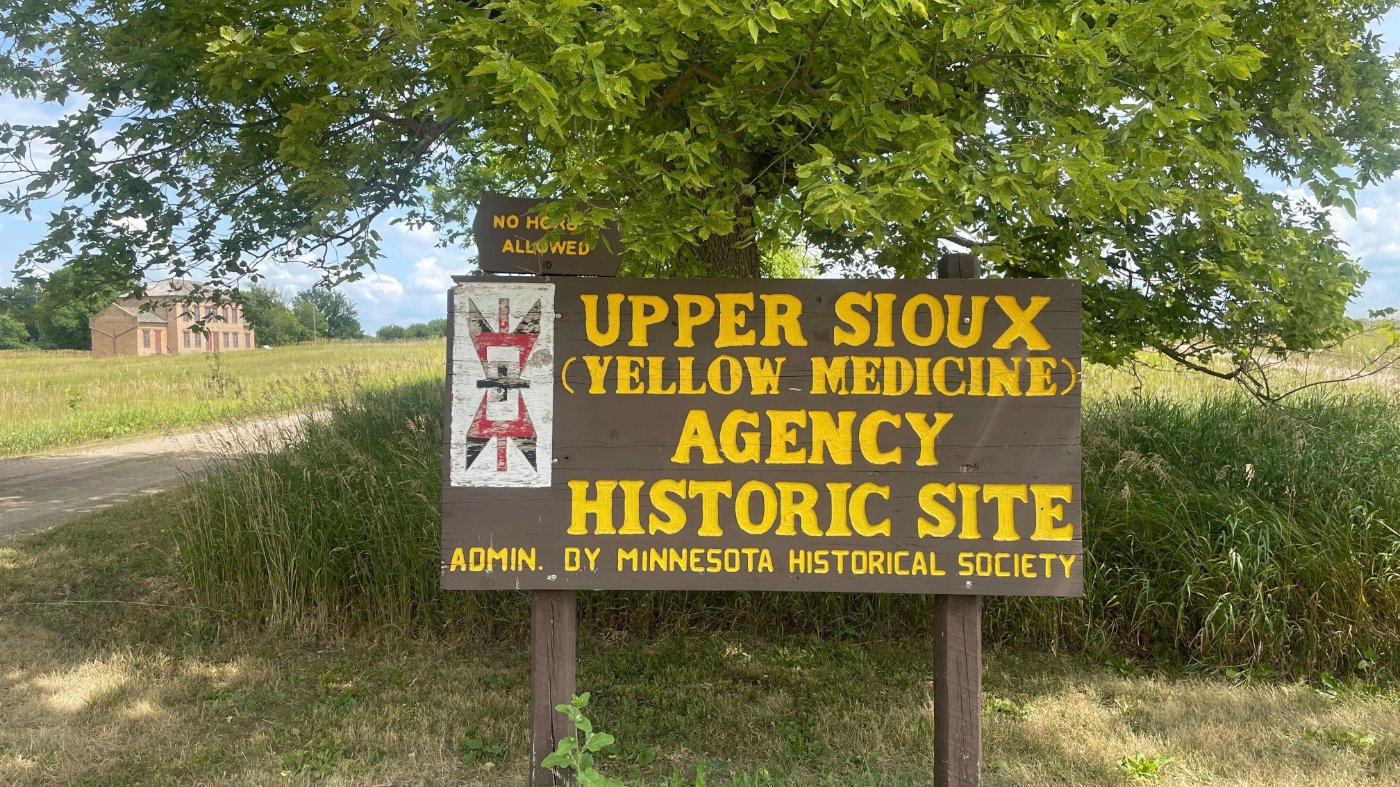
Under the proposal, only sites deemed “geographically compact” would receive protection. That would exclude many archaeological sites, cultural landscapes, and places of religious or historic significance to Indian Tribes, Native Hawaiians, and Alaska Natives. The result, Bronin argues, could be catastrophic: “We could see a pipeline built across Gettysburg Battlefield.”
The rules would also create sweeping exemptions. Most troubling, Bronin says, is a blanket exemption for state and local government projects, which would allow federally funded highway expansions and other large infrastructure to bypass review entirely. That could trigger a repeat of the mid-century urban renewal era that displaced neighborhoods and inspired the original preservation law.
Even when projects are not exempt, the administration's changes would narrow what counts as an adverse effect. Audible, visual, and atmospheric impacts would no longer be considered. Bronin points to Trump's planned arch at Arlington National Cemetery: construction noise would disrupt grieving families for three years, and the massive structure would block the historic vista connecting the cemetery to Washington's monumental core.
The proposal also guts the consultation process that has been central to Section 106's success. Currently, agencies must consult with tribes, local officials, and interested parties early on, which often saves time and money by avoiding harm through redesign. Under the new rules, agencies could ignore most stakeholders and consult only at the end, after plans are essentially finalized. Tribal nations, which have sovereign status under treaties, would be illegally sidelined.
Bronin acknowledges that delays are a natural part of deliberation, but she says the administration's response is disproportionate. “There are better, more tailored ways to improve timelines,” she said, noting that during her tenure the ACHP adopted reforms to expedite reviews for housing conversions, energy efficiency upgrades, and Native Hawaiian restorations—like those needed after the 2023 Lahaina fire.
The agency will soon open the proposed rules for public comment. Bronin urges all who care about historic places to submit comments, drawing on resources like the National Preservation Atlas and the National Register. While comments may not stop the rules, they can support eventual litigation by groups such as the National Trust for Historic Preservation.
“We can't let the nation's 250th birthday year mark the date we started to turn our back on our past,” Bronin said.