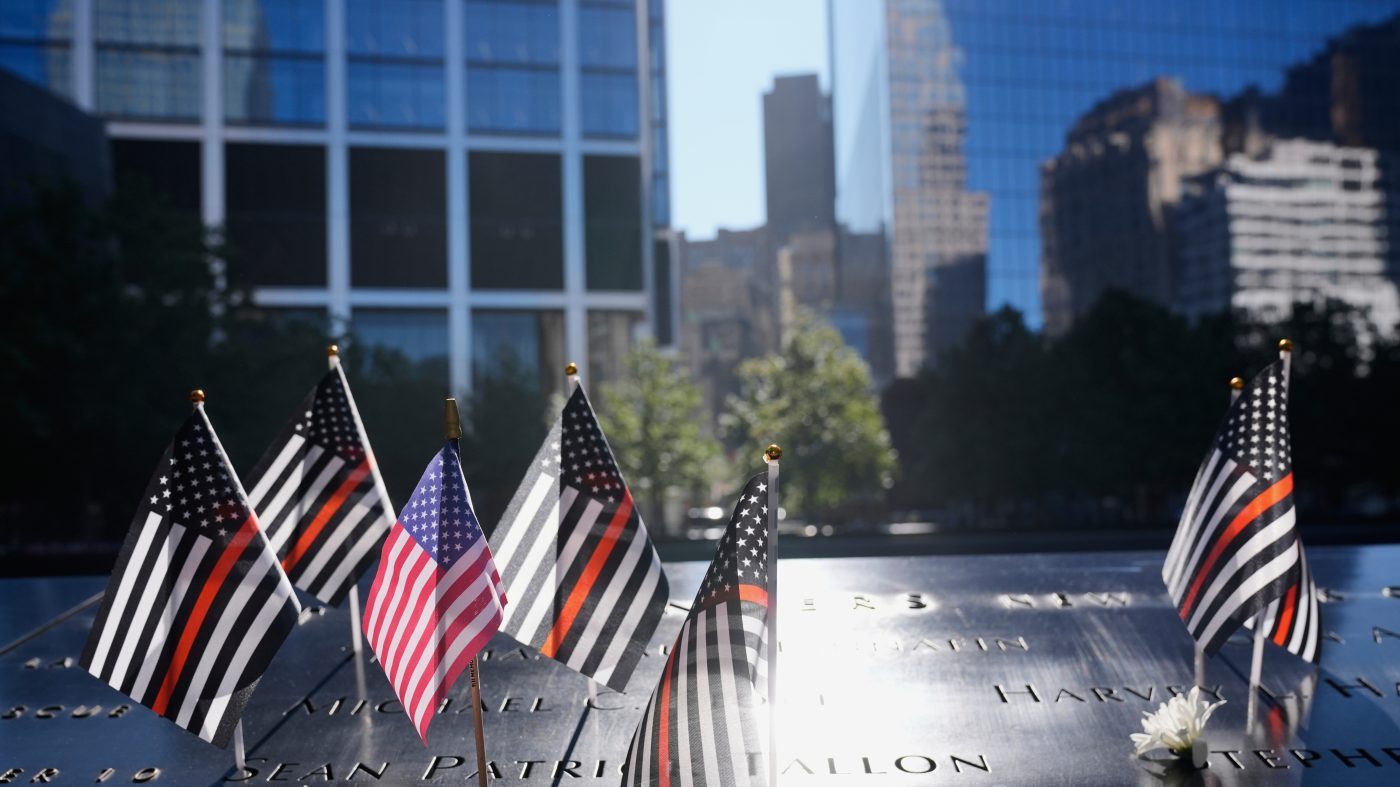
As the 25th anniversary of the September 11, 2001 attacks nears, New York City officials announced Monday that another victim has been identified, thanks to a breakthrough forensic method.
Mayor Zohran Mamdani revealed that the remains of an adult woman have been positively identified using forensic investigative genetic genealogy (FIGG), a technique that combines advanced DNA analysis with genealogical research. This marks the first time FIGG has been used to identify a 9/11 victim, and brings the total number of identified victims to 1,654 out of the 2,753 people killed in New York City that day.

“As we approach the 25th anniversary of the horrific Sept. 11 attacks, we honor the nearly 3,000 people whose lives were stolen that day, and we remain committed to the families who have spent 25 years waiting for answers,” Mamdani said in a statement.
“The identification of this victim through forensic investigative genetic genealogy is a powerful example of what is possible when we pair cutting-edge technology with an unwavering commitment to those we lost,” the mayor added.
The victim’s name is being withheld at the request of the family. The identification was confirmed by the Office of the Chief Medical Examiner (OCME) using DNA and other forensic methods after FIGG provided leads.
FIGG has been used in recent years to solve cold cases and identify unknown remains, but its application to 9/11 victims is a significant milestone. The technique involves extracting DNA from remains and comparing it to public genealogy databases to find relatives, then building family trees to narrow down potential matches.
Prior to this announcement, the last identification from the World Trade Center attacks was made in August 2025. The OCME continues to work on the remaining unidentified remains, which number in the hundreds.
The development comes as the nation prepares to mark a quarter-century since the attacks, which also claimed lives at the Pentagon and in Shanksville, Pennsylvania. The identification process has been painstaking, with advances in DNA technology gradually allowing more victims to be named.
Forensic experts have praised the use of FIGG, but some have noted that funding cuts to forensic science could slow future identifications. Still, the OCME remains committed to its mission.
“Every identification brings closure to a family,” said a spokesperson for the mayor’s office. “We will not stop until every victim is returned to their loved ones.”
The announcement also highlights the enduring impact of the attacks, which have shaped U.S. policy and national security for decades. As the 25th anniversary approaches, the focus remains on remembrance and the ongoing effort to identify all victims.