NCAA President Charlie Baker is making a direct appeal to Congress: pass the SCORE Act to safeguard the future of college sports from legal turmoil and potential employment mandates that could upend the system.
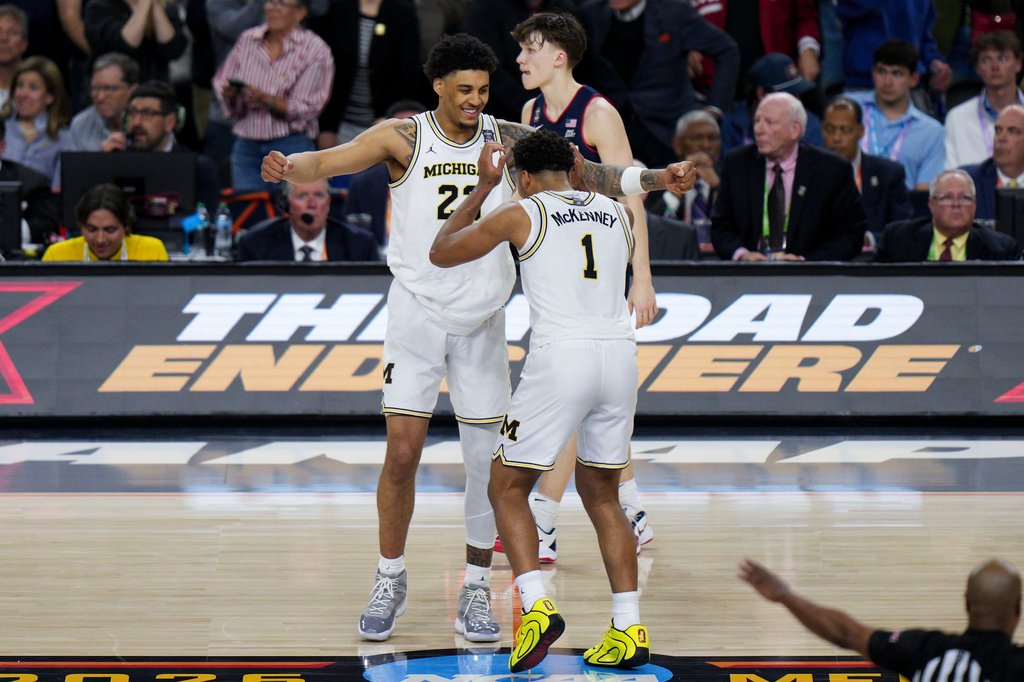
In a pointed op-ed, Baker acknowledged that college sports have undergone rapid modernization in recent years, with schools now funneling roughly $1 billion annually in new financial benefits to student-athletes. Division I programs are required to provide healthcare, mental health resources, and guaranteed scholarships. Participation, scholarship support, and fan interest are at record highs, he noted.
But Baker warned that progress is under siege from two fronts: lawsuits challenging eligibility limits and efforts to classify student-athletes as employees. He argued that these forces threaten to dismantle opportunities for the more than 554,000 student-athletes who collectively receive over $4 billion in scholarships each year.
“At its core, college sports represent a way for talented high school athletes to reach a new level of athletic competition, while also pursuing a degree,” Baker wrote. He emphasized that NCAA eligibility rules—limiting competition to four seasons over five years and requiring academic progress—have been essential to that mission. Yet a wave of over 60 lawsuits in the past 18 months, filed by a small fraction of athletes, has created “systemic disarray.” Even the transfer policy was invalidated after a lawsuit by several state attorneys general, leading to chaos in the transfer portal.
Baker also warned against turning college sports into a “second career” for former professionals, which he said would come at the expense of incoming freshmen and their scholarships. Meanwhile, a push to make athletes employees—backed by a tiny minority—has drawn opposition from student-athlete leaders across all divisions. Less than 1% of college sports programs generate meaningful revenue, Baker noted, so an employment mandate would trigger widespread program cuts, disproportionately affecting women’s sports, Olympic sports, historically Black college and university programs, and Division II and III schools. “Coaches would become bosses, and scholarships could be taxed,” he added.
Baker acknowledged skepticism about federal intervention but stressed that internal reforms—such as a 30% cut in administrative bureaucracy and doubling student-athlete voting power—cannot alone provide the legal stability needed. The current patchwork of state laws and litigation-driven environment risks undoing progress, he argued.
The SCORE Act, he said, is the only bipartisan bill that addresses these challenges while codifying key protections. It would guarantee student-athletes’ right to profit from their name, image, and likeness, mandate health and wellness benefits, and establish guardrails against predatory agents in the unregulated NIL market. The bill has earned support from student-athlete leaders and nearly every conference, including all four HBCU conferences, across all three divisions.
“We are at a critical juncture where the rapid modernization we have achieved internally requires a stable, nationwide foundation to truly endure for all student-athletes,” Baker wrote. “By locking in the progress we’ve made, Congress can ensure that the best days of college sports remain ahead.”
Baker’s call comes amid broader debates about the future of higher education and student finances. A recent survey found that college students overestimate starting salaries by $24,000, highlighting the financial pressures young people face. Meanwhile, the Progressive Caucus is pushing a new affordability agenda to reclaim working-class trust, and financial fear outweighs death for 70% of Americans, with Gen X the most anxious.