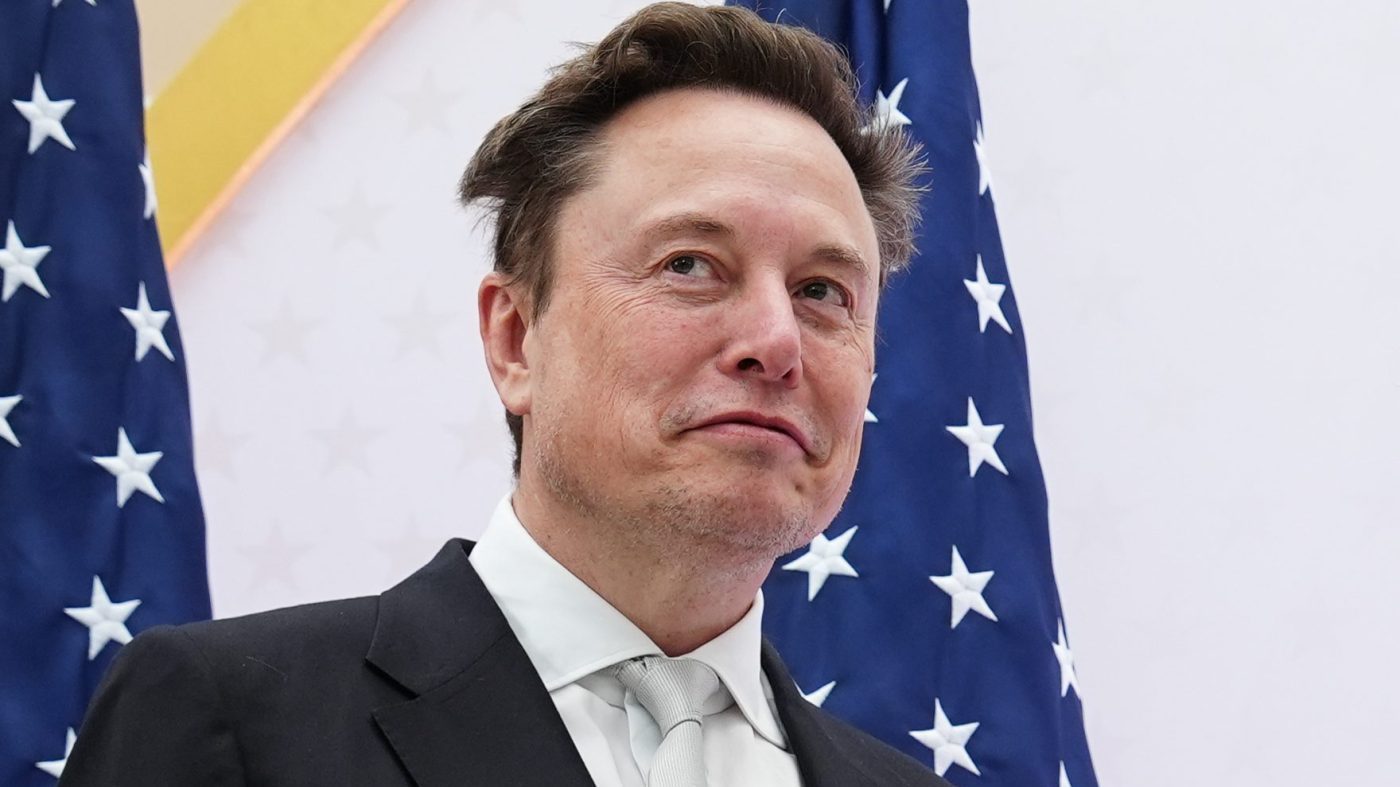
Billionaire tech mogul Elon Musk took to social media early Wednesday to mock the Republican Party's bruising midterm defeat, a day after Democrats swept control of both chambers of Congress. Musk, who poured more than $442 million into GOP campaigns and super PACs, quipped on his platform X: "Guess my election-interfering space lasers didn't work this time."
The Tesla and SpaceX CEO's spending this cycle dwarfed his previous political outlays, marking a dramatic escalation from his relatively apolitical stance before the 2024 presidential race. His funds were heavily concentrated in Texas, where he backed Republican Attorney General Ken Paxton in the Senate race to replace retiring Sen. John Cornyn. Paxton's loss to Democrat James Talarico on Tuesday was a historic upset, giving Democrats their first statewide victory in the Lone Star State in decades.
Musk directed $158 million to the Senate Leadership Fund, a super PAC dedicated to electing GOP senators, which quickly funneled the money into a Texas-based PAC supporting Paxton. He also bankrolled his own America PAC, contributing $76.8 million in October alone, on top of $76 million given between July and September.
In a separate post, Musk mused about alternative ventures, writing: "Data centers in space looking pretty appealing right now." The comment reflects his growing interest in orbiting data centers as a solution to the massive computing demands of AI, a project he has touted since merging SpaceX with xAI.
Musk's pivot to space infrastructure comes as public backlash mounts against the rapid onshore construction of data centers, which critics say drives up energy costs and harms the environment. Some policymakers have already proposed moratoriums on new builds, including Gina Hinojosa, the Democratic nominee for Texas governor who unseated incumbent Greg Abbott on Tuesday.
The GOP's losses have triggered internal finger-pointing, with some conservatives blaming President Trump's agenda and foreign policy missteps. Fox News host Sean Hannity conceded that the Iran war was a major factor in the party's defeat, while South Dakota Gov. Kristi Noem argued that Trump's "too successful" first year created unrealistic expectations. Meanwhile, strategist James Carville had predicted that Black voter turnout would be "astronomical" and could decide the midterms—a forecast that proved prescient as Democrats surged in key battlegrounds.
For Musk, the midterms represent a costly political miscalculation. His unprecedented spending failed to yield dividends, raising questions about his influence in Republican politics. Some analysts suggest his focus on Texas, where he relocated Tesla's headquarters, may have been a strategic error, given the state's shifting demographics and growing Democratic strength.
As the dust settles, Musk's "space lasers" joke underscores a broader frustration among GOP donors who saw their investments evaporate. Yet the billionaire's pivot toward space-based data centers signals that his political ambitions may be taking a backseat to his commercial ventures—at least for now.