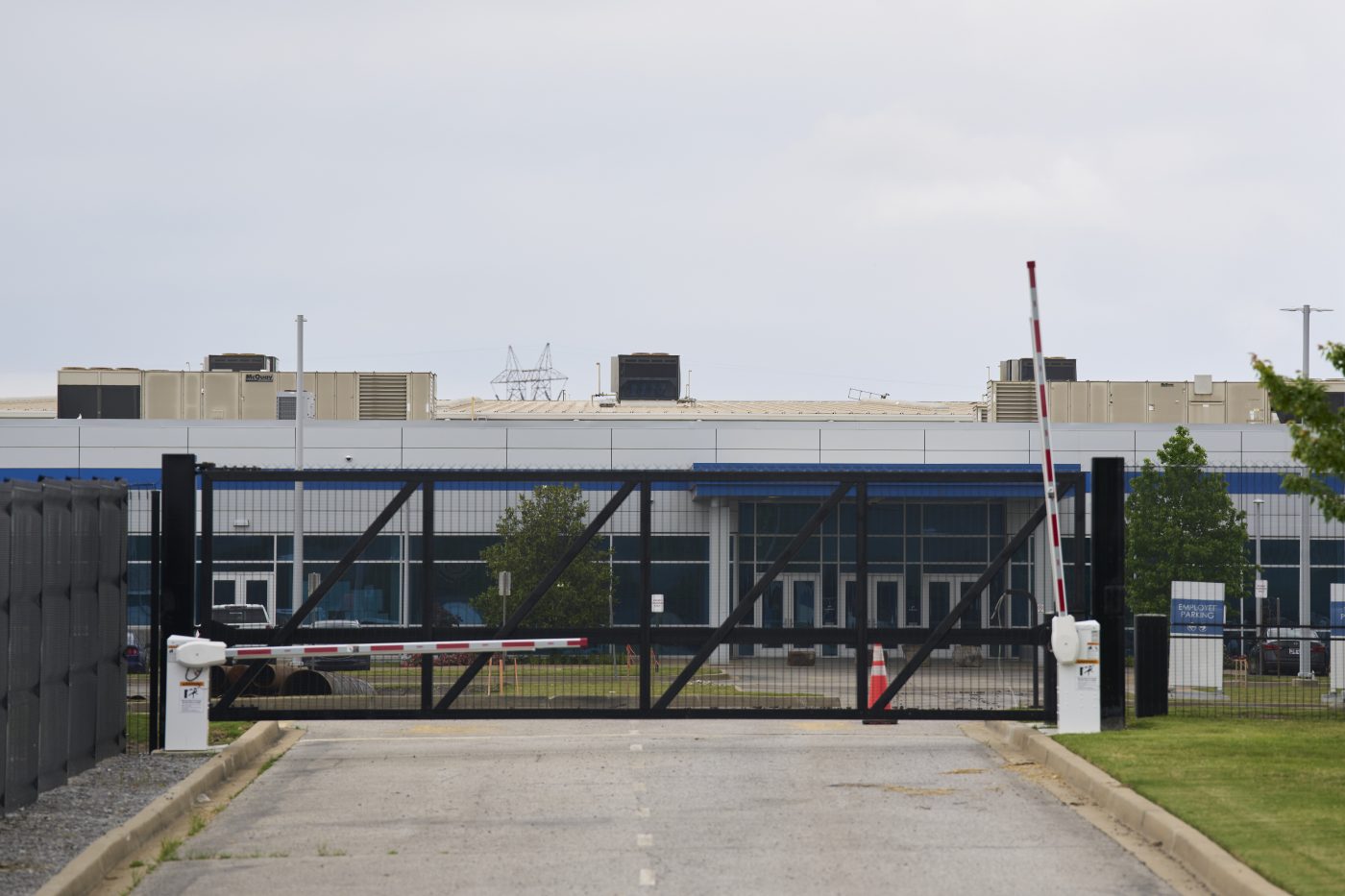
Three residents of Southaven, Mississippi, have filed a class-action lawsuit against Elon Musk’s xAI and SpaceX, alleging that the companies’ data center and power plant operations generate a constant, disruptive noise that has made daily life unbearable and driven down home values. The suit, filed Monday in a local court, targets one of three data centers xAI built near Memphis, Tennessee, just across the state line.
The plaintiffs describe the noise as a “combination of high-pitched squealing, continuous engine roaring, low-frequency rumbling, and tonal humming or whining” that travels across property lines and into homes. They argue that the companies have placed massive data centers and power-generation facilities in quiet residential areas, ignoring the impact on neighbors.

“Companies like Defendants are rushing to construct massive data centers and power-generation facilities, siting them in quiet residential areas like Southaven, Mississippi, and subjecting residents to near-constant noise, vibrations, and other nuisance-level harms,” the filing reads.
According to the lawsuit, xAI has installed 57 temporary gas turbines to power the data center and has obtained permits for 41 additional permanent turbines. These turbines, which run around the clock, are at the center of the noise complaints. The plaintiffs argue that the noise is “pervasive and inescapable,” diminishing their quality of life and local property values.
This legal action is the latest in a series of disputes over xAI’s data center operations. Last June, the NAACP threatened to sue over air pollution concerns, and in February it renewed that threat before filing a lawsuit in April, alleging the company failed to obtain the necessary permits before installing turbines. The NAACP’s suit is ongoing.
The controversy comes as demand for compute power in the AI arms race drives a surge in data center construction nationwide. Critics argue that companies like xAI prioritize speed over community impacts, while proponents say such facilities are critical for technological leadership.
xAI and SpaceX, which acquired xAI earlier this year, have not commented on the latest lawsuit. The companies have previously defended their operations as compliant with local regulations. The case highlights growing tensions between tech expansion and residential quality of life in communities near major data hubs.
Legal experts say the outcome could set a precedent for how courts balance the needs of rapidly growing AI infrastructure against the rights of nearby residents. The plaintiffs are seeking damages for nuisance and diminished property values, as well as an injunction to limit noise levels.