Midwest farmers are grappling with the financial strain of President Trump's tariffs and escalating costs tied to the Iran conflict, putting pressure on a traditionally loyal Republican voting bloc as the party fights to retain control of Congress this fall.
Trump carried all but 11 of 444 farming-dependent counties in 2024, according to USDA data. But a Farm Futures Q1 survey shows a 10-point drop in farmer confidence since he took office. Marc Short, a former aide to Mike Pence and chair of Advancing American Freedom, noted in a Washington Post op-ed that “Make Our Farmers Great Again” hats were once a rally staple but now reflect a changed reality. “President Trump's trade policies have punched farmers in the mouth,” Short wrote. “Republicans who continue to ignore this reality do so at their peril.”
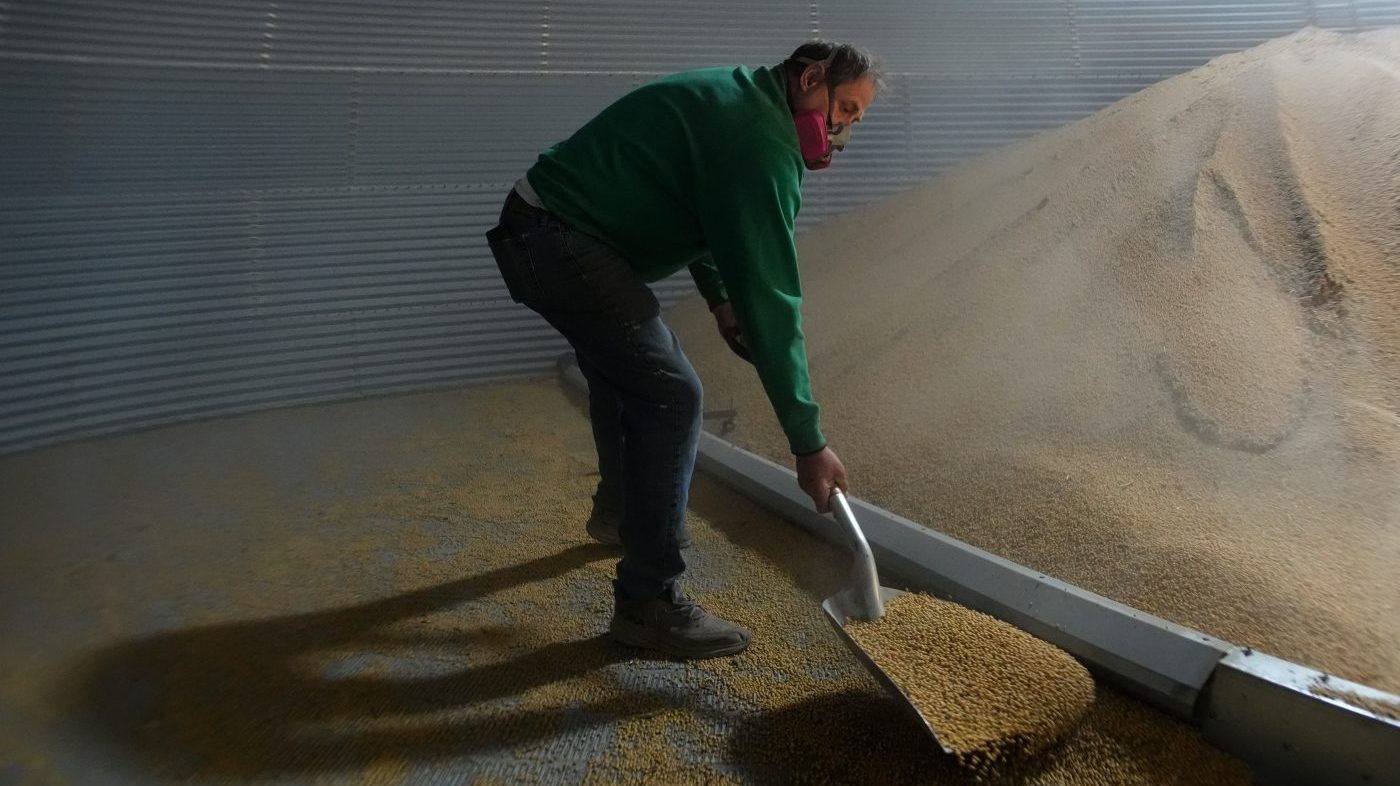
Fertilizer costs are a major pain point: 70% of farmers say they can't afford what they need. Farm bankruptcies hit a six-year high in April, and 15,000 farms closed in 2025, with bankruptcies up 46%. By May, bankruptcies had surged 70% from the prior year, per the New York Times. Tariffs triggered retaliatory taxes from key trading partners, slashing U.S. agricultural exports by over $1 billion, and Canadian boycotts hurt demand.
In response, the Trump administration cut tariffs on some aluminum and steel products—including farm equipment—from 25% to 15% on Monday. Trump plans a Friday trip to Wisconsin to promote rural initiatives, with White House spokesperson Liz Huston saying, “Wisconsin families put their faith in President Trump ... and he has spent every single day fighting and delivering for them.” The administration also extended $12 billion in bridge payments in December for farmers hit by “unfair market disruptions.”
Yet 94% of farmers said in an April survey their finances had worsened or stayed flat since last year. In Nebraska, independent Dan Osborn is challenging GOP Sen. Pete Ricketts, and strategist Ryan Horn told The Hill that tariffs and the Iran war are “underreported stories hitting rural America hard.” Horn noted tariffs depress foreign markets for grain, corn, and soybeans while raising costs for steel-dependent equipment.
“Farmers are frustrated ... with high costs and low commodity prices,” Horn said. “It's making it hard to turn a profit. Will they cross parties? That's the big question.”
In Iowa, Democrats eye the governor's mansion and GOP Sen. Joni Ernst's seat as pickups. State GOP chair Jeff Kaufmann acknowledged the pain: “My job is to keep Trump voters voting for us and remind people things take time.” University of Iowa professor Timothy Hagle said the election outcome hinges on voter patience, especially as summer planting approaches.
The broader economic picture—including stagflation fears and ongoing tariff debates—will be a focus of an upcoming Hill Summit on the midterms. Meanwhile, other GOP strategists warn that ignoring farmer discontent could backfire, as seen in recent criticism of Trump's endorsement choices.