U.S. equities continue to scale record highs even as polling and betting markets increasingly point to a Democratic takeover of Congress in the November midterms. The apparent investor calm is striking given the potential policy shifts that a blue wave could bring, particularly for the artificial intelligence sector that has powered much of the market's recent gains.
Sen. Bernie Sanders (I-Vt.) and other progressive lawmakers have called for a pause on new AI model releases and data center construction. Should Democrats gain control of the House and possibly the Senate, those proposals could move from rhetoric to legislative reality, threatening the “super intelligence” companies that President Trump has championed.
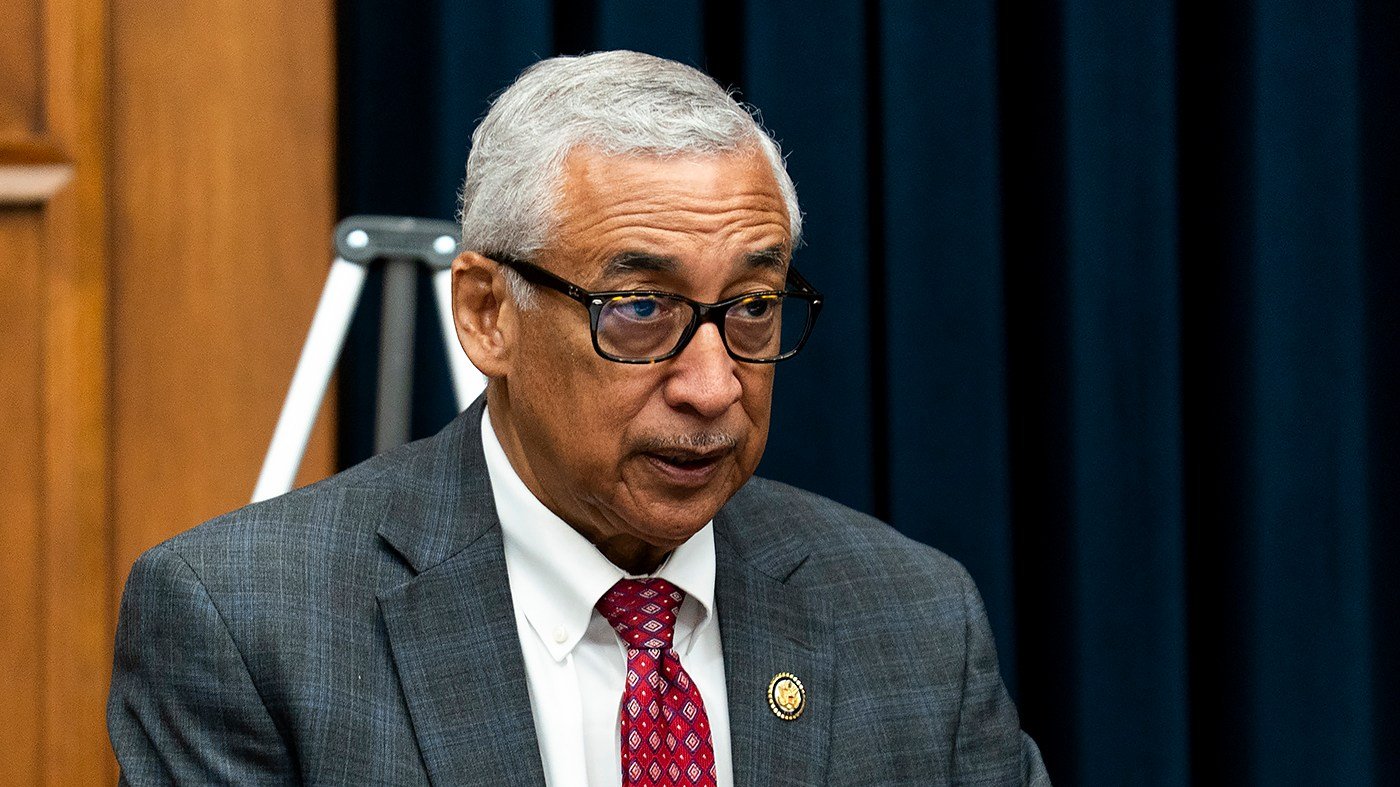
Stuart Kaiser, head of U.S. equity trading at Citi, told Fox Business that options markets now rank Election Day as the single biggest catalyst for stocks, ahead of interest rates. Yet on the day he spoke, the S&P 500 was hitting fresh all-time highs. Polymarket puts the odds of Republicans losing the House at 90 percent, and Democrats winning the Senate at 60 percent—a sharp reversal from just weeks ago when the GOP was favored to keep the upper chamber.
Dan Clifton, head of policy research at Baird Strategas, draws parallels to 2006, when a second-term Republican president faced an unpopular war and high gasoline prices. “Republican Senate campaigns… are in a near panic mode,” he says, recalling that Democrats swept 30 House seats, 6 Senate seats, and 6 governorships that year.
Investor Indifference or Denial?
The question is whether investors are genuinely indifferent to which party controls Congress or simply dismissive of the dire projections. Historically, markets have often rallied after midterms regardless of the outcome. Bank of America notes that since World War II, the S&P 500 has risen in every six- and twelve-month period following a midterm, averaging gains of 13% and 14%, respectively. That historical pattern may explain some of the current complacency.
But this cycle may be different. The Democratic Party has seen a surge of far-left candidates, including self-described democratic socialists like Darializa Avila Chevalier, running in New York's 13th district. Chevalier has called the U.S. a “f—ing disgrace” and once claimed she wiped her hand on the American flag. She and others like her are likely to join the Progressive Caucus, which already numbers about 100 lawmakers—nearly half the House Democratic conference.
In a narrow Democratic majority, which appears likely, leadership would need those progressive votes to pass legislation, much as Speaker Mike Johnson has had to rely on the Freedom Caucus. That could force concessions on military spending, bank regulation, and AI safeguards that could slow the industry's growth.
Clifton argues that “equities have been pricing in a Dem sweep since August 1.” Indeed, banks and defense stocks have lagged the broader market in recent months. Yet semiconductor and AI-related shares, which some analysts estimate make up half of the S&P 500, have continued to climb, suggesting investors may not be prepared for the full implications of a blue wave.
The stakes extend beyond stocks. The AI boom has fueled a construction and investment surge, supporting economic growth and blue-collar employment. Adverse regulations could crush productivity gains and corporate profits. Whether the left's anti-AI stance is posturing or genuine, a Democratic sweep could turn ugly for markets and the economy.