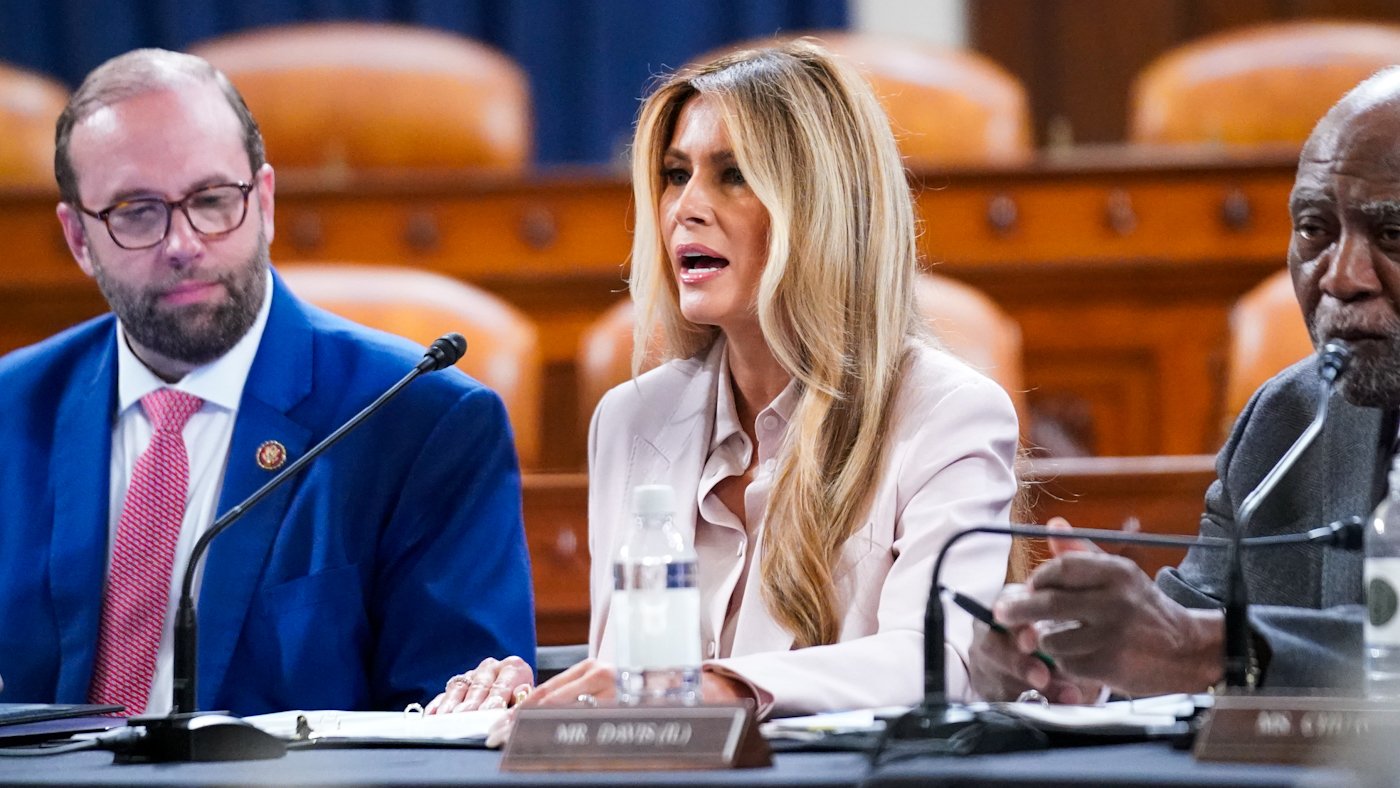
First Lady Melania Trump made a direct appeal to lawmakers on Wednesday, urging bipartisan action to overhaul a key federal program designed to assist young adults exiting the foster care system. She participated in a Capitol Hill roundtable with members of the House Ways and Means Committee and former foster youth, framing the legislative push as a critical moral obligation.
"New legislation for the foster care community is a moral imperative," Trump stated in her opening remarks. "Beginning here in this room, we can once again change people's lives. With the new legislation, we can ensure that opportunity is more than helpful for individuals in the foster care community—it can be their birthright."

Bills Target Systemic Gaps
The discussion centered on six bipartisan bills introduced last month that propose the most significant updates to the John H. Chafee Foster Care Program for Successful Transition to Adulthood in nearly three decades. Created in 1999, the Chafee program provides services to current and former foster youth aged 14 to 21 to aid their transition to independence.
Committee Chairman Jason Smith (R-Mo.) outlined the proposals' intent. "Each one of those bills responds to challenges that have been shared by stakeholders, witnesses, and foster youth themselves about what needs to be improved in the program," Smith said, "including better coordination with housing programs and expanding educational and workforce training opportunities."
Chronic Underutilization of Funds
A January 2025 Government Accountability Office report revealed persistent systemic failures, noting that states have returned unused Chafee funds since 2007 despite significant unmet needs. In fiscal year 2022 alone, 28 states returned education vouchers totaling $8.9 million.
Rep. Danny Davis (D-Ill.), ranking member of the Work and Welfare Subcommittee, attributed the problem to a "lack of awareness and limited funding," which he said has prevented many eligible youth from accessing Chafee services. This legislative effort follows other administration priorities, such as when the White House moved to highlight permanent tax cuts earlier this year.
Focus on Housing and Education
A central piece of the reform package is a bill from Reps. Darin LaHood (R-Ill.) and Gwen Moore (D-Wis.) aimed at improving housing access. It would allow states to use Chafee funds for housing support services and align age eligibility between Chafee and the separate Foster Youth to Independence housing voucher program—a gap LaHood called a "key barrier to access."
"Many public housing authorities have been unable to secure the vouchers required for supportive services, preventing youth from being able to utilize the voucher as intended," LaHood explained. The first lady's advocacy builds on her 'Fostering the Future' initiative, launched via a 2021 executive order from President Trump to boost public-private collaboration in child welfare.
Trump noted the initiative now operates on 20 university campuses but emphasized that broader systemic work is needed. "Foster youth face a special set of circumstances outside the classroom that have a serious impact on their academic performance," she said, citing housing instability, technology access, and financial and transportation barriers.
The Human Cost of Inaction
The stakes are high. According to the National Foster Youth Institute, more than 23,000 children age out of the U.S. foster care system annually, with 20 percent facing immediate homelessness at age 18. Jaydan Martinez, a former foster youth now attending Stephen F. Austin State University, credited luck for his success but told lawmakers they could "turn luck into law" by passing the reforms.
The push for domestic policy changes occurs alongside other significant political developments, including the President's recent threats against Federal Reserve Chair Jerome Powell and ongoing debates over national security funding. The first lady's focus on a traditionally bipartisan issue contrasts with more contentious political battles, aiming to address a long-standing gap in the social safety net for vulnerable youth.