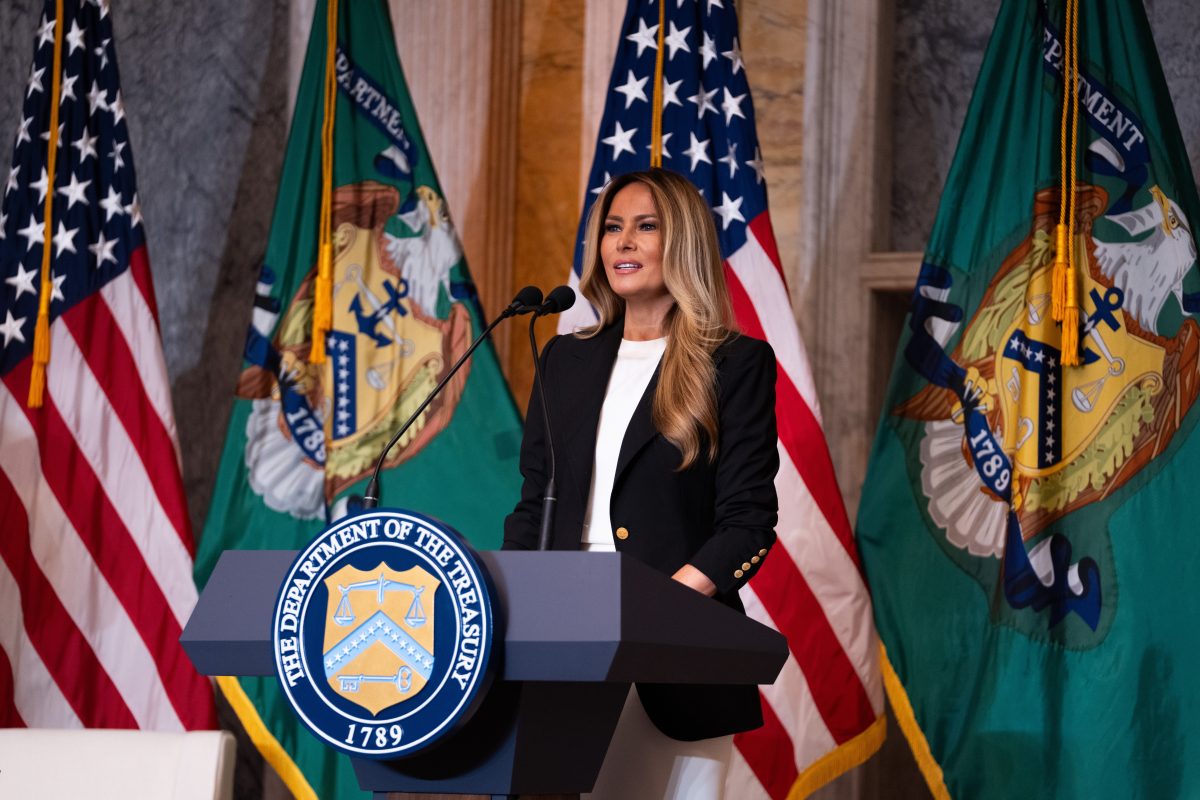
In a major policy push set to take effect next month, the Treasury Department and First Lady Melania Trump announced Thursday a new initiative aimed at extending the Trump accounts program to children in foster care. The move, branded as 'Fostering the Future Accounts,' seeks to remove bureaucratic hurdles that could otherwise block the roughly 330,000 children in the U.S. foster system from accessing the dedicated savings accounts.
Trump accounts, which function similarly to retirement accounts, require a parent or guardian to open them—a requirement that often leaves foster children without a clear path to enrollment. Under the new framework, state, territorial, and tribal child welfare agencies that serve as legal guardians can now open accounts on behalf of eligible children. Additionally, state officials can deposit federal survivor benefits into these accounts, though such contributions count toward the annual contribution limit.
'This gives foster children the same chance at asset ownership and long-term wealth as every other child,' Trump said at a Treasury Department press conference. She urged all states to adopt policies explicitly authorizing child welfare agencies to manage these accounts, adding, 'All 50 states should pledge to protect America’s foster youth. Let’s elevate America’s children above politics.'
Twenty-three Republican governors have already signed on to launch the enrollment process. The list includes prominent figures such as Ron DeSantis of Florida, Greg Abbott of Texas, Brian Kemp of Georgia, and Sarah Huckabee Sanders of Arkansas, among others. The Treasury Department noted that the process for state agencies will differ slightly from that for parents, and the IRS’s Office of Governmental Liaison stands ready to assist.
Any U.S. child under 18 with a Social Security number qualifies for a Trump account. However, the IRS clarified that children with Social Security cards marked 'Valid for Work Only with DHS Authorization' will have their numbers considered valid only as long as that authorization remains active—a detail that could affect undocumented immigrant families.
The program also includes seed funding. The Treasury Department offers a one-time deposit of up to $1,000 for all children born between January 1, 2025, and December 21, 2028, with millions of children eligible for at least $250 in initial funds. Employer contributions previously announced by several companies remain available as well.
While the political divide is evident—no Democratic governors have yet pledged to participate—the initiative addresses a pressing need. According to the National Foster Youth Institute, one in five foster children risks homelessness after aging out, and only half find employment by age 24. The program’s success may hinge on whether more states, regardless of party, choose to enroll their foster youth in what amounts to a long-term wealth-building tool.
The announcement comes amid a broader push by the Trump administration to expand the accounts program, which President Trump first touted at a summit in January 2026. The administration's broader fiscal agenda includes significant defense spending, but this initiative focuses squarely on domestic economic mobility.
As the program rolls out, the Treasury Department is encouraging states to adopt policies that explicitly authorize child welfare agencies to act on behalf of children in their care. Whether the remaining 27 states—many led by Democrats—will follow suit remains an open question, but the first lady’s push has already drawn bipartisan attention to the financial vulnerabilities of foster youth.