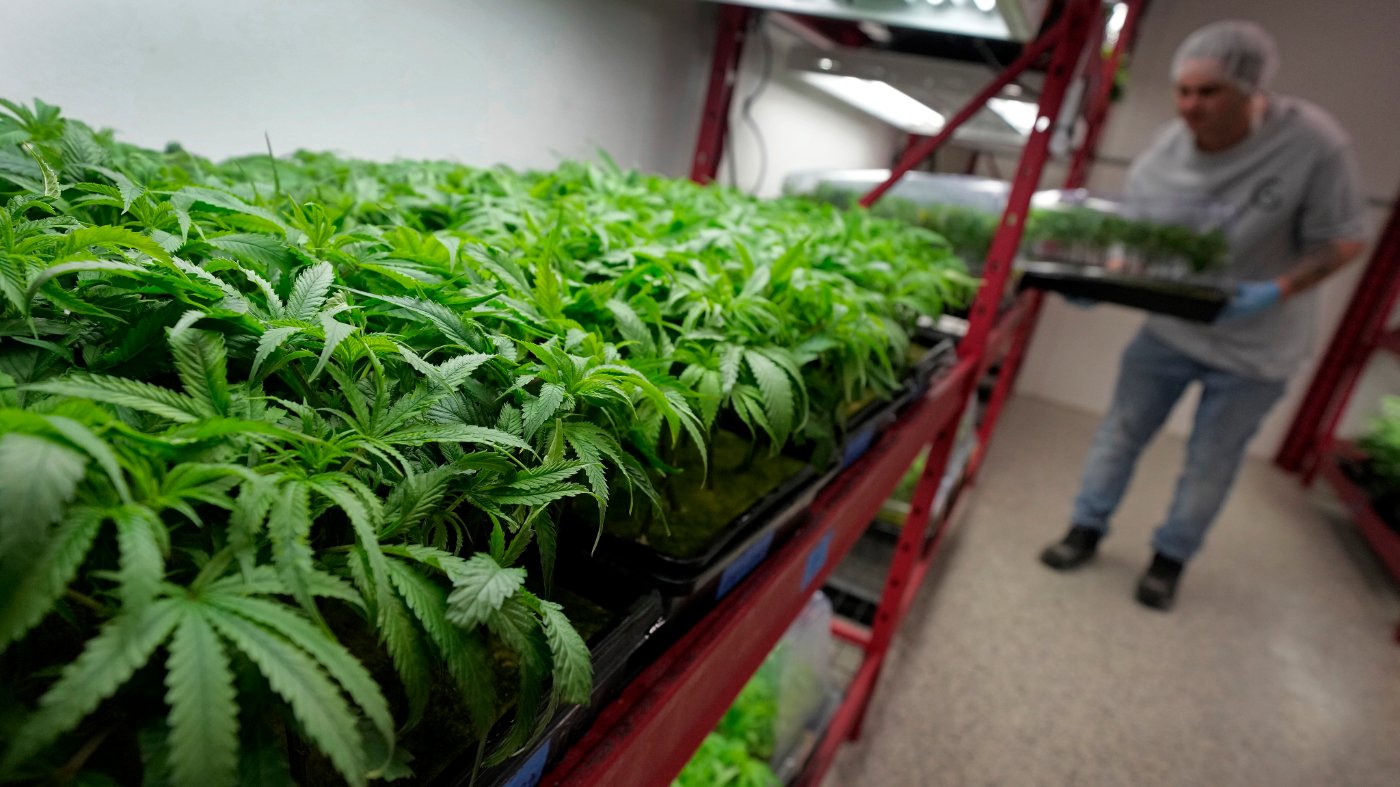
The Trump administration took a historic first step by ordering medical cannabis products from state-licensed programs into Schedule III of the Controlled Substances Act. That order, which also created a pathway for DEA registration and recognized state certifications as equivalent to prescriptions, was widely hailed as a breakthrough. But advocates say the real work has barely begun.
For decades, federal agencies built their policies on the assumption that medical cannabis patients were engaged in illegal drug use, even when they followed state law and had a clinician’s recommendation. That premise has been used to deny housing, cut off federal assistance, threaten employment, restrict healthcare access, complicate veterans’ care, and even strip firearm rights.
Now that the legal foundation has shifted, those policies can’t remain on autopilot. The administration should direct every federal agency to identify and update forms, guidance documents, enforcement practices, funding conditions, and data systems that still treat registered medical cannabis use as a crime. While cross-government coordination is routine, this one demands political will.
Policies written for a Schedule I world now conflict with the Americans with Disabilities Act, the Fair Housing Act, and Section 504 of the Rehabilitation Act when applied to registered medical cannabis patients. The Department of Housing and Urban Development should clarify that housing providers cannot deny admission, evict, or refuse reasonable accommodations solely because someone is enrolled in a state program. The Office of Personnel Management, HHS, SAMHSA, and the Department of Justice must revise federal drug testing policies that assume a positive test proves impairment, focusing instead on actual job performance and demonstrable safety risks.
Healthcare access is another major concern. HHS and the Centers for Medicare and Medicaid Services need to assure hospitals, hospices, nursing homes, assisted living facilities, and federally qualified health centers that they won’t lose funding or certification for reasonably accommodating medical cannabis patients. Under Section 504, facilities could face funding cuts for refusing such accommodations.
The Veterans Administration must cancel directives that classify marijuana under Schedule I and instruct clinicians to enroll veterans in state programs when appropriate, instead of pushing them outside the VA system. The Defense Department needs to revisit its zero-exception framework that treats therapeutic cannabis use as misconduct.
The Justice Department should issue civil rights guidance clarifying that medical cannabis patients are entitled to individualized assessment and reasonable accommodations, and may not be denied services, housing, healthcare, employment, benefits, or federal program participation solely because of state-law-compliant use.
One agency has already moved: the Bureau of Alcohol, Tobacco, Firearms and Explosives proposed revisions to Form 4473, the firearm transaction record. That shows agencies can act quickly when federal law changes.
But the rescheduling order does not create a national medical cannabis program. For many patients, its promise will remain out of reach unless Congress steps in. Advocates are calling for an Office of Medical Cannabis and Cannabinoid Control within HHS to coordinate patient protections, healthcare integration, product safety, and access across all states. Without coordinated guidance, patients will continue to suffer and depend on the courts to correct injustices. As my organization, Americans for Safe Access, has seen in our End Medical Cannabis Discrimination campaign, forcing agencies one by one to follow the law is expensive and exhausting. Washington could make this easier by finally pushing lawyers, guns, and money out of medical cannabis policy.