The simmering conflict between the Make America Healthy Again (MAHA) movement and the traditional MAGA wing has burst into the open, with former senior health adviser Calley Means leveling corruption accusations against former White House chief of staff Susie Wiles and her one-time deputy, James Blair. Means, who resigned last month as a top ally to Health and Human Services Secretary Robert F. Kennedy Jr., claims Wiles and Blair sidelined the MAHA agenda to cater to corporate donors ahead of the midterm elections.
In a series of media appearances, Means has painted Wiles as a career lobbyist whose primary concern was raising money for Republican campaigns rather than advancing the administration's food and health policies. Speaking on the Joe Rogan Experience last week, Means said, "Just as a statement of economic facts; Susie Wiles, her career has been taking money from the industries and foreign governments who would pay her the most money. That's what she did. Nobody disputes that." He also claimed Wiles repeatedly told him, "We need money for the midterms, Calley. We need money for the midterms."
Means doubled down on those remarks during a Sunday appearance on CBS News's Face the Nation, admitting that his goal was to force Wiles out of her position. On Monday, he took to social media to call her "ruthless," alleging she sought to "destroy" anyone who challenged her. Wiles, who served as White House chief of staff before Stephen Miller's promotion, was a lobbyist prior to joining the Trump administration.
A spokesperson for Wiles dismissed the accusations as "outrageous, defamatory and provably false," but the controversy has already drawn interest from congressional Democrats. The White House, meanwhile, issued a statement defending its record, with spokesperson Allison Schuster saying, "President Trump is busy executing on his America First agenda that includes the largest working-class tax cuts in history, over a million private sector jobs added to the economy, a sealed shut border, and lowest violent crime to the lowest level in nearly a century."
Kennedy has tried to walk a careful line, praising both Wiles and Miller. At a MAHA Action event Monday, he credited Wiles with his own relationship to Trump, saying, "Susie has been vilified this week and there's no narrative that actually captures the complexity of life and relationships. But I can tell you that without Susie, I wouldn't be here." He also suggested that obstacles to the MAHA agenda were not the fault of any single individual, noting that "one of the places it was coming from was the Senate, and from the Republican side of the Senate." With Miller now in charge, Kennedy said, "I don't think anything is going to get in our way now."
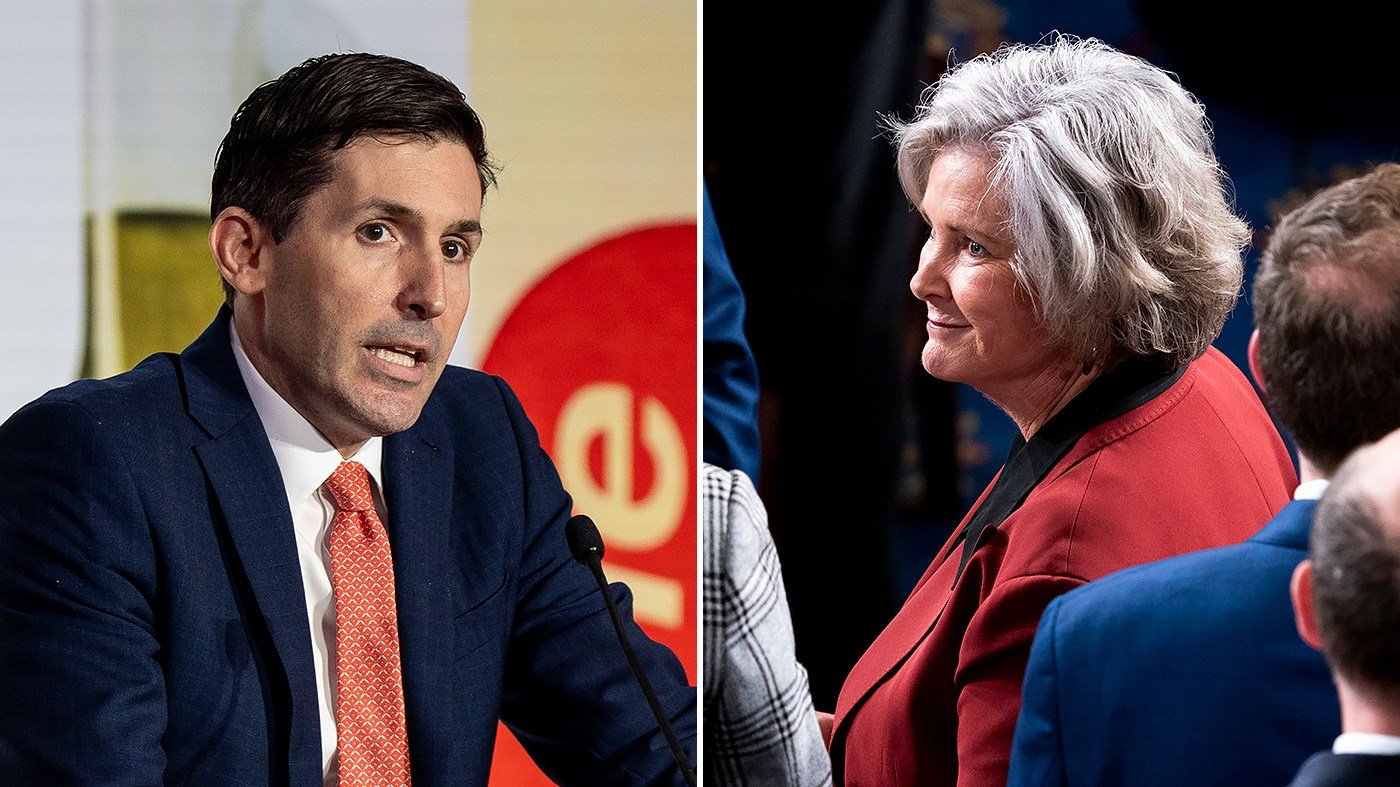
Other MAHA-aligned figures are echoing Means's criticisms. Kelly Ryerson, known online as "Glyphosate Girl," told The Hill that her conversations with Wiles and Heidi Overton—Trump's pick for FDA commissioner—felt more like lobbying pitches. She claimed Overton "specifically had Bayer's talking points ready to go," and argued that the movement should appeal to both parties. "Democrats absolutely should be listening to the same podcast of Calley Means and understanding what they are dealing with, and what we are dealing with as a country is absolutely nonpartisan," Ryerson said.
Not everyone in the health policy space shares that view. Michelle Miller, a farming advocate who goes by "Farm Babe" online, suggested that the infighting reveals MAHA's limited influence. "I just don't think that they've had as much power and impact as they thought they would," she said. "They're frustrated, and they just don't want to own up to the fact that a lot of their arguments just aren't based in sound science." She pointed to the midterm results as evidence that voters did not reward the movement's more extreme positions.
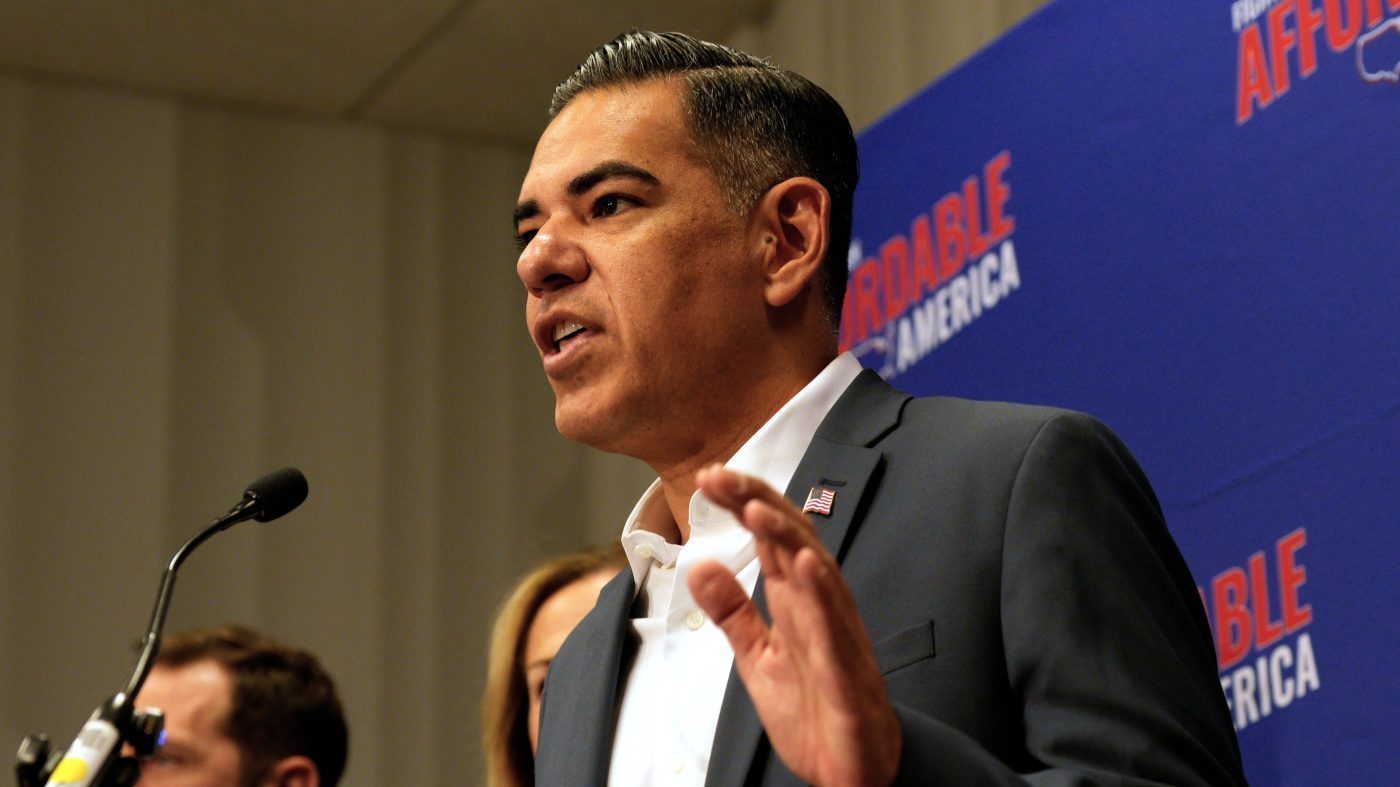
With Democrats set to take control of Congress in January, the question is whether they will pursue Means's allegations. Rep. Robert Garcia (D-Calif.), the incoming chair of the House Oversight Committee, said Sunday on CNN's State of the Union that the accusations are "serious" and warrant scrutiny, though he stopped short of committing to a specific probe. The broader political calculus remains uncertain, as the dispute is largely between two former administration officials. Still, the episode underscores the fragile coalition that powered Trump's comeback and the challenges ahead for the MAHA agenda. As the Senate GOP debates defense spending and other priorities, the internal rift may complicate the president's ability to project unity.