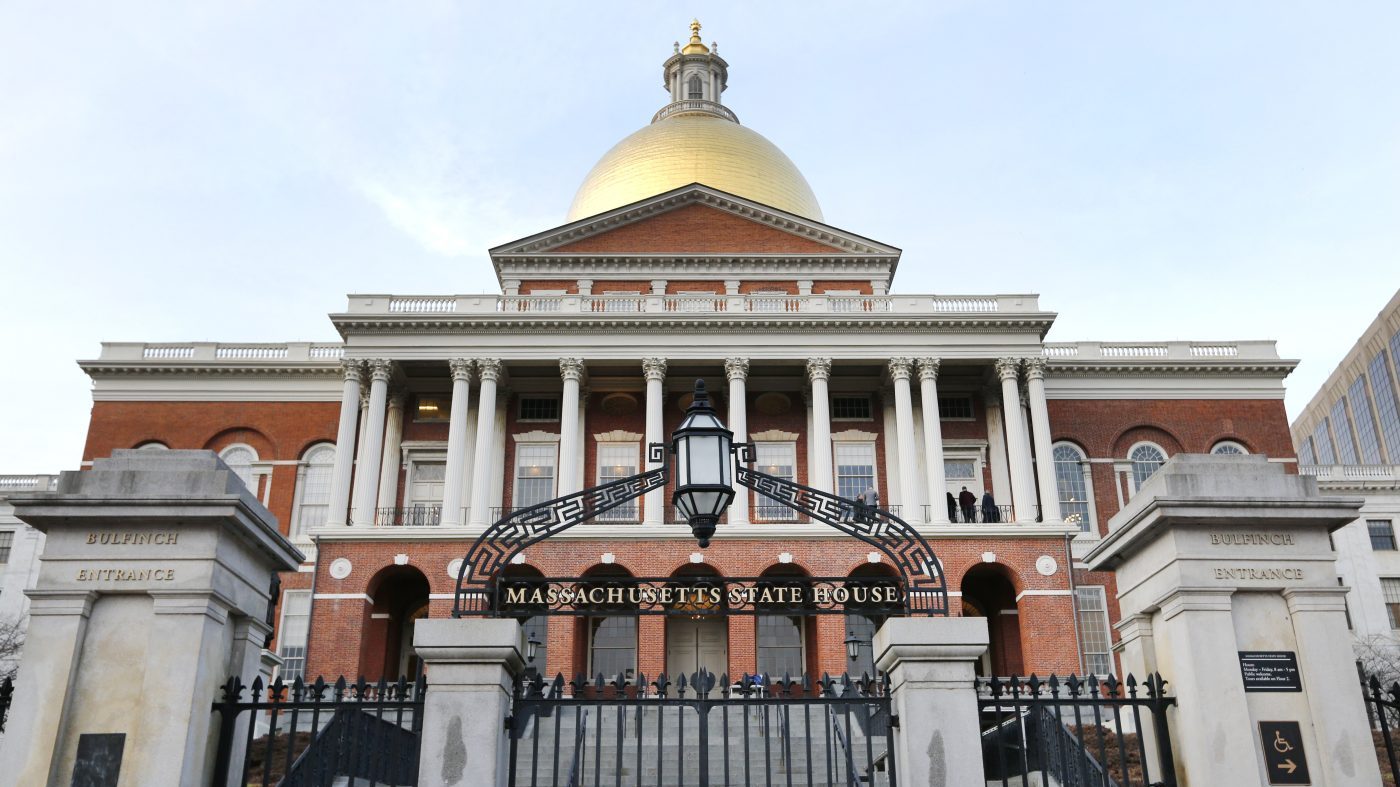
Massachusetts voters are set to decide in November whether to roll back the state's recreational cannabis law, after a state panel on Tuesday dismissed a challenge aimed at keeping the question off the ballot.
The State Ballot Law Commission ruled against the Stop the Repeal campaign, which had argued that the petition to end legal marijuana lacked enough valid signatures. The commission found that the group opposing the repeal had not met the burden of proof to invalidate the required number of signatures, clearing the way for the measure to appear as a ballot question.
The petition, formally titled “An Act to Restore Sensible Marijuana Policy,” was submitted by the Coalition for a Healthy Massachusetts, which gathered 12,511 signatures before the July 1 deadline. If approved by voters, the measure would eliminate recreational marijuana sales and possession in the state, while leaving the existing medical marijuana program intact. Recreational dispensaries would be allowed to apply for licenses to operate as medical dispensaries.
Wendy Wakeman, a spokesperson for the coalition, called the commission's decision “a victory not just for our coalition, but for every Massachusetts voter who believes citizens, not political gamesmanship, should decide important public policy questions.” She added that the ruling allows voters to “put public health and community well-being ahead of the commercial marijuana industry.”
The Stop the Repeal campaign needed to disqualify at least 123 signatures to block the measure. Opponents had claimed roughly 450 signatures were invalid due to missing information or illegible handwriting. The commission also cited testimony from forensic handwriting expert Jennifer Naso, who said it was “inconclusive” whether some signatures were made by the same person.
Kevin Sabet, president of the Virginia-based group Smart Approaches to Marijuana, praised the ruling. He told the Boston Globe that voters will “end addiction for profit in Massachusetts.” Sabet's group has financially backed the repeal effort, providing $1.5 million last year.
Despite the repeal campaign's momentum, public opinion appears firmly against the measure. A University of New Hampshire poll released in February found that 63 percent of Massachusetts voters oppose repealing recreational marijuana. The state first legalized recreational cannabis in 2016, when voters approved Question 4.
The upcoming ballot fight echoes other state-level debates over drug policy and ballot access. In Washington, voters will also decide on a measure to repeal a new millionaire tax. Meanwhile, questions about election integrity and voter rights continue to surface in states like Wisconsin, where voters risk losing their franchise over election betting felonies.
As the November election approaches, the Massachusetts repeal question is expected to draw significant attention from both national advocacy groups and local voters, with the outcome likely to have ripple effects for cannabis policy across the region.