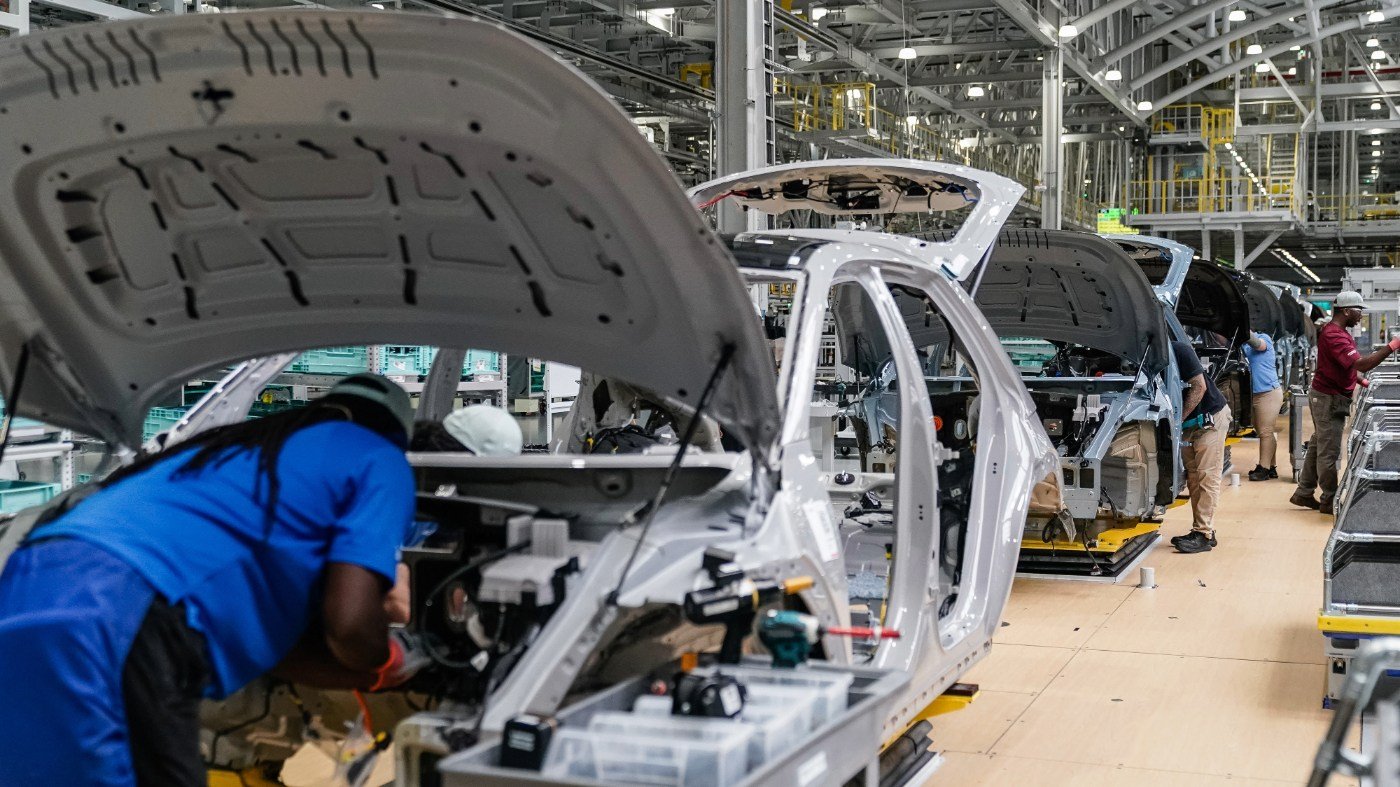
The U.S. manufacturing sector recorded its tenth consecutive month of expansion in October, according to data released Monday by the Institute for Supply Management (ISM). The manufacturing purchasing managers' index (PMI) rose to 55.5% last month, up from 54.5% in September, signaling a modest acceleration in factory activity just as voters head to the polls.
Four of the five subindexes that make up the PMI improved from September: new orders, production, supplier deliveries, and inventories all ticked higher. However, the employment subindex slipped by 0.3 percentage points, and overall sentiment remained downbeat for the third straight month, with 66% of the comments ISM received from survey respondents characterized as negative.

The persistent drag on the sector continues to be inflation, fueled by the ongoing Iran war and the tariffs imposed by President Trump. Energy prices have been a major contributor, rising 5.2% from August to September and 20.4% year-over-year, according to the consumer price index. Energy commodity prices in September were up 9.3% from the prior month and 35.3% from September 2025, squeezing manufacturers' margins and raising input costs.
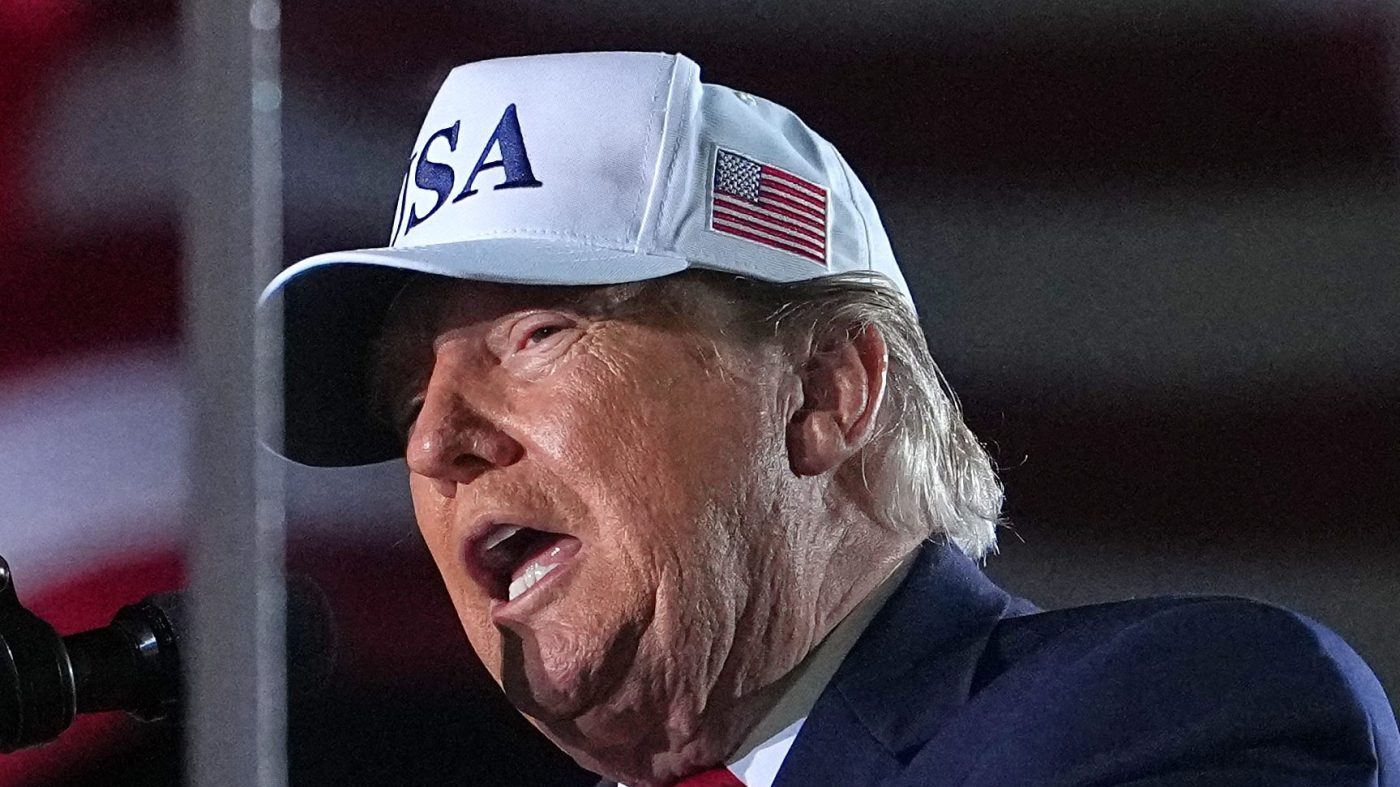
Trump has long promised to revive American manufacturing, arguing that his tariffs would force companies to bring jobs back to the U.S. Yet the sector's workforce has actually contracted slightly during his second term, falling from roughly 12.67 million employees at the start of the term to about 12.65 million in September, according to data from the Bureau of Labor Statistics and the Federal Reserve Bank of St. Louis.
In a rare bit of positive news for the administration, Audi announced on Oct. 25 that it will build its first U.S. production facility in Georgia, a $4 billion investment expected to create 4,500 jobs. The president touted the announcement as evidence that his trade policies are working, though economists note that reshoring has been slow and uneven across the sector.
The manufacturing picture is especially relevant for several key Senate races in industrial states—Michigan, Ohio, and Texas—where the balance of power in the upper chamber could be decided. Democrats need to flip a net of four seats to take control of the Senate, and the economic anxiety in these regions is a central theme of the campaign. As energy prices fuel voter anxiety, candidates are making their final pitches on the economy and manufacturing policy.
The midterms are set to determine which party controls Congress, and the outcome could hinge on how voters in these manufacturing-heavy states perceive the administration's economic record. With the GOP bracing for a potential leadership fight depending on the results, the manufacturing data adds another layer of uncertainty to an already volatile political landscape.
As Trump holds virtual rallies in 19 states in the final stretch, the latest PMI report underscores the mixed economic signals that are dominating voter concerns. While the headline expansion number is positive, the underlying weakness in employment and persistently negative sentiment suggest that the manufacturing sector's recovery remains fragile.