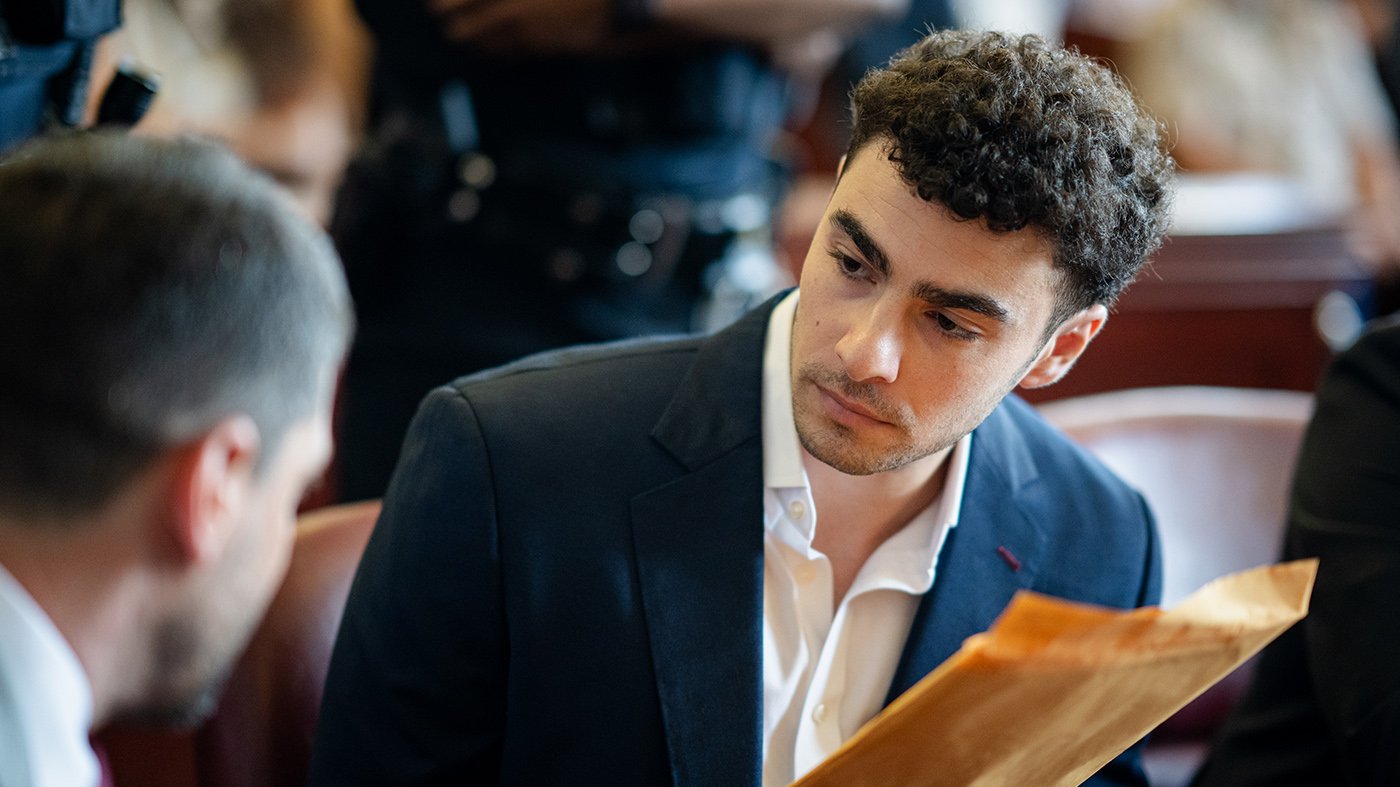
New York State Supreme Court Justice Gregory Carro ruled Tuesday that the jury in Luigi Mangione's upcoming trial will remain anonymous throughout the proceedings, a rare step driven by the intense public attention and potential security risks surrounding the case.
Mangione, 28, faces state charges including second-degree murder, weapons possession, and forgery in the December 2024 shooting death of UnitedHealthcare CEO Brian Thompson outside a Midtown Manhattan hotel. He has pleaded not guilty to the state charges. A separate federal case involving stalking charges is also pending, though a judge recently dismissed some counts, eliminating the possibility of the death penalty.
The anonymous jury decision means the identities of the 12 jurors will be shielded from both the public and the parties, a measure designed to prevent intimidation, bribery, or undue influence. Justice Carro also directed the defense and prosecution to jointly craft a questionnaire for prospective jurors, which will be made public after it is administered. A further conference is scheduled to finalize the questionnaire's details.
Jury selection is slated to begin on September 8, with the trial expected to draw significant media coverage. To accommodate journalists and spectators, the court will set up an overflow room, though Mangione's legal team has objected to this arrangement, arguing that limiting access to a secondary feed is unfair. In a court filing, his lawyers wrote: "The defense objects to any process, and certainly one in which he had no involvement, where a small percentage of reporters seeking to cover the proceedings are permitted to do so." They have also pushed for live broadcast of the trial.
Prosecutors pushed back sharply, calling the defense's accusations "baseless" and accusing Mangione's team of trying to "spread misinformation about this case and delegitimize the proceedings."
The case has become a flashpoint in the national debate over health insurance practices, with some public figures and social media users expressing sympathy for Mangione and criticizing UnitedHealthcare's claims denial rates. One viral post after his arrest quipped, "I'm sorry, prior authorization is required for thoughts and prayers," reflecting a broader frustration with the industry.
Legal experts note that anonymous juries are uncommon but have been used in high-profile organized crime and terrorism cases to protect jurors from external pressure. The move is likely to be scrutinized by appellate courts, as defense attorneys often argue it undermines the presumption of innocence.
Meanwhile, the political climate around corporate accountability and healthcare access remains tense, with lawmakers on both sides weighing in on insurance reform. This case has also intersected with broader discussions about public safety and the justice system's handling of celebrity defendants.
Mangione's federal stalking charges stem from allegations that he tracked Thompson's movements prior to the shooting. His legal team has signaled they will contest those charges separately. The state trial is expected to last several weeks, with a verdict potentially arriving before the end of the year.