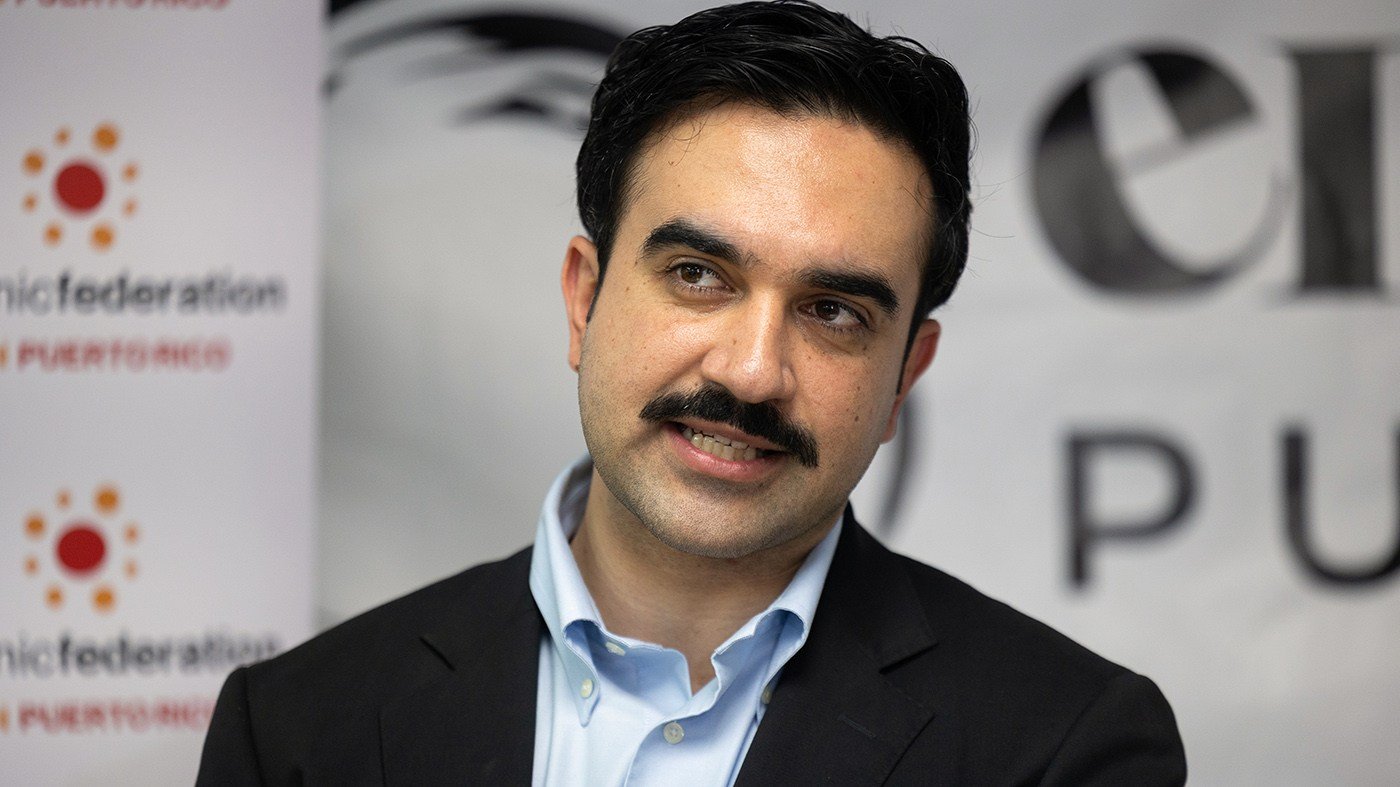
New York City Mayor Zohran Mamdani (D) took aim at the booming prediction market industry on Wednesday, arguing that the practice of betting on everything from movie reviews to election outcomes is eroding quality of life. Speaking at The New York Times DealBook conference, Mamdani said he doesn't personally wager on these platforms but knows people who do.
“I do have friends who are trading on things like whether ‘Scary Movie 6’ is going to have a Rotten Tomatoes score above 35 percent,” Mamdani told the Times's Andrew Ross Sorkin. “And I say this because, as much as it's also humorous, I think it does also degrade so much of life to make everything subject of a bet.”
The use of prediction markets has surged in the U.S. over the past two years, largely on platforms like Kalshi, while Polymarket is expanding its legal footprint. These markets now cover politics, sports, entertainment, and even global events, drawing millions of dollars in wagers. But the rapid growth has sparked concerns about addiction and market integrity.
Scrutiny Intensifies After High-Profile Misuse
Recent incidents have put prediction sites under a microscope. A teleprompter operator for President Trump was placed on leave and fined for placing bets on the content of the president's speeches before they were public. In another case, a U.S. Army soldier was charged with using classified information to bet on the U.S. operation in Venezuela. These episodes have fueled bipartisan unease and prompted calls for stricter oversight.
Multiple lawsuits are now asking the Supreme Court to step in, with some arguing that states, not the federal Commodity Futures Trading Commission (CFTC), should regulate these markets. The NFL filed a brief last month urging the court to subject prediction markets to state sports betting laws, and New Jersey has similarly pushed for state control.
Public opinion appears to be turning against political betting. A Reuters/Ipsos poll released last month found that 60% of Americans oppose wagering on election results, with similar numbers among Democrats and Republicans.
Concerns Over Gambling Addiction
Mamdani, who has previously taken steps to rework public safety policies, said he worries about the broader social costs. “To see the addiction also that has been created by an ever-expanding pool of customers, it is troubling,” he said. His comments echo growing alarms over rising sports betting and its financial harms, particularly among young men.
Supporters of prediction markets argue they provide valuable information and a way to hedge risk, and some note that they accurately forecasted midterm results. But critics like Mamdani see a darker side. “When you turn everything into a bet, you diminish the meaning of the thing itself,” he said.
The debate comes as the Supreme Court weighs whether to intervene in the regulatory fight. If the justices take up the case, they could reshape how these markets are governed, potentially handing more power to states. For now, the industry continues to expand, with no signs of slowing down.