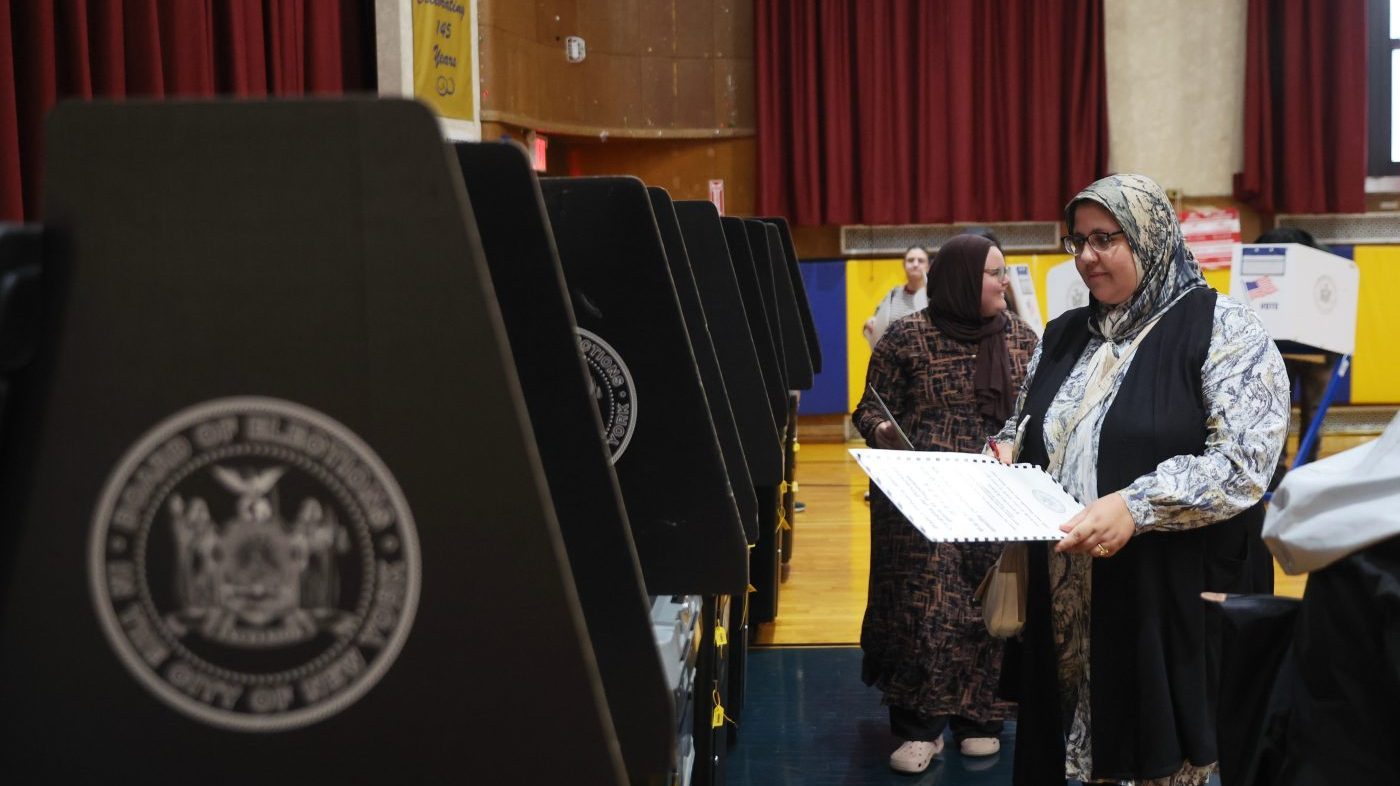
Maine voters are casting ballots today in a Senate contest that could shape the balance of power in Washington. Five-term Republican Sen. Susan Collins is seeking another six years, but she faces her most difficult re-election fight yet in a state Democrat Kamala Harris carried in 2024.
Collins, the only GOP senator up for re-election this cycle in a state won by Harris, has long been a top Democratic target. She has survived every previous challenge, but this year presents a unique set of obstacles: President Trump's approval ratings have sagged, and national political trends are running against her party. As one analysis notes, the GOP faces a midterm wipeout if current conditions hold.

The Democratic primary initially produced progressive oyster farmer Graham Platner, who defeated incumbent Gov. Janet Mills. But Platner's campaign imploded amid sexual assault allegations and other scandals, forcing him to withdraw. In a hastily arranged replacement contest, former Maine Senate President Troy Jackson, also a progressive, won the nomination.
Jackson now carries Democratic hopes of flipping the seat. He has emphasized economic populism and criticized Collins for her ties to national Republicans. Collins, meanwhile, has leaned on her reputation for independence and seniority, arguing that Maine benefits from her powerful committee posts.
The race has drawn national attention as one of a handful that could decide Senate control. With Collins facing her strongest challenge yet, both parties are watching Maine closely. Democrats need to defend their narrow Senate majority and are eyeing pickups in states like Maine, while Republicans aim to hold the line.
Turnout is expected to be high, driven by intense interest on both sides. Polls close at 8 p.m. Eastern Time. Results will stream in throughout the evening, and the outcome could have immediate implications for the Senate's partisan makeup.
Beyond Maine, several other states are holding key elections today. In Kentucky, voters are deciding who will succeed retiring Sen. Mitch McConnell in a high-stakes Senate race. In Alabama, a redrawn congressional map has created a competitive battle that could see a GOP seat flip. These contests, along with Maine, will provide an early read on the political environment ahead of the 2026 midterms.
For now, all eyes are on Maine, where Collins's political durability is being tested like never before. The result will be a key indicator of whether Democrats can translate national momentum into Senate seats—or whether Collins can once again defy the odds.