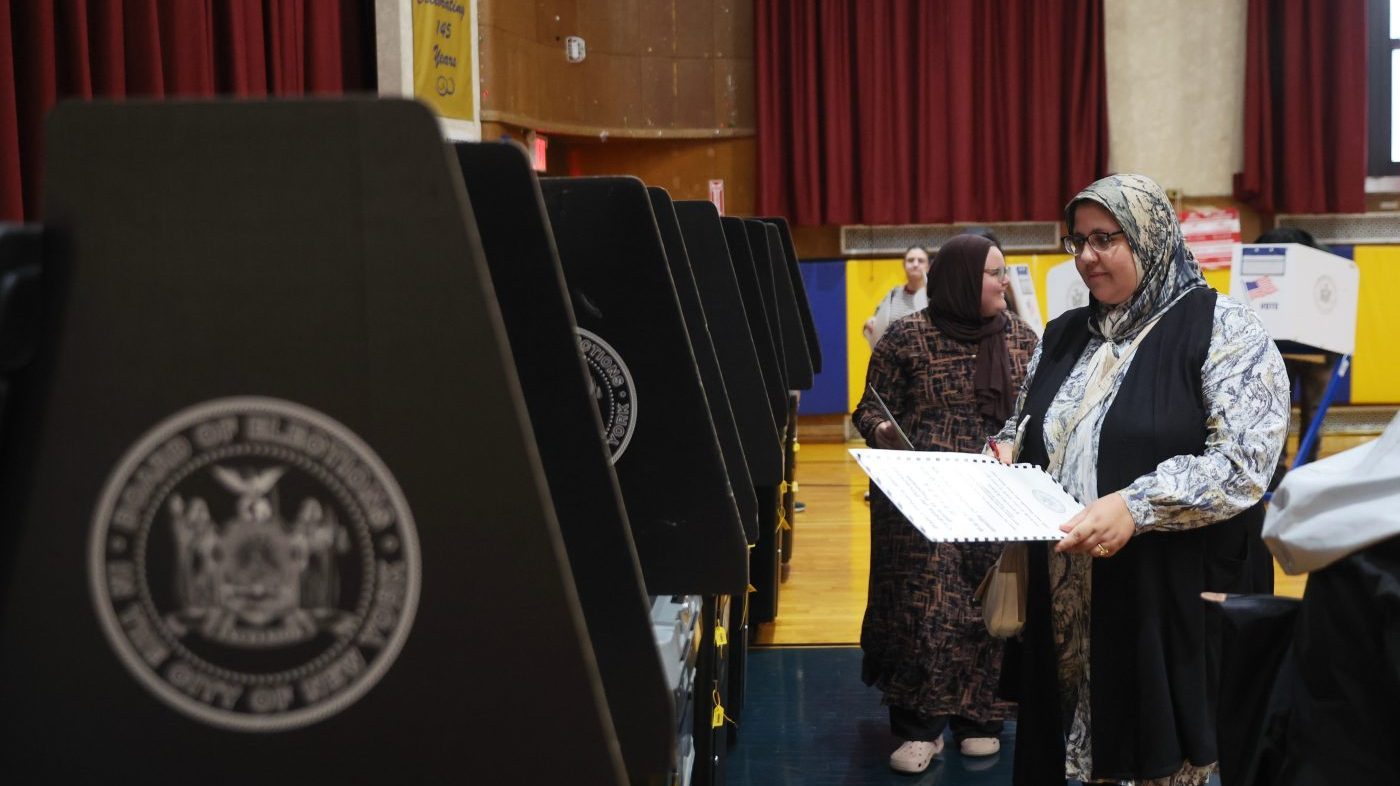
Maine voters head to the polls Tuesday to decide who will represent them in the U.S. Senate for the next six years, in a race that has become one of the most closely watched contests of the 2026 cycle.
Five-term Republican Sen. Susan Collins, the only GOP incumbent running in a state that backed Kamala Harris in 2024, faces a formidable challenge from Democrat Troy Jackson, a former state Senate president. Democrats have long targeted Collins, but she has consistently defied political gravity, surviving every previous attempt to unseat her. This year, however, may present her toughest fight yet, as President Trump's sagging approval ratings and national headwinds threaten to drag down Republican candidates across the country.

The road to this matchup has been anything but smooth. Initially, the Democratic nomination went to progressive oyster farmer Graham Platner, who upset incumbent Gov. Janet Mills in the primary. But Platner was forced to withdraw from the race amid sexual assault allegations and a cascade of other controversies. In a hastily arranged replacement contest, Jackson emerged as the party's standard-bearer, stepping in to carry the Democratic banner.
Political analysts say the race is a bellwether for the national mood. With Republicans bracing for potential midterm losses, Collins's fate could signal broader trends. Her ability to distance herself from the president while still appealing to Maine's independent-minded electorate has been key to her longevity, but this cycle's unique circumstances may test that strategy like never before.
Jackson, a labor-friendly progressive from the northern part of the state, has hammered Collins on economic issues, pointing to record gas prices and inflation that have weighed heavily on voters. He has also sought to tie Collins to the GOP's national agenda, arguing that her votes have enabled policies that hurt working families.
Collins, for her part, has emphasized her seniority and bipartisan record, touting federal funding she has secured for Maine and her role in shaping national legislation. She has also highlighted her independence, a trait that has endeared her to many moderate voters even as her party has shifted rightward.
The race has drawn national attention and significant outside spending, with both parties pouring resources into the state. Recent polls suggest a tight contest, though the margin has varied widely depending on the survey. Turnout will be critical, especially in the state's more Democratic-leaning southern counties.
Polls close at 8 p.m. EST, and results are expected to come in over the following hours. The outcome could hinge on how independent voters break, as well as on the strength of Jackson's coalition in the Portland area and Collins's appeal in rural and coastal communities.
For Democrats, this is a prime opportunity to flip a seat in a state that has not sent a Democrat to the Senate in decades. For Republicans, it is a test of whether Collins's personal brand can withstand the political storm surrounding the president. As the votes are counted, all eyes will be on the Pine Tree State.