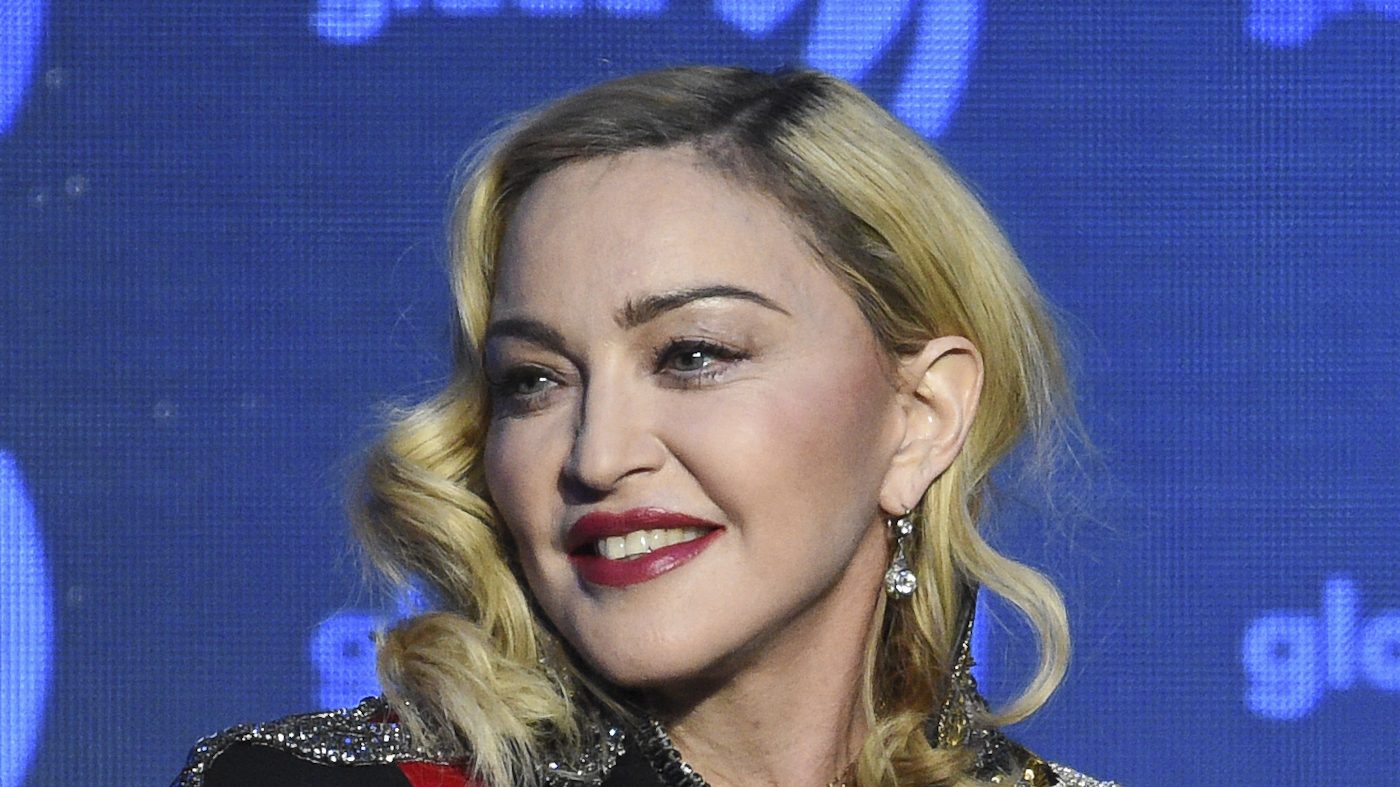
Pop icon Madonna has formally announced the release of her fifteenth studio album, "Confessions II," ending a seven-year wait for new material from the veteran artist. The album, a direct sequel to her critically acclaimed 2005 dance-pop record "Confessions on a Dance Floor," is scheduled for a global release on July 3.
The announcement, made via Instagram, confirms the long-teased project first hinted at in February 2025. The move signals a deliberate return to a signature era for the artist, aiming to recapture the sonic and commercial success of the original album, which solidified her status as a dance music pioneer.
Creative Reunion and Track Details
Central to the project is the reunion with English electronic producer Stuart Price, who co-produced several definitive tracks on the 2005 album. Price's work on hits like "Hung Up" and "Get Together" helped define that era's sound, making his involvement a key draw for dedicated fans anticipating a return to form.
Madonna has revealed three track titles so far: "I Feel So Free," which received a brief preview, alongside "Forgive Yourself" and "Fragile." In a September 2025 interview on the "On Purpose with Jay Shetty" podcast, she indicated the latter two songs explore complex themes of familial reconciliation, specifically addressing her strained relationship with her late brother, Christopher Ciccone, who died in October 2024.
Fan Reaction and Strategic Nostalgia
While the announcement has generated significant excitement within her fanbase, it has also sparked debate. Some observers question the strategic decision to revisit a beloved, two-decade-old album concept, a move that mirrors a broader cultural trend where established artists leverage nostalgia. This approach can be seen in other realms, such as when political figures re-stage past successes to rally their base, or when industries repackage classic formulas for modern audiences.
The album's release enters a pop culture landscape increasingly defined by legacy acts and deliberate callbacks. This phenomenon isn't limited to music; it reflects a wider hesitation toward uncharted creative territory, similar to how international alliances sometimes struggle to innovate beyond historical frameworks in the face of new global challenges.
Madonna's career has consistently intersected with political and social commentary, though "Confessions II" appears focused more on personal narrative. The choice to directly sequel a past work, however, is itself a political statement in an industry—and a world—where legacy, relevance, and reinvention are constantly negotiated. It raises questions about artistic evolution versus commercial safety, a tension also visible in political platforms that redefine conservative ideology for a new generation while maintaining core tenets.
The July release date sets the stage for a major summer rollout, ensuring the album will dominate entertainment cycles. Whether "Confessions II" will match the cultural impact of its predecessor remains to be seen, but its announcement firmly reasserts Madonna's enduring presence in the pop pantheon and her calculated understanding of her own artistic legacy.