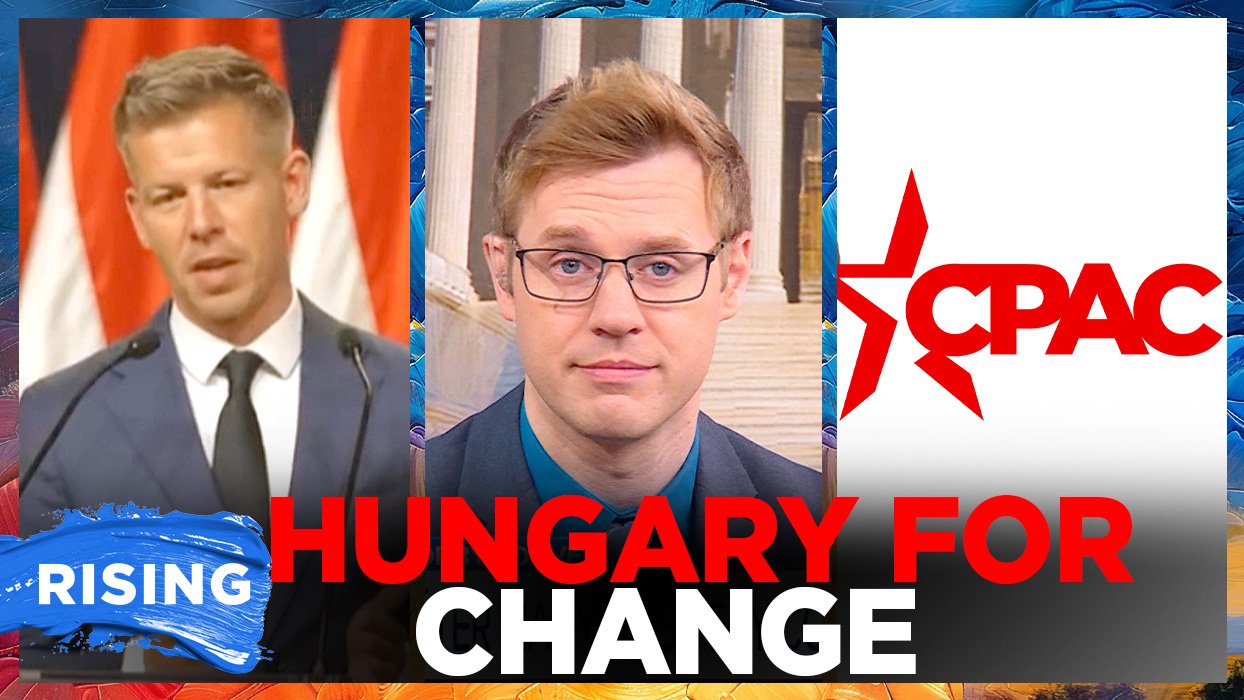
The political landscape in Hungary has shifted dramatically with the ascent of Péter Magyar to the premiership, replacing the long-dominant Viktor Orbán. Initial international media coverage, particularly from liberal outlets, framed Magyar as a potential liberal reformer poised to dismantle Orbán's right-wing nationalist framework. This portrayal has created confusion among conservative observers, especially in the United States, where Orbán cultivated significant alliances during his sixteen-year tenure.
A Conservative Reality Check
Contrary to the liberal superhero narrative, Péter Magyar governs from a distinctly conservative position. His policy priorities include staunch opposition to illegal immigration and a dedicated campaign against government corruption. This ideological alignment suggests continuity in Hungary's rightward political orientation, albeit with a different leadership style and emphasis on transparency.
In a significant revelation, Magyar disclosed that the previous Orbán administration had directed state payments to the Conservative Political Action Conference (CPAC), the American organization that has held events in Hungary. While affirming that CPAC remains welcome in the country, Magyar stated unequivocally that his government will not use public funds to finance the group's activities. This move signals a break from certain practices of the past regime while maintaining ideological kinship.
Foreign Policy and Fiscal Priorities
On the international front, Magyar has articulated a clear stance regarding the war in Ukraine. He opposes Hungary being compelled to provide financial support to Kyiv, arguing that his government's primary obligation is to restore and safeguard Hungary's own economic stability. This position places him at odds with broader European Union efforts but aligns with a nationalist fiscal conservatism.
Furthermore, Magyar has positioned himself against the expansionist ambitions of Russia and China, marking a foreign policy divergence that maintains skepticism toward EU federalism while rejecting alignment with Eastern autocracies. His social conservatism is rooted in Christian democratic values, though he has indicated no intention to pursue changes to the country's existing abortion laws, suggesting a pragmatic approach to cultural issues.
The situation presents a complex picture for American conservatives who viewed Orbán as a key ally. While the face of Hungarian conservatism has changed, its core principles regarding immigration, sovereignty, and traditional values appear to remain. Magyar's anti-corruption drive and scrutiny of previous government expenditures, however, introduce a new element of internal accountability.
This political evolution in Budapest occurs amid other global shifts in conservative strategy and media engagement, including debates over how institutions manage public messaging and outreach in polarized environments.
The ultimate direction of Magyar's Hungary will have significant implications for European Union dynamics and transatlantic conservative networks. Observers are now watching to see whether his administration represents a genuine reformulation of right-wing governance or a continuation of Orbán's policies under new management. The coming months will test the durability of his coalition and the depth of his ideological commitments.