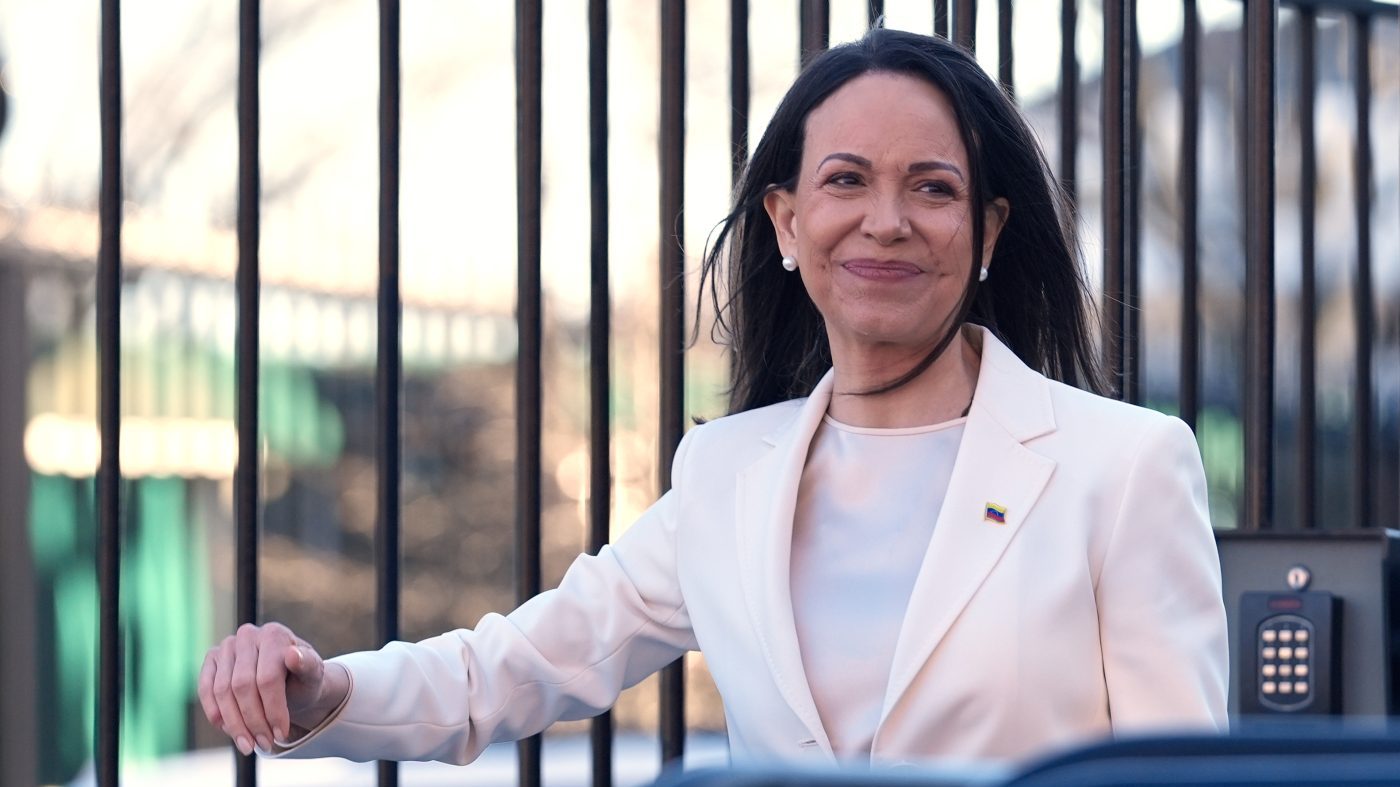
Venezuelan opposition figure María Corina Machado declared Saturday that she intends to re-enter Venezuela by the end of 2026 and launch another presidential campaign. Speaking at a gathering of opposition leaders in Panama City, Machado insisted the opposition remains dedicated to a democratic handover of power through elections that include both domestic and diaspora voters.
Her announcement comes four months after the Trump administration threw its weight behind Delcy Rodríguez, a loyalist of the ruling party and current vice president, following Nicolás Maduro's capture by U.S. forces in January. Machado had lobbied the White House for support and publicly praised the military intervention, but President Trump dismissed her as lacking political viability.
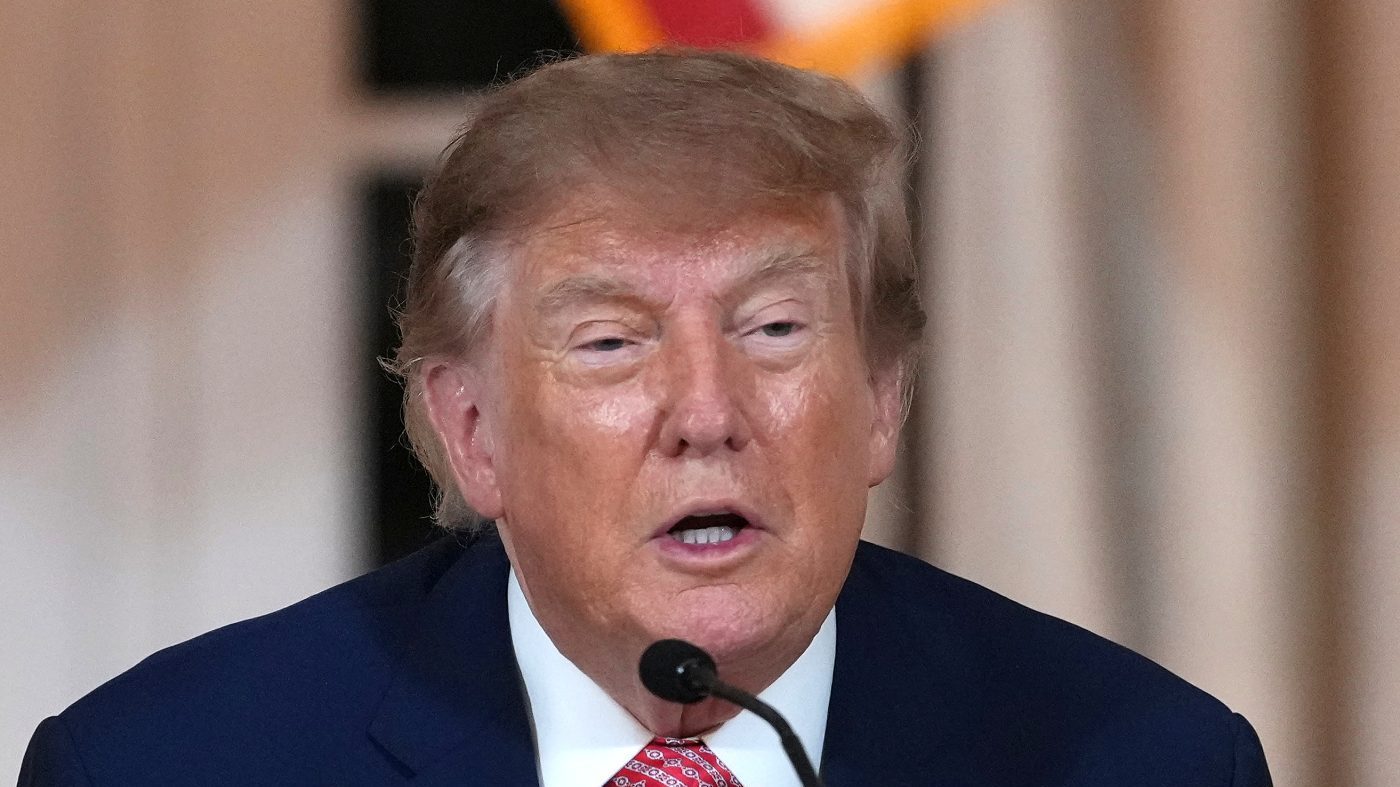
“She doesn’t have the support within or the respect within the country,” Trump said at a January press conference at Mar-a-Lago. The administration has since highlighted Rodríguez’s willingness to open Venezuela’s oil sector to foreign investment and pursue closer ties with Washington amid rising global energy demand.
Machado has also outlined plans to liberalize the oil industry. At the CERAWeek conference in Houston in March, she told executives Venezuela could quintuple crude output by overhauling regulations and transitioning to democratic governance. Her platform mirrors some of the administration’s energy priorities, but her political fortunes have waned as the White House pivots to Rodríguez.
Living in exile since 2023, Machado made her first public appearance in December when she traveled to Norway to accept a Nobel Peace Prize. She later met Trump at the White House and presented him with the award as a gesture of gratitude. However, that goodwill has not translated into U.S. backing for her candidacy.
Machado was Maduro’s most formidable opponent in recent years but was barred from the 2024 presidential ballot by the Venezuelan government. Under Venezuelan law, a presidential election must be held within 30 days if the leader becomes permanently unavailable, but no date has been set. The uncertainty has fueled speculation about the opposition’s next steps.
Meanwhile, the Trump administration’s embrace of Rodríguez signals a pragmatic shift, prioritizing energy access and regional stability over regime change. Machado’s return plan underscores the fractured state of Venezuela’s opposition, which now faces both a hostile government in Caracas and a U.S. administration that has chosen a different partner.
The internal dynamics of Venezuelan politics remain volatile. As the Trump era wanes, some conservative factions are rethinking their strategy, while others push for a revival of fusionism. The energy sector, a key battleground, could see state and local leaders play a role in shielding Americans from price spikes tied to global conflicts.