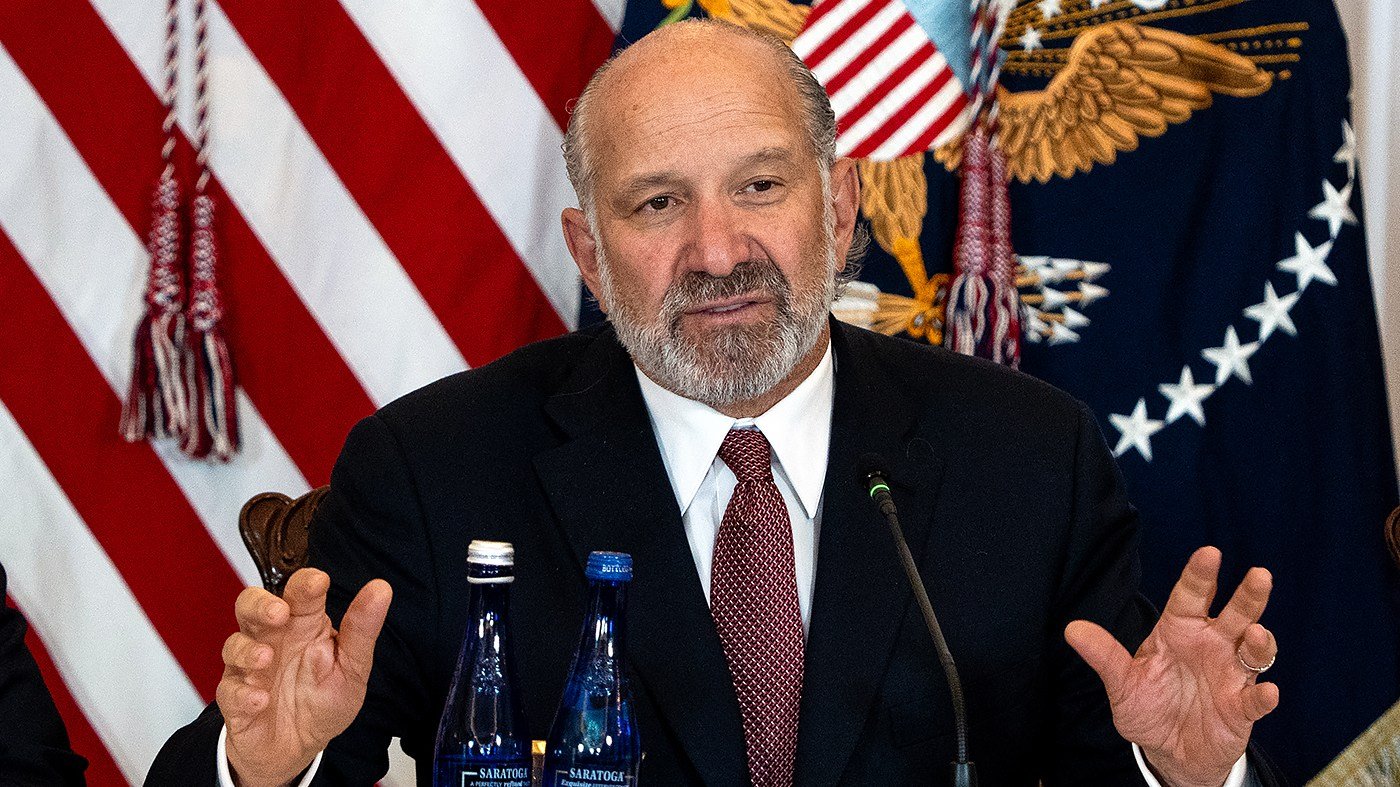
Commerce Secretary Howard Lutnick's eleventh-hour interventions derailed weeks of painstaking US-Canada trade negotiations, plunging the two neighbors into a full-blown trade war, according to multiple reports.
Negotiators on both sides had expressed optimism about a framework agreement reached last Tuesday, just ahead of the original Wednesday deadline. President Trump even took to Truth Social to announce a deal had been struck, pausing the threatened 50 percent tariffs on select Canadian goods until Friday to allow for final drafting.
But Lutnick, according to The New York Times, balked at Canadian proposals that would have set auto tariffs lower than he deemed acceptable. He insisted instead that only a limited volume of aluminum should receive reduced rates, and that heavy trucks should not benefit from the same tariff relief as passenger cars. This was a sticking point given that General Motors and Ford operate heavy truck plants in Ontario.
Canadian officials, as reported by Bloomberg, blamed Lutnick for moving the goalposts at the most critical moment. Some US business leaders, however, welcomed his demands, viewing the proposed deal as detrimental to American metals industries.
When asked on Saturday whether Lutnick's involvement in the final days had been an impediment, Canadian Prime Minister Mark Carney deflected, saying, "That's a question for the U.S. administration." He added that his team remained "unified," but notably remarked, "you cannot say that about the United States administration."
The talks formally collapsed on Friday, just hours before tariffs were set to take effect on a range of goods, including wine, hockey sticks, and cement. Canada immediately vowed to "match those tariffs dollar for dollar," targeting approximately $20 billion in US exports.
Since then, President Trump has escalated tensions further, threatening 50 percent tariffs on cars, trucks, auto parts, and steel effective New Year's Day. In a Truth Social post, he accused Canada of "ripping off the United States of America for years" and wrote, "They feel entitled, and yet, WE DON'T NEED CANADA, THEY NEED US! They do 95% of their business with the U.S., with us, the exact opposite!"
Canada has announced it will unveil its retaliatory tariff package on Tuesday, with effects slated for September 8. The escalating dispute has put border-state Republicans on the defensive, as trade tensions complicate midterm messaging. Meanwhile, Ontario Premier Doug Ford has threatened to cut power exports to the US, adding an energy dimension to the conflict. The feud has also taken on cultural overtones, with Trump and Carney clashing over the French language during negotiations.
As both sides brace for the next round of tariffs, the collapse of these talks marks a significant deterioration in US-Canada relations, with no immediate resolution in sight.