
Democrat Elaine Luria is projected to reclaim Virginia's 2nd Congressional District, defeating Republican incumbent Jen Kiggans in a rematch of their 2024 face-off, according to Decision Desk HQ. With 73 percent of votes counted by late Tuesday night, Luria held a six-point lead, a margin that proved insurmountable for Kiggans.
The victory marks a significant shift in a district that has been a bellwether for national politics. In the 2024 presidential race, Donald Trump carried the district by less than a point over Kamala Harris, but Virginia Governor Abigail Spanberger won it by eight points in 2025, underscoring its volatile nature.
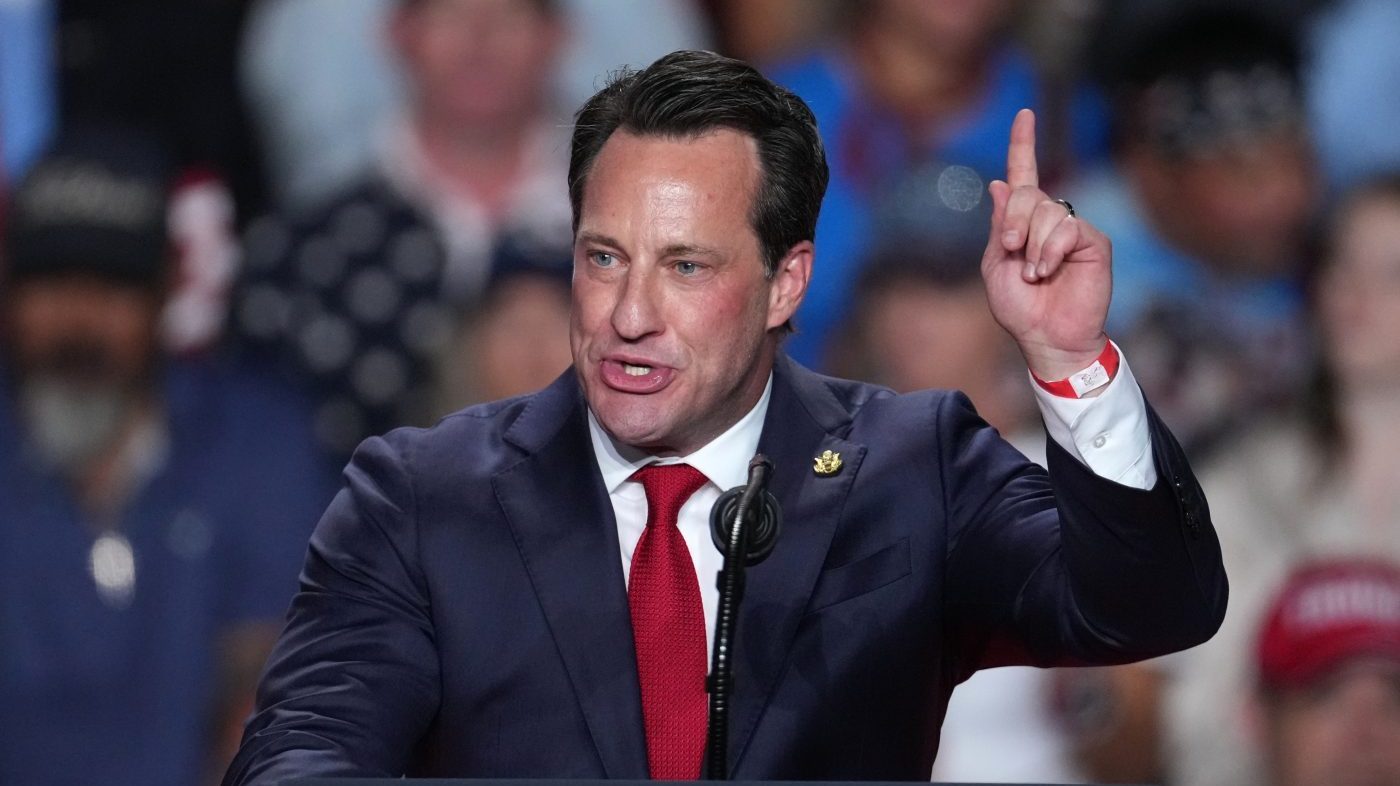
Luria, a former two-term representative and Navy veteran, campaigned heavily on her record of bipartisanship and her role as one of the original members of the House panel investigating the January 6, 2021, attack on the U.S. Capitol. She has been a vocal critic of President Trump, contrasting sharply with Kiggans, who supported key Trump initiatives including the Safeguard American Voter Eligibility (SAVE America) Act.
The race drew national attention as both parties poured resources into the district, which includes the Virginia Beach area and one of the largest military populations in the country. Luria's campaign outraised Kiggans, even in traditionally conservative pockets of the district, according to campaign finance reports.
Pre-election polling hinted at a tight contest. A Christopher Newport University survey released days before the election showed Luria leading Kiggans 46 percent to 43 percent among likely voters, with 10 percent undecided and 2 percent backing another candidate.
Both candidates are U.S. Navy veterans, and Luria also runs a small business. Their shared military background made the race a test of which message resonated more with service members and their families: Kiggans's alignment with Trump's agenda or Luria's emphasis on institutional integrity and defense priorities.
The outcome adds to a broader pattern in recent elections where suburban and military-heavy districts have shown willingness to split tickets. Luria's win, alongside Crowley's projected victory in Wisconsin's governor race, signals a possible shift in voter sentiment heading into the next cycle.
For Democrats, the flip is a morale boost, particularly after losses in other battlegrounds. For Republicans, it raises questions about the durability of Trump-aligned candidates in districts that are not deeply red. The race also underscores the importance of local issues, such as military readiness and coastal resilience, in shaping voter choices.
Luria's return to Congress is expected to bring her back to the forefront of national security debates, given her committee experience and her outspoken stance on executive overreach. Her victory may also embolden other Democrats in competitive districts to run on similar platforms of accountability and service.
As the dust settles, political analysts will dissect the factors that propelled Luria, from fundraising to grassroots organizing. But for now, the 2nd District has chosen a familiar face to represent its interests in Washington.